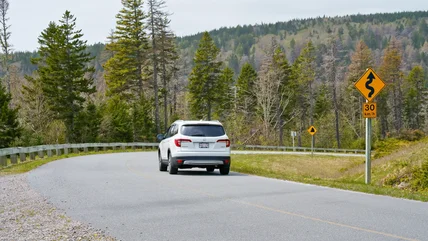
We are racing from Jamaica's international airport along the narrow Palisadoes peninsula, dancing in and out of traffic as Jeremy, my school friend, seems bent on getting somewhere fast in his 1970s VW van. I slip a question into his chain of phone calls: "It is mango season now, yes?"
"Yeah, man." Then without warning he swerves the van into the dirt and gravel at the side of the road near a cluster of vendor stands where the peninsula meets the main coastal road that leads west to Kingston. A Rastaman with rust-tinged locks chops open coconuts and peels sugar-cane stalks; one woman sells plastic bags full of freshly carved watermelons and pineapples while another woman sells mangoes. She has gigantic East Indian mangoes shaped like question marks. (They were one of the first mangoes to be imported to the island in the late 18th century.) She has oval-shaped Julies, more recently arrived. But there are no Bombays, and they are what I'm after.
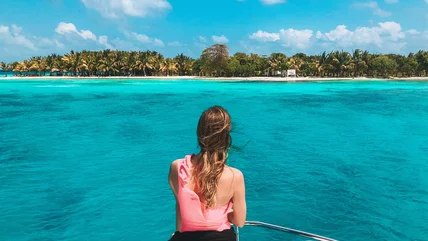
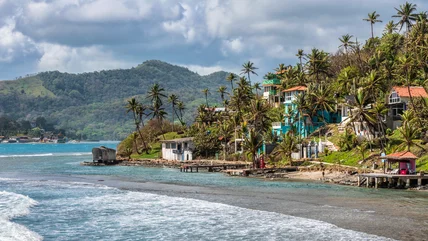
I discovered this mango many years ago in Port Antonio, a town on the northeast coast of Jamaica. Hungry, I spotted a mango tree along a coastal road. Seeing fruit among the foliage, I tossed a broken branch into the tree. Three mangoes fell. I sniffed the ripe fruit: tart, aromatic and acidic. I bit into the flesh. Oh, the pleasure the sheer pleasure of those juices bursting on my tongue! I sat on a stone, stared out at the Caribbean Sea in the pinking dusk of Port Antonio and feasted.
Now that I live in the United States, it is impossible to find a Bombay mango. That's why, when I return home to Jamaica, the journey can quickly become a mission to taste that fruit.
Jeremy likes missions. He is fired up by this one. We have to go to Papine, he says. Papine is a village tucked into the base of the looming Blue Mountains 90 minutes uphill from the south coast. We race through congested Kingston streets toward Papine. I worry that we won't find the fruit because it's early in the season, which peaks in June and July. But by now, after an hour-and-a-half car ride and several stops, I am in no state to give up or eat any other type of mango. I need the Bombay's sharp bite.
None of the Papine-market women have Bombays. As I drag myself out of the covered market, I see a young boy squatting over a newspaper on top of which are deep green, chunky fruits, each with one end bulbous and the other hooked into a nipple point. Their stems are still dripping with the transparent fluid of freshly picked fruit. Bombay! Bombay!
I buy four. They are warm from the sun. I bite into one and feel the rush of familiar, thick sweetness. I chew the skin. It is the only mango that I will eat whole, all of it but the seed. The juice drips down my hands, and I lick it off. I feel like a schoolboy again, sitting under a huge tree feasting on fruit after fruit until I am drunk with sweetness.
By the time we arrive at the Jamaica Pegasus Hotel in Kingston that evening, I have destroyed all but one of the mangoes. "That's why a man must never live too far from home," Jeremy says, laughing. I intend to save this last one to eat late at night while staring out at the lights of Kingston that stretch to the edge of the deep, purpling darkness of the Caribbean Sea.