The Laundry Item You Should Always Pack On Your Trip To A Beach Hotel
Doing laundry while on vacation seems like a tall task, but bringing this accessory in your luggage could provide myriad benefits when staying near a beach.
Read More
Doing laundry while on vacation seems like a tall task, but bringing this accessory in your luggage could provide myriad benefits when staying near a beach.
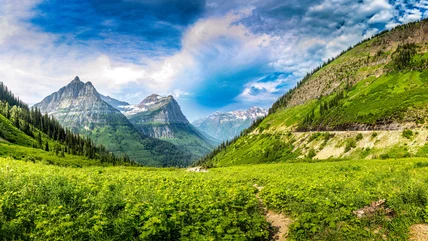
Read MoreHead over to Montana to explore one of the most beautiful national parks in the country. You'll be in awe as you traverse 1 million acres of stunning landscape.
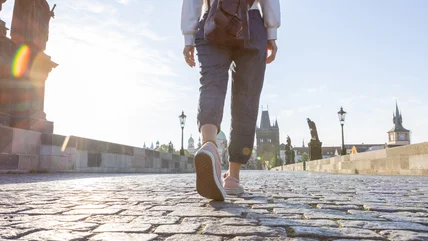
Read MoreWalking around is the best part of traveling, but it can take a toll on your feet. This tip from Samantha Brown will keep your feet sweat-free and stink-free.
Read MoreYou won't want to eat airplane food ever again after learning about the chances of getting food poisoning. Find out the mysteries behind that in-flight meal.
Read MoreHead over to Montana to explore one of the most beautiful national parks in the country. You'll be in awe as you traverse 1 million acres of stunning landscape.
Read MoreWalking around is the best part of traveling, but it can take a toll on your feet. This tip from Samantha Brown will keep your feet sweat-free and stink-free.
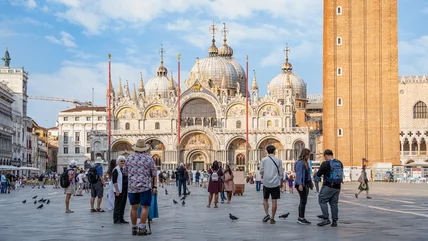
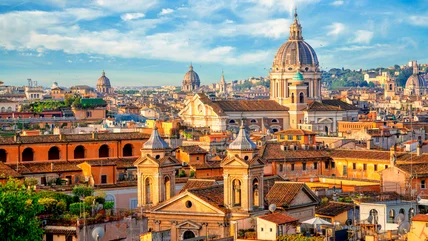
Read MoreItaly is a beautiful place to visit almost any time of year, but one season stands out when it comes to visiting scenic beaches or touring landmarks.
Read MoreEvery country has customs that you might not be aware of before visiting, but if you're heading to China, you probably shouldn't pack a specific accessory.
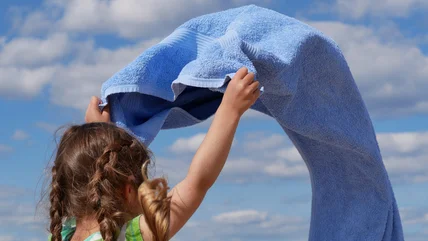
Read MoreThink shaking off your towel is the best way to deal with sand? Think again. Here's why you shouldn't give it a shake next time you hit the beach.
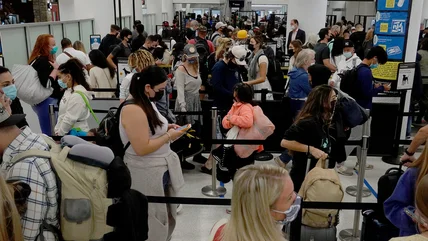
Read MoreImagine a future when going through a TSA screening is as simple as self-checkout at a store. This idea is already being tested in one western U.S. airport.
Read MoreItaly is full of beautiful cities and islands that are worthy of their own vacations, but visitors should always start in one place to get the most from it.
Read MoreEveryone wants to get through TSA as quickly as possible, and Clear is increasing in popularity among travelers. But is this process faster than others?
Read MoreThe southernmost town in the U.S. isn't in Florida or Texas. Instead, it's a stunning tropical destination that boasts some of the best beaches anywhere.
Read MoreTravelers have many factors to consider before booking a stay at an all-inclusive resort. One person's dream vacation could be another person's nightmare.
Read MoreA lot of travelers deal with anxiety on airplanes, and while there are different ways to alleviate it, one accessory will go a long way in helping.
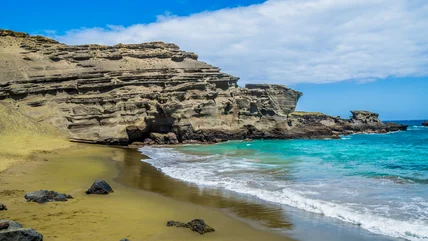
Read MoreKauai is so naturally beautiful that it was a perfect choice for a "Jurassic Park" filming location. Here's how to visit the most iconic spot on the island.
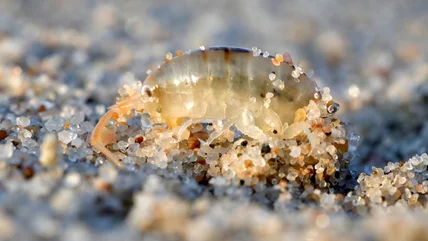
Read MoreSand fleas simply sound like a menace, but there's a lot you need to know about them, including what they can do, how bad it can be, and how to treat it.
Read MoreOn some airlines, special perks are few and far between, so anything you get might feel like a bonus. But one common courtesy comes with a red flag.
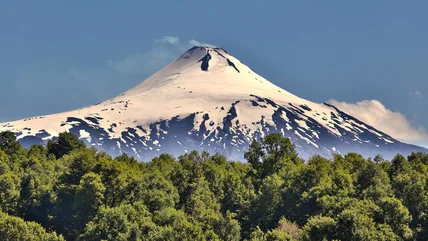
Read MoreAdventure awaits in Chile, which is home to so many naturally beautiful settings. And this national park stands out for its incredible hiking opportunities.
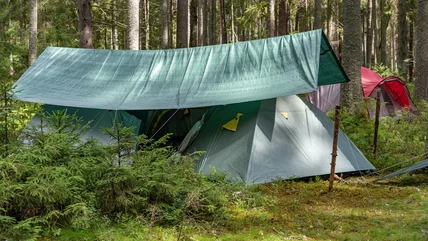
Read MoreBeing stuck in the pouring rain while camping can be stressful, but this very simple pool noodle trick will help save your canopy when it takes on water.
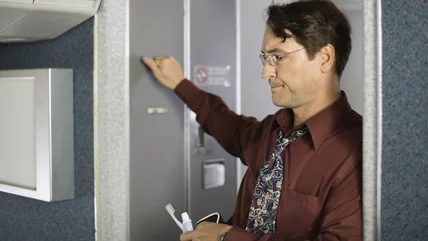
Read MoreAir travel is anything but clean, yet you still need to worry about your hygiene. Here's something thing to consider about brushing your teeth during flights.
Read MoreFrom extreme temperatures and sudden weather changes to deadly creatures, these parks around the globe pose many perils for even the most experienced travelers.
Read MoreAlaska is arguably the best U.S. state to visit when it comes to natural beauty and outdoor adventure, and this special island offers all that and then some.
Read MoreCaribbean beaches are often as crowded as they are beautiful, but one popular island is also home to a national park with stunning, empty stretches of sand.
Read MoreThe dilemma with relying on digital devices for traveling is when you have no cell service or Wi-Fi, but there's an easy way to always have your boarding pass.
Read MoreThe Bahamas has its share of beautiful beaches, but the least visited island in the entire region offers immense natural beauty with none of the crowds.
Read MoreOnly a few hours from the Grand Canyon is a little-known national park in Arizona, where you'll see colorful desert landscapes and unique fossilized trees.
Read MoreYou'll always want to wear sunscreen in the ocean and by the pool, but on the airplane? Here's why you should definitely apply it before flying.
Read MoreLand, water, and sky: Visitors have multiple options for immersing themselves in nature at an out of the way national park in the Southern United States.
Read MoreThere's absolutely no need to load up the luggage with these common travel items, as almost all of them are going to be available at your destination.
Read MoreMost Caribbean islands offer an element of adventure mixed with natural beauty, but this hidden gem destination has a reputation for action-packed vacations.
Read MoreTurbulence can ratchet up anyone's anxiety, especially someone who has a general fear of flying. Regain a sense of control with this simple but effective app.
Read MoreRVs are an amazing way to travel, but the limited space can be tough. If you struggle to fit your toiletries in a tiny RV bathroom, we have some tips for you.
Read More