Newsletter Sign-up

Find vacation packages, news, contests & more in our free newsletter!
Close

Member Login

Logging In
Invalid username or password.
Incorrect Login. Please try again.

Not a member? Register Now!

Signing up helps us keep offensive content off of our site. Take a moment to register or click here to learn more about our privacy policy.

Destinations / Cayman Brac

Cayman Brac

Overview

Collapse

Cayman Brac is just about the same size as Manhattan (2 miles wide, 12 miles long), but the skyline that gives this Caribbean its name is natural: a sheer limestone bluff (brac in Gaelic) that runs the center of the island and sets it apart from its low-lying sister isles, Grand Cayman and Little Cayman.


Fewer than 2,000 residents make their home on "The Brac," and like its sister isles, the island is best known as a destination for divers who really want to put in some bottom time. Wall and reef dives abound, along with the wreck of a Russian destroyer (renamed the M.V. Captain Keith Tibbets after a popular Brac resident when it was purposely sunk as an artificial reef in 1996). And for those wanting more, the world-famous walls of Little Cayman are a short (5-mile) boat ride away.


Topside, nearly 200 bird species frequent the island (expect to see more than 50 different species during seasonal migrations from November through March), including the colorful Cayman Brac parrot. Diving and birding aside, the main activity here is, well ... inactivity. Beaches are limited, and a day of slow sightseeing by car (coastal blowholes, a small museum, and a lighthouse atop the bluff at the east end of the island) will cover the scenic highlights. But for quiet days at low-key resorts, punctuated by periodic pit-stops at open-air bars and restaurants, it's a throwback to a less-developed West Indies.

Experience Cayman Brac: Virtual Destination Tour

Plan your trip

Collapse

DIVING

If you've ever wanted to swim up to a school of large tarpon, there are few better places than Tarpon Reef off the southern shore. Along a reef with myriad corals, a series of sand gullies and ridges pockmarked with tunnels and swimthroughs in fairly shallow (20 to 50 feet) water is home to several clusters of the silver-scaled fish that reach up to 5 feet long - and the tarpon tend to ignore divers when approached slowly. Bring your camera.

FISHING

Bonefishing here doesn't quite match that found in the shallow water flats of nearby Little Cayman, but it's good - and a good guide should be able to put you on fish in the 2- to 4-pound range. Looking for bigger fish to fry? Head offshore on a charter boat for wahoo (winter), mahi-mahi and yellow fin tuna (spring), and blue marlin (year-round).

HIKING

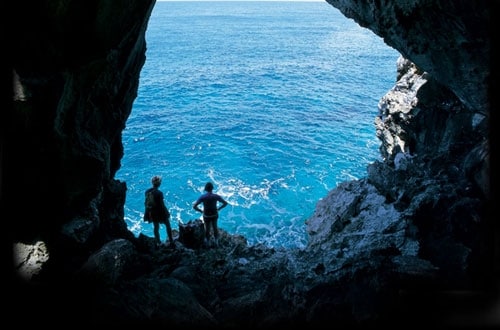
Well-marked trails lacing the island range from easy strolls to a series of caves on the southern shoreline to 2 miles of nature trails through a reserve set aside for the rare Cayman parrot on the island's bluff. (The reserve is also home to some 150 other bird species.) Bring a pair of sturdy hiking boots, because the limestone on the bluff is rugged - and the panoramic views of the sea from the edge of the bluff, which reaches an elevation of 140 feet, is well worth a little exercise. And for the adventurous, the sheer limestone bluffs have become a favorite with rock climbers.

image-

Digital Edition Subscriptions

  • iPad
  • Kindle
  • Nook
  • Google Play
  • Zinio