
California's Abandoned Military Fort Is Now A Coastal State Park For Camping, Fishing, And Birding
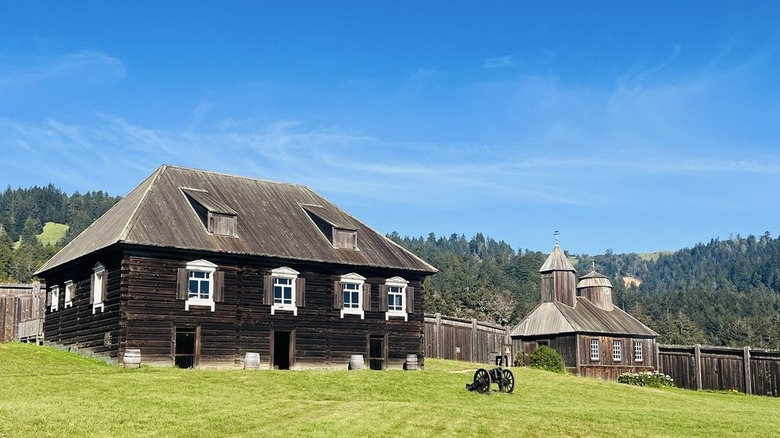
If you've studied American history, you should be well-acquainted with California's past as a gold rush epicenter in 1848, attracting glittery-eyed hopefuls to Sutter's Mill. What you may not realize is that decades prior, fur trading was another hubbub of activity about 3.5 hours west of the mill that drew a surprising kind of settler to these parts: Russians. Founded in 1812, Fort Ross was a former Russian fur trading outpost along the North Pacific, considered the southernmost settlement in Russia's eastward colonization of America.
This vestige of the past is now called Fort Ross State Historic Park, a sprawling attraction along the peaceful Sonoma Coast. Across its 3,400 acres, visitors can take in scenic ocean and redwood forest views, explore the compound, and enjoy a wealth of recreational activities, including fishing, diving, and birding.
Lest you're wondering, the Russians have long departed the fort. In the mid-1700s, however, Russian entrepreneurs were on the hunt for seal and otter pelts, making their way to what is now the Bering Strait and laying claim to Alaska. The Russian-American Co. operated out of Fort Ross from 1812 to 1841. Russians, Alaskans, and indigenous tribes lived behind stockade walls, supporting their brethren in Alaska by farming wheat, hunting marine mammals, and trading with the Spanish. They slept in barracks in their self-contained colony equipped with a well for water, artisan workshops, a chapel, and two blockhouses fortified with cannons for protection. Their time here wasn't in vain: Russians contributed to the state's scientific and business acumen with their studies of local flora and fauna, and the development of the shipbuilding industry. Wine lovers can also thank the Russians for planting the first Sonoma Valley grapes.
Explore Fort Ross State Historic Park
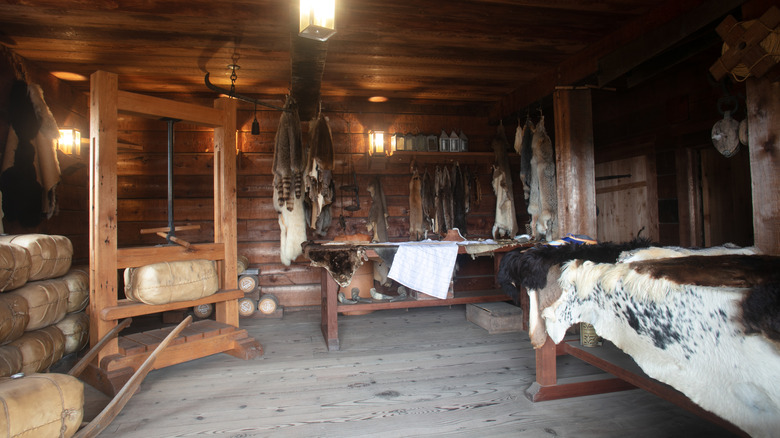
Eventually, the depletion of marine mammals helped spur the sale of Fort Ross to none other than John Sutter for a time. It then became a ranching community before the state of California purchased the site in 1906.
Today, visitors can experience this frontier life by touring structures (including the last original building, the Rotchev house built in 1836 for the former fort manager), perusing the visitor center's museum and interactive exhibits, and roaming the coastal trails and Russian cemetery, where 131 people are buried. Docents lead the $15 tours and come highly recommended by past visitors. Pack a lunch to enjoy at the park's picnic tables or hike down to Sandy Cove Beach. With a 4.8 rating on Google Reviews, visitors praise how well-maintained the site is. That could be because a Russian billionaire endowed it with a foundation in 2010,
Vehicle entrance fees are $10. You can get here in 2.5 hours from San Francisco. It's also about 45 minutes north of Bodega Bay, a quaint fishing village along the Sonoma Coast. Tourists planning to linger in the area can stay at Fort Ross Lodge, just a couple of miles to the north. Camping in prime real estate feels like a steal at nearby Reef Campground, which is open part of the year. This tent-only site doesn't accept reservations so its 20 campsites are first-come, first-served. There are fewer amenities here than in other campgrounds, with just chemical toilets and drinking water for purchase at the visitor center, but the location's proximity to the fort and ocean is a draw.
Fishing and birdwatching at Fort Ross
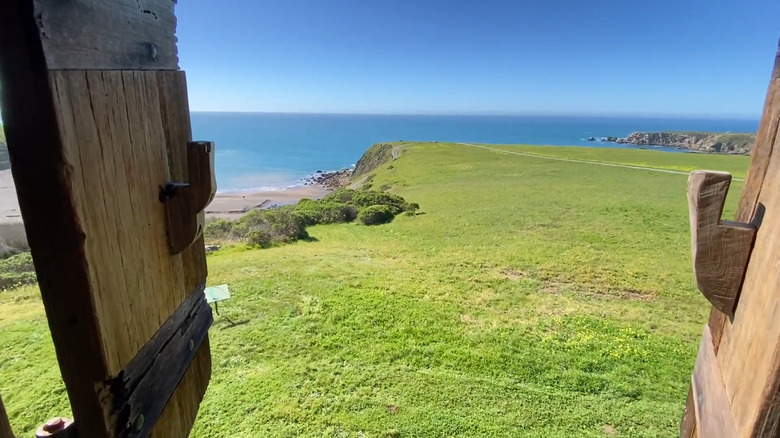
Educational insights are just part of Fort Ross' allure. Anglers with a valid license can fish for rockfish and lingcod from the Sandy Cove shore or take a paddle or pedal kayak out into the water. A bit more elusive to reel in are the leopard sharks or cabezons. Scuba diving is also a popular pastime, especially in years back for abalone collectors. But California officials have recently extended a current ban on red abalone harvesting until 2036 because of its precipitous decline over the years. Divers can instead hunt underwater for the remnants of the SS Pomona shipwreck, an iron-hulled steamer that ran aground in 1908 and rests off Fort Ross Cove's point.
With ocean views on one side and the lush terrain of forests on the other, Fort Ross makes a prime habitat for a variety of species, and you may catch a glimpse of grey foxes, mountain lions, and bobcats. Another favorite hobby here is birdwatching for osprey, doves, and quails. Herons, meanwhile, may wade by the shore, patiently waiting for their chance to strike.
There's a chance you won't even recognize some of the winged creatures since more than 170 bird species have been spotted at Fort Ross. More bird sightings are possible along the Stillwater Cove Regional Park's Bluff Trail, a short 5-mile drive north of the fort. The easy, 1.4-mile walk follows the rocky coastline with views of critters resting on ocean rocks. Just be aware of blacklegged ticks, something to avoid with these clever hiking tips.