
Two Hours Away From Plymouth Is A Scenic Peninsula With Gorgeous Beaches, Quiet Vibes, And Rare Natural Beauty
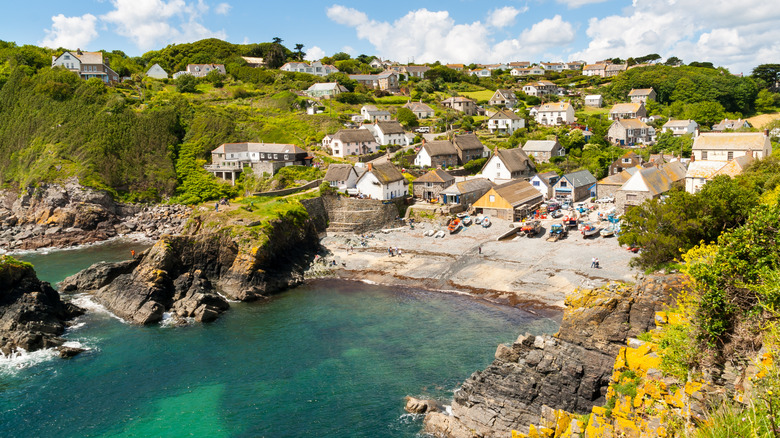
Characterized by quaint fishing villages, colorful heathland, and dreamy beaches, the picturesque Lizard Peninsula has all the elements you need for a quintessential Cornish vacation. Wild and remote, it's the southernmost point of the British mainland. Visitors go there for clifftop walks and to swim in secluded coves surrounded by nature. I'm a regular visitor, because I think the Lizard Peninsula is one of the quietest and most beautiful parts of Cornwall. Below, I'll reveal some of the area's most attractive spots, to help you plan your own stay.
The scenic landscapes in this part of Cornwall have long been the inspiration for writers and artists. In 1941, Daphne du Maurier based her "Frenchman's Creek" novel on the serene Helford river, while in the 1860s, artist William Holman Hunt painted the Lizard during a visit with the poet Alfred, Lord Tennyson. Today, the terrain continues to impress, with visitors on Tripadvisor praising the "beautiful, rugged scenery, with dramatic cliffs and coastal walks" and "breathtaking coastline and sandy coves."
The Lizard Peninsula is quieter than the county's busier destinations such as St. Ives or Newquay, with visitors on Tripadvisor suggesting that "it would be difficult to find anywhere else in Cornwall so beautiful and peaceful." Indeed, the peninsula's heathland moors and dramatic coastline "lead to a strong sense of place and sense of tranquility," per Natural England, making it a great place for a nature escape. Settlements are small and spread out across the peninsula, adding to the quiet feel.
Beautiful beaches and traditional fishing villages
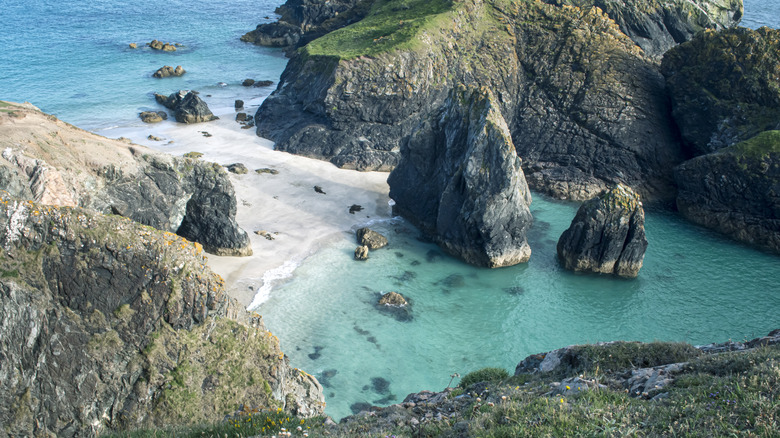
Kynance Cove is easily home to the Lizard's most well known beach, and probably the busiest, too. Popular since Victorian times, this idyllic west coast cove has had many famous visitors, including Queen Victoria and Prince Albert. Today, it's a hit with Tripadvisor users who report "you could mistake it for being abroad; the sea was that gorgeous in color." Surrounded by unusual serpentine rock formations, the cove has plenty of scenic appeal. At low tide you can explore caves and enjoy a dip in Mermaid Pool — one of my favorite spots for a wild swim in Cornwall. Remember to check the tide times before you visit, to ensure you don't get cut off. There's a café and parking lot with two short trails leading down to the beach as well.
If Kynance Cove is crowded, I suggest you head 12 miles north to Gunwalloe Church Cove instead, which is home to a small, sandy beach and one of Cornwall's oldest churches. A visitor on Tripadvisor says the sand is "perfect for sandcastles" and the sea "crystal clear, shallow for a long way out." Meanwhile, over on the east of the Lizard Peninsula, Kennack Sands is a "beautiful, clean bay with lots to explore at low tide" per another Tripadvisor review. It's popular with surfers, too, thanks to its gently sloping shore and large waves.
After hitting the beach, there are several fishing settlements to discover, each with their own character. The picturesque village of Coverack has a historic harbor and sheltered bay, while thatched cottages and colorful crabbing boats give Cadgwith Cove a timeless vibe. Try the crab soup at The Old Cellars in Cadgwith — it's the best I've ever tasted. Farther north, Mullion is the Lizard's largest village, with guest houses, restaurants, and a tiny cove, making it a convenient base.
Rare plants and rugged coastal hikes
Beyond the beaches, the Lizard Peninsula is known for its natural beauty and rare plant species. Per the Joint Nature Conservation Committee, the peninsula is "one of the richest botanical areas in the U.K." due to its impressive biodiversity and unusual ecology. As such, the Lizard is a designated Special Area of Conservation, with 12 Sites of Special Scientific Interest.
There are more than 250 plant and animal species on the Lizard, with the heathland plateau and rocky coast being home to almost 75 rare, flowering plants. Many of these are on the international red list of threatened species. Found only on the Lizard Peninsula's moors, the rare Cornish heath is the county flower of Cornwall. You'll see the pink flowers in bloom across the plateau at the end of summer. The heathlands are also home to rare species such as fringed rupturewort, which is mainly seen along clifftops, as well as long-headed clover, which grows in the peninsula's grasslands.
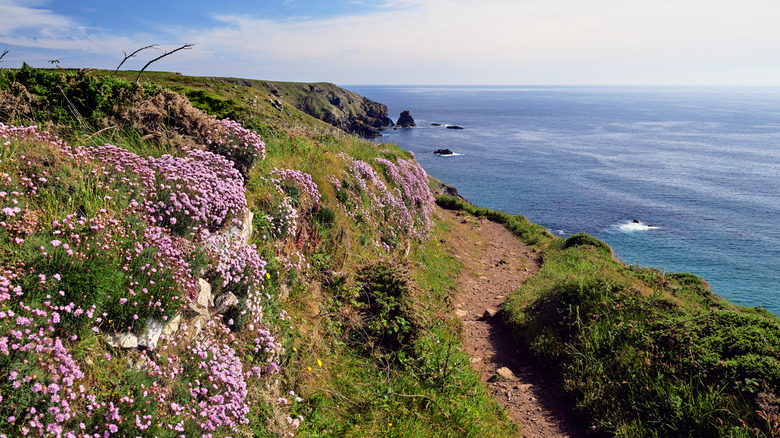
Some of these rare plants can be spotted during hikes around the peninsula, so keep your eyes peeled when you're out and about. My favorite walk begins at Lizard Point lighthouse and heads west along the clifftops, up to Kynance Cove. The scenery on this stretch of the coast is dramatic, with steep, rocky crags and hidden bays, giving it a wilderness feel. Go in spring to see wildflowers blooming beside the path, or summer if you want to admire the Cornish heath flowering across the moorland. A 4.4-mile circular route south of Lizard village takes in Lizard Point, then follows the coast north to Kynance Beach, so you can enjoy a swim and a picnic before returning to the village.
For more coastal Cornish adventures, head to Mousehole, which has quaint shops and sandy beaches. The pretty village can be combined with a visit to the artsy paradise of Penzance, a 45-minute drive north, or visit the charming fishing village of Mevagissey near St. Austell, which is about an hour and 20 minutes' drive away. Plymouth is another hour and 20 minutes' drive beyond that.