
Atlanta's Historic Neighborhood Has Walkable Streets And A Lively Market Full Of Unique Shops
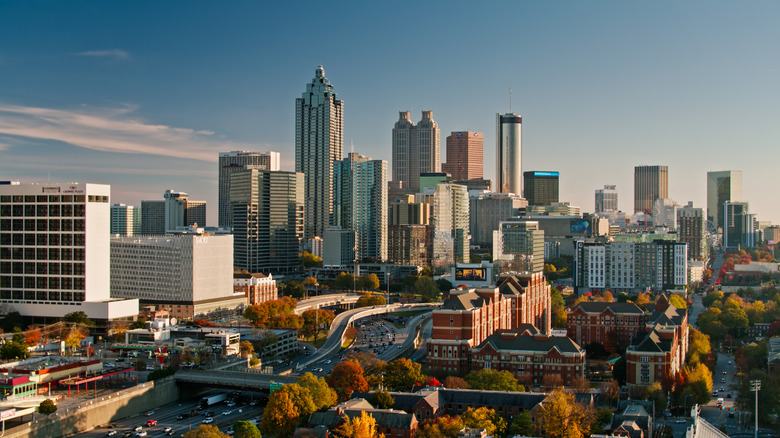
When a neighborhood has its own nickname, you know it's a storied place — and that's exactly what Atlanta's Old Fourth Ward is, affectionately known as O4W. One of the city's most historically significant neighborhoods, the Old Fourth Ward was a post-Civil War era epicenter of free Black life, business, and activism. It's also the birthplace and childhood home of Dr. Martin Luther King Jr., whose legacy is preserved at the Martin Luther King Jr. National Historic Site. Today, the neighborhood is known for its walkability, cultural energy, abundant green space, and mix of historic character and modern development.
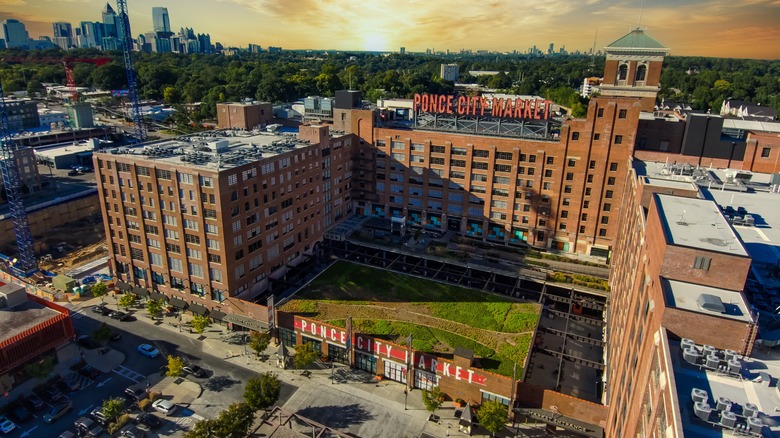
For the first half of the 20th century, the area remained a working-class neighborhood with a strong sense of spirituality and community. In the 1960s and '70s, however, O4W experienced disinvestment and decline. The large-scale development and revitalization beginning in the early 2000s — particularly the installation of the Atlanta BeltLine, a network of urban trails connecting various Atlanta neighborhoods – helped restore the Old Fourth Ward and transform it into a revitalized urban destination. In addition to the MLK Jr. home and Ebenezer Baptist Church, landmark attractions include the sprawling and vibrant Ponce City Market, the 17-acre Historic Fourth Ward Park, and the BeltLine's Eastside Trail, which is lined with street art, local bars, food halls, restaurants, shops, and entertainment venues.
At the same time, these changes have not come without challenges. Gentrification has been a double-edged sword: While revitalization has brought new energy to the Old Fourth Ward, it has also contributed to rising housing costs, displacement of some longtime residents, and shifts in the neighborhood's demographics. Visitors need not shy away from exploring the area, but experiencing the Old Fourth Ward fully means being mindful of its deep history, identity, and ongoing transformation.
Activities and eats in Old Fourth Ward Park
Old Fourth Ward ranks among Atlanta's most pedestrian-friendly neighborhoods, earning a Walk Score of 82, meaning many everyday needs are within walking distance. The neighborhood begins just east of downtown's Peachtree Street, with Piedmont Avenue and Freedom Parkway generally considered the western boundary. It extends north toward Ponce de Leon Avenue, south along Decatur Street toward Oakland Cemetery, and east to the Atlanta BeltLine Eastside Trail, adjacent to the vibrant, historic neighborhoods of Poncey-Highland and Inman Park. You can take MARTA's Red or Gold Line to the North Avenue station, about 1.5 miles from the heart of the O4W and 11 miles from the Hartsfield-Jackson Atlanta International Airport.
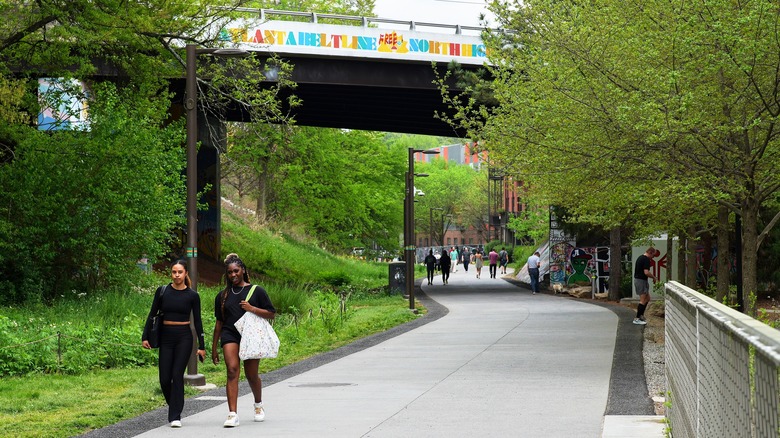
The Atlanta Beltline has been a major catalyst for walkable living in the neighborhood. The Eastside Trail segment through O4W, which opened in 2011, connects pedestrians and cyclists to parks, food halls, shops, and public art. The Historic Fourth Ward Park sits along this trail and features a beautifully landscaped stormwater retention lake with walking paths, a playground, fountains, an outdoor amphitheatre, and a splash pad. Nearby is Thomas Taylor Memorial Skatepark, a Tony Hawk-funded community hub with world-class skate park elements and open fields that link directly to the BeltLine.
Across from the park sits Ponce City Market, a major shopping and dining hub with a mix of national retailers and independent boutiques, including Modern Mystic Shop, which sells "metaphysical goods," and Citizen Supply, which offers a wide range of local artisan products. A rooftop cocktail bar called 12 and Skyline Park, an arcade with carnival-style games, offer spectacular skyline views and plenty to do. "Love this market, there is so much to do. Rustic atmosphere, industrial vibe," said one Tripadvisor reviewer. "Interesting food vendors and a couple unique shops," wrote another.
Historic sites and markets in the Old Fourth Ward
On the edge of the Old Fourth Ward sits the Sweet Auburn Historic District, once a thriving commercial vein of Black-owned businesses and entertainment, even before the Civil Rights Movement, representing Black wealth and success that was unequaled across the country. Today, you can stroll down Auburn Avenue ("Sweet Auburn") – past the eclectic mix of shotgun houses, century-old bungalows, lofts, and modern homes — and shop at local, independent businesses that reflect the area's cultural and historic roots. From bookstores and boutiques to bakeries and murals, Sweet Auburn is worth exploring. The Municipal Market, originally known as the Sweet Auburn Curb Market because Black shoppers were only permitted to shop at the curb, has remained an artisanal and historic grocery market since 1918, offering produce, baked goods, and specialty items from a variety of local vendors.
Still highly walkable, O4W's Sweet Auburn emphasizes cultural preservation and local entrepreneurship, and features fewer big-name stores than Ponce City Market. Notable shops include For Keeps Books, which specializes in African-American literature and literary merchandise, and The Peach Cobbler Factory, which serves fresh desserts. The district also boasts significant historic sites: In addition to MLK's home (the Park Visitor Center is closed temporarily for renovations, as of this writing), you can visit the APEX Museum for more about the area's Black history, life, and culture; the Auburn Avenue Research Library, home to rich archival research; and the Madam C.J. Walker Museum, showcasing Black entrepreneurship. Beyond Sweet Auburn and Ponce City Market, O4W Market and Krog Street Market also offer artisanal food options, local retail, and hangout spaces along or near the BeltLine corridor. Together, they make Old Fourth Ward a uniquely rich — and walkable — corner of Atlanta.