
This Untouched Stretch Of California's Sonoma Coast Is Finally Open To The Public In 2026
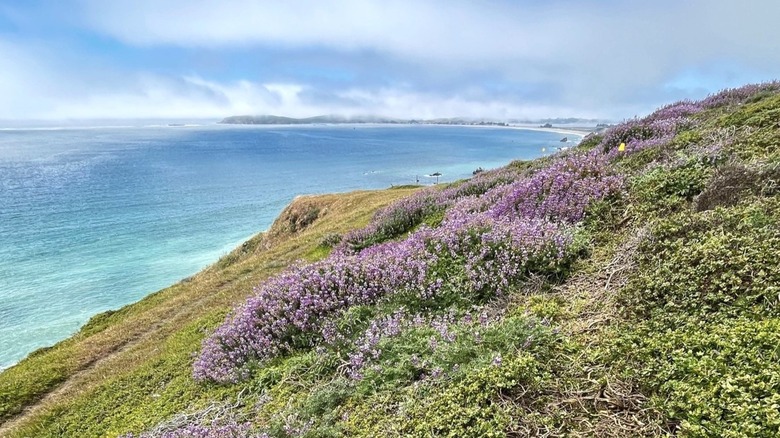
For 100 years, 547 acres of ecologically vibrant coastal prairie land on the border of California's Sonoma and Marin counties has been in private hands, inaccessible to the general public. But thanks to the work of a coalition of conservation groups — including The Wildlands Conservancy, which owns and operates the land — the former ranch is now a free-to-enter, open-to-the-public nature zone known as the Estero Americano Coast Preserve. Hikers are now permitted to crest grassy terraces overlooking the Pacific Ocean and the broad Estero Americano Estuary along a five-mile network of newly established trails.
The views speak for themselves, but take a closer look, and you'll see the intricate parts of this integrated marine and terrestrial ecosystem at play. Along the estuary are tidal marshes and mudflats, as well as eelgrass beds, flowing underwater grasslands providing shelter to marine creatures and helping control coastal erosion. According to the Sonoma Land Trust, this is one of the most biologically dynamic areas on the NorCal coastline. Waterfowl, migratory birds, sea otters, deer, bobcats, California red-legged frog, and many species of fish make their homes here.
The Trust created a Herbarium Book back in 2011, which you can download online, detailing the plant species found in the preserve. From the oatgrasses and needlegrasses that swarm the rolling hills to pretty wildflowers like purple irises and harlequin lotuses, there's plenty to admire across the seasons. You can explore the preserve on foot or from the waters of the estuary, which go all the way to Valley Ford in Marin County. The Sonoma Coast is one of California's most peaceful destinations, so however you choose to explore, do it at a leisurely pace.
Exploring the Estero Americano Coast Preserve
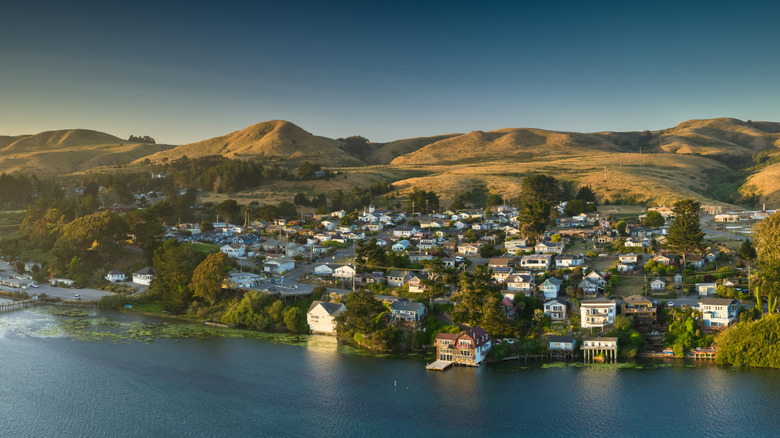
The Wildlands Conservancy has created a rough downloadable trail map that you can use to plot your route through the preserve. Park at Pinnacle Gulch and enter through the Shorttail Gulch Trailhead. A mile-long access trail then takes you to the two main hiking routes: the easier Bluff Trail, skirting along the bluffs and descending towards a beach, or the slightly more challenging Ridge Trail. The latter is a two-mile loop in the preserve with a 400-foot elevation gain, offering unparalleled views of the estuary. From up on the ridge, the preserve takes on the appearance of a fjord, and on a clear day, you can see all the way out to the Farallon Islands, a remote and dangerous archipelago off California's Coast. The immense scenery puts into perspective the Wildlands Conservancy motto: "Behold the Beauty."
The preserve serves as a rest point for kayakers coming from Valley Ford, a small town several miles upstream. After winding through the wildflower-covered bluffs, they can park up on the sandbar and treat themselves to lunch before making the return journey. Luke Farmer, Wildlands Conservancy's Sonoma Coast regional director, told the San Francisco Chronicle the estuary will have a more formal landing spot for kayakers in the years ahead.
The preserve is about 90 minutes north of San Francisco by car, making it a viable day trip from anywhere in the Bay Area. Alternatively, you could use Bodega Bay, a quaint fishing village full of trails and fresh seafood, as your base for exploring the prairies and estuary. For a night of luxury, stay at The Lodge at Bodega Bay. Surrounded by vineyards and overlooking the sun-dappled Sonoma Coast, it was voted the world's best hotel in 2025 in CN Traveler's Reader's Choice Awards.