
Between Milwaukee And Madison Is Wisconsin's Wild Haven For Trail-Free Hiking, Paddling, And Birding
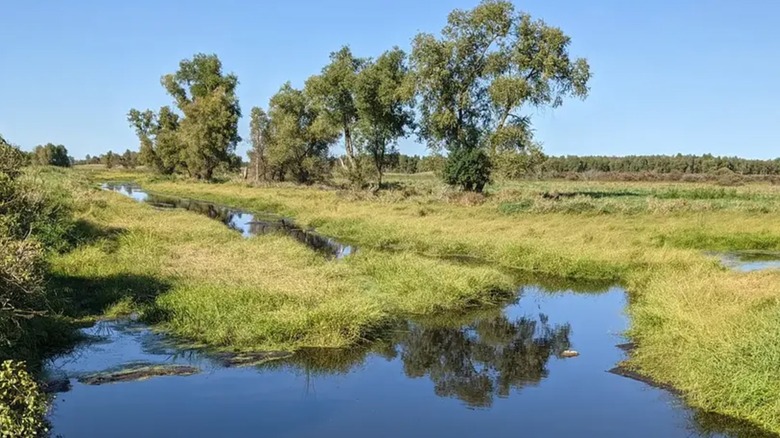
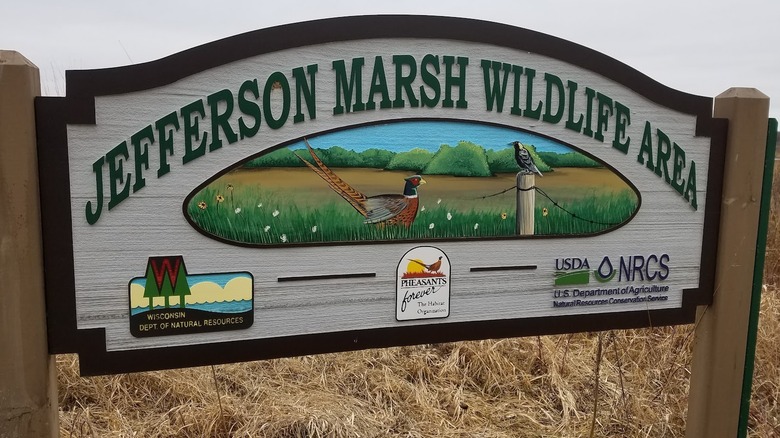
The Midwest is full of opportunities for outdoor adventure, from the Great Lakes to the many state parks. Between Milwaukee and Madison, you'll find a Wisconsin wild haven offering trail-free hiking, paddling, birding, fishing, foraging, and wildlife viewing: the Jefferson Marsh Wildlife Area. Along with outdoor activities, it also includes one of the largest Native American mounds in the state, a site of historic interest.
Stretching 3,000 acres, the Jefferson Marsh Wildlife Area covers several types of landscapes, including an open water marsh. It also contains the 900-acre Jefferson Tamarack Swamp State Natural Area, the largest forested wetland in the county and one of the biggest in southeastern Wisconsin, consisting of a large tamarack bog.
The Jefferson Marsh Wildlife Area is just east of the city of Jefferson in Jefferson County, about an hour's drive from both Madison and Milwaukee. For overnight visitors, the small city offers two chain hotels, a Best Western Plus and an AmericInn.
Exploring the Jefferson Marsh Wildlife Area
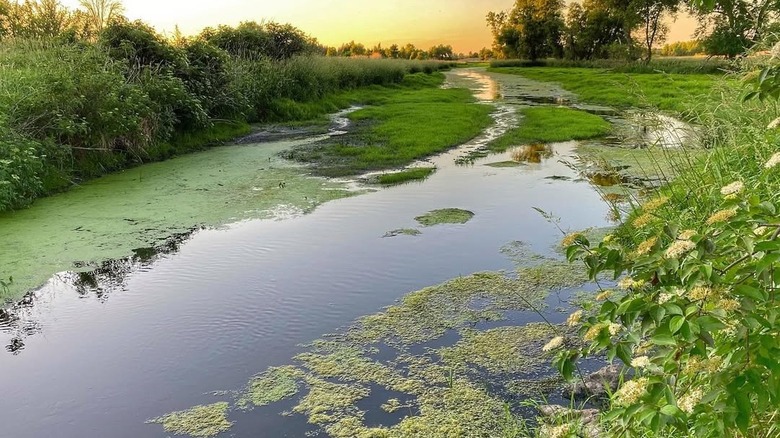
Jefferson, Wisconsin, is an affordable Wisconsin city with tasty bites and quaint shops. And just over 1 mile east of the city, you'll find the extensive wild area that is Jefferson Marsh. The undeveloped land is a haven for outdoor adventurers, offering many different activities. First among them is trail-free hiking. There are no designated hiking trails, but visitors are encouraged to explore on foot, often starting from the access roads. As Discover Wisconsin puts it, "With no set trails, it only adds to the great adventure ahead."
Along with hiking, visitors can explore the area via canoe. Deer Creek passes through the area, making it an attractive spot for paddlers, though they may encounter reeds and grass in the marshy areas. One visitor on Facebook writes, "This was a great paddle and is highly recommended."
Additionally, the large wildlife area and the fact that it includes multiple types of land and habitats make this area ideal for bird-watching and fauna-viewing. Jefferson Marsh has been a birding hotspot since the 1800s, according to the Great Wisconsin Birding & Nature Trail. The area's signature species include the eastern wood-pewee, the marsh wren, and the sora rail, and rare species, including the forester's tern and the cerulean warbler, can sometimes be seen as well. Depending on the time of year you visit, you might also spot great blue herons, pheasants, and great egrets.
Jefferson Marsh Wildlife Area's Native American mound
Jefferson Marsh Wildlife Area includes one of the state's largest Native American mounds. The state of Wisconsin contains around 4,000 carefully constructed mounds, often used for burials. There used to be up to 20,000 such mounds, but the majority have since been destroyed. Today, many of the remaining mounds have been preserved in spots such as Aztalan State Park, which contains Wisconsin's most important archaeological site – and Jefferson Marsh.
The Jefferson Tamarack Swamp Mound stretches several hundred feet and is located on a 10-acre island in the Tamarack Swamp section of the Jefferson Marsh Wildlife Area. Unlike most of the rest of the park, the island is difficult for visitors to access without special equipment — either rubber boots and waders or a kayak. (One of the best inflatable kayaks might work well, too.) Some visitors recommend going in the colder weather, when the marsh is easier to walk on.
While visiting the mound requires planning and special gear, much of the marsh area is easy to traverse on foot any time of year. You can even walk your dog there. It's easy to see why state officials have called the area a "jewel."