
Between Houston And New Orleans Is A Scenic Wildlife Refuge For Fishing, Birding, And Boating
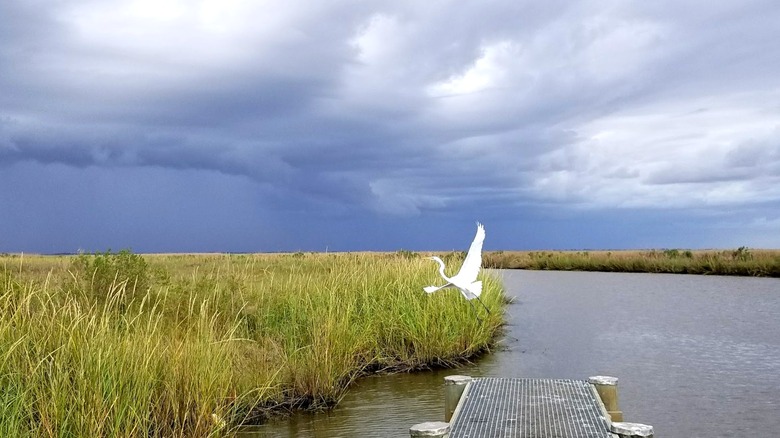
The drive between Houston and New Orleans takes about 5.5 hours, if you stick to the main interstates (I-10 and I-45). But a slightly longer and more picturesque route takes you along the Gulf of Mexico (renamed the Gulf of America in 2025 by U.S. President Donald Trump), passing through various wildlife refuges that preserve beautiful bayou ecosystems in Louisiana's southernmost reaches. Not all of these are worth visiting, but if you're passing through or staying nearby, Rockefeller State Wildlife Refuge might be worth the time.
Rockefeller is located just off the Grand Chenier Highway, a section of the 180-mile Creole Nature Trail through "one of America's last great wildernesses." This particular stretch, including the 4-mile Price Lake Road that passes through the refuge, is full of coastal marshland that's crucial for environmental conservation. Rockefeller now comprises about 76,000 acres of marsh (around 10,000 acres have eroded away over the last century), creating a home for alligators, muskrat, otters, raccoons, numerous fish, and various migratory and wading birds.
There isn't a dedicated visitor area at Rockefeller Wildlife Refuge, per se. Instead, you have access to 4 miles of roads, three public boat ramps, multiple fishing piers, and around 106 miles of canals ideal for year-round fishing and boating. The refuge has helped formerly endangered species, such as American alligators, brown pelicans, and bald eagles, recover their numbers and prosper in its environment. It also has ongoing programs for at-risk species. For its roughly 100,000 annual visitors, Rockefeller provides multiple ways to explore and engage with Louisiana's coastal marshland in an environmentally responsible and inspiring way.
Uncover Louisiana's wild side at Rockefeller Wildlife Refuge
The refuge calls to anglers from far and wide who are looking to get out on its canals for fishing, crabbing, and shrimping. You can have your pick of the numerous canals throughout Rockefeller during summer, spring, and fall. In winter, most of the canals are closed to fishing, so the wintering waterfowl aren't disturbed (just one of the ways the refuge prioritizes its wildlife), but you can still cast a line in around 40 out of the 106 miles. What makes this a unique fishing spot is being able to access fresh, salt, and brackish water in different canals. Common species caught here include red and black drum, alligator gar, and various catfish.
Even if you're not fishing, boating around the refuge is a great way to explore the environment and spot native wildlife. The biological diversity here is some of the best in the U.S., including one of the country's highest alligator nesting densities. This is one of Louisiana's wilder sides on display, with opportunities to spot and photograph numerous gators.
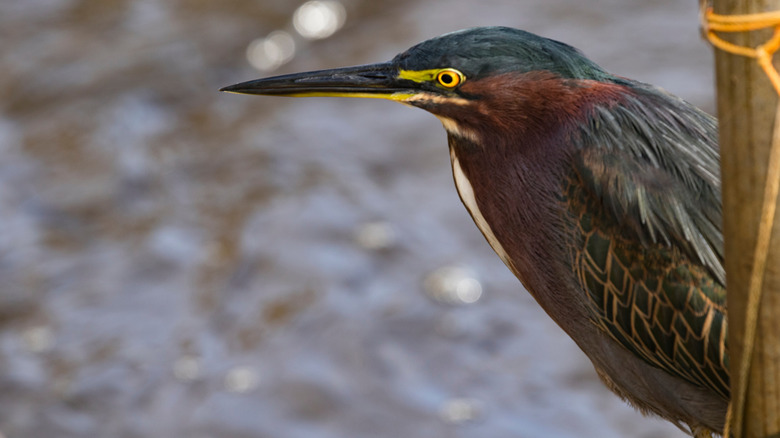
Keen birders will also appreciate the wildlife in the wildlife refuge. Thousands of birds call it home throughout the year, including ducks, geese, coots, and wading birds, including green herons (pictured above). Waterfowl dominate the area during winter, when there are often hundreds of thousands nesting here. The refuge also has some endangered and at-risk birds, including whooping cranes, reddish egrets, and American oyster catchers. Not only are these being protected, but they're also rare sightings for birders wanting to see them in the wild.
How visitors can help Rockefeller Wildlife Refuge
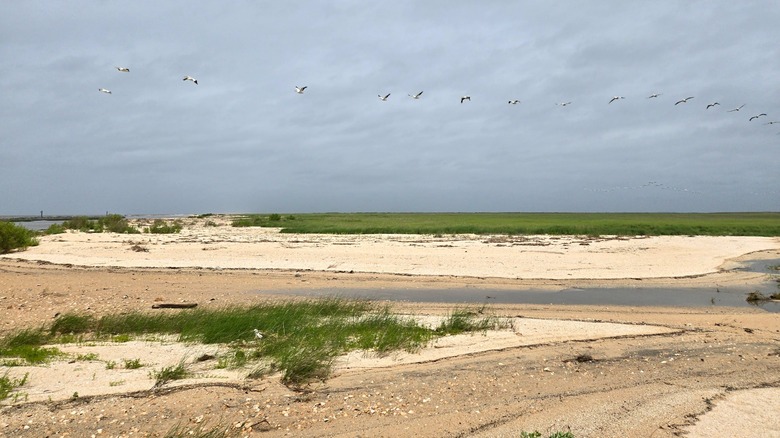
Rockefeller isn't without its struggles. The steadily eroding coastline has become a problem for this crucial habitat. It loses over 50 feet of shoreline each year on average, which is quickly reducing its overall size. Fortunately, a breakwater was built around the coastline in 2020 to protect over 250 acres of the coastal marshland from erosion.
Visitors can still help protect the refuge by keeping the environment untarnished when they're fishing, boating, or birdwatching. The "pack it in, pack it out" approach implores visitors to always leave the refuge with everything they brought in. You also need to have a WMA Access Permit, which costs $5 for a five-day pass or $20 for an annual pass. This requires you to check in and check out of the refuge yourself. If you want to fish, you'll also need a relevant license.
You can drive to Rockefeller Wildlife Refuge in about 3.5 hours from New Orleans or three hours from Houston. Lafayette, an underrated Louisiana town with New Orleans vibes, is under two hours away. If you're still craving Louisiana wildlife after visiting Rockefeller, head to Sabine National Wildlife Refuge, a haven for wildlife watching and recreation. It's about an hour's drive away if you go along Highway 82 and 27.