
The Caribbean's Off-The-Beaten-Path Hidden Paradise Is Full Of Warm Beaches And Unspoiled Natural Beauty
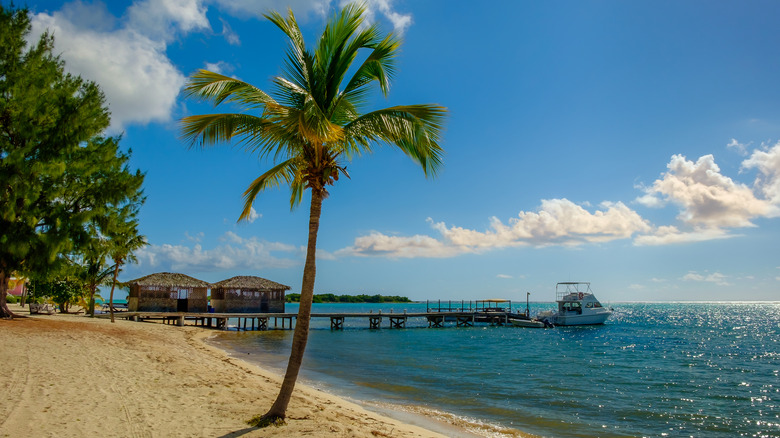
While Grand Cayman is a popular Caribbean destination for its famed Seven Mile Beach and bustling cruise port, travelers seeking a more hushed and secluded experience should venture instead to its sister island. Marooned nearly 70 miles northeast of Grand Cayman lies the pristine isle of Little Cayman. Measuring about 10 miles long and a mile in width, Little Cayman ensures that visitors are never far from the water. The under-the-radar island is ringed by sandy stretches lapped by warm water that is perfect for swimming and snorkeling. Strung along the coast are just a handful of low-key beach resorts and villas that are a far cry from Grand Cayman's high-rises.
While the island's dreamy beaches beckon, there is also plenty to discover away from the sand. The island boasts a number of protected reserves that brim with lush greenery and local wildlife, such as native red-footed boobies and Sister Islands rock iguanas. Just off shore, Little Cayman's world-famous reefs reach astounding depths and are teeming with a brilliant array of marine life.
Little Cayman may be off the beaten path, but the journey to get there is worth it. Visitors will fly into Owen Roberts International Airport in Grand Cayman, which offers nonstop flights from major U.S. cities, and then take a 35-minute flight onward to Little Cayman. The best time to visit Little Cayman is between December and April, when temperatures hover in the low 80s Fahrenheit and there is little rain.
Enjoy the warm beaches on Little Cayman
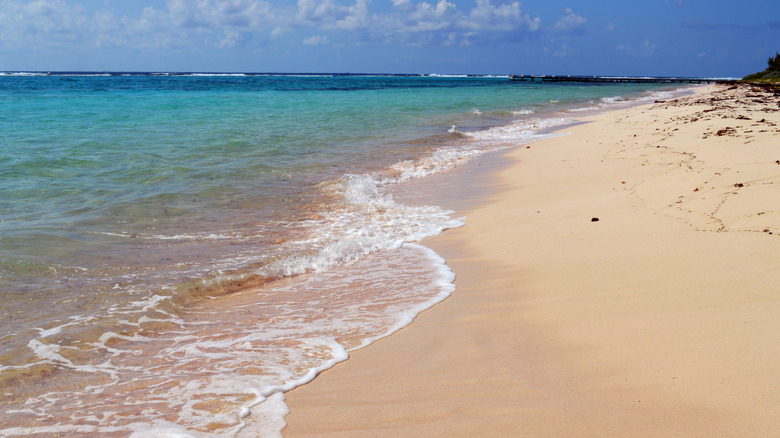
Little Cayman's turquoise waters are inviting year-round, blessed with warm temperatures that range between 81 and 85 degrees Fahrenheit. You can enjoy these bath-like waters at Point of Sand, which is one of the best beaches in the Cayman Islands. Sweeping the island's northeastern shore, this remote, curvaceous swath of sand is flanked by wild greenery and clear, sparkling waters. Here, visitors can wade into the shallow sea, relax under the wooden cabana, or go snorkeling to spot queen conch and other tropical fish zipping through the water. While this beach's unspoiled nature is part of its appeal, there are also no facilities, such as bathrooms, showers, or concessions. There is also no lifeguard supervision, and the currents here can be powerful, so swimmers should exercise caution.
Less than a quarter mile off the island's southwest coast is another one of the Cayman Islands' most legendary beaches. Owen Island is a petite 11-acre spit of sand that can be reached by a 15-minute paddling trip. Encircled by a pink sandy beach, the islet offers plenty of space to lie out and take a break from paddling. Active travelers can hike through the heart of the lush island and go for a swim when the waters are calm.
The best home base for enjoying a beach getaway on Little Cayman is at the Southern Cross Club, the island's top-rated beach resort on Tripadvisor. Established in 1958, this intimate and beloved retreat has just 14 private bungalows, each painted in vibrant colors and nestled along the shore. You can spend days lounging on the palm tree-shaded beach or exploring the water by kayak or paddle board, which are available for guests to use. "It was a fun activity to kayak to Owen Island from the Southern Cross Club," raved a Tripadvisor reviewer. "It has a nice beach and you can explore around the island."
Little Cayman's nature reserves and top diving sites
Beyond Little Cayman's postcard-perfect beaches, wildlife lovers will want to explore the island's nature reserves. In fact, bird watching is one of the best things to do in the Cayman Islands. The Booby Pond Nature Reserve is a 340-acre expanse on the island's southern shore that is home to about 4,000 red-footed boobies, a unique tropical sea bird. An open-air platform offers spectacular views over the ponds, forest, and wetlands. While the red-footed boobies are the star inhabitants, iguanas, frigatebirds, herons, and more can also be spotted here.
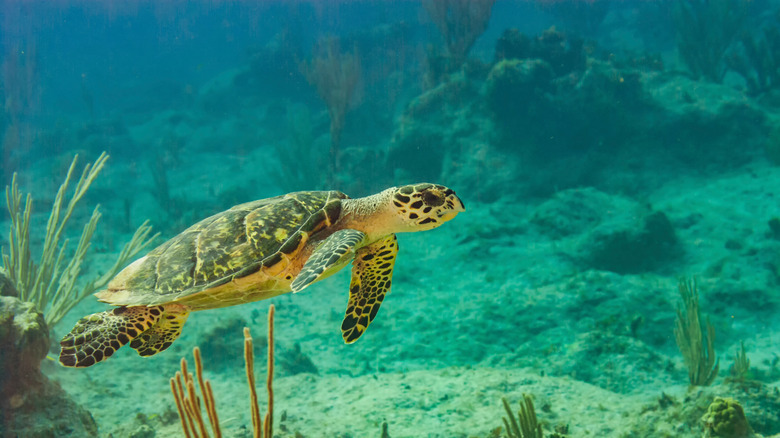
On the western coast is the Preston Bay Beach Iguana and Turtle Nesting Site, which is a protected reserve for Sister Islands rock iguanas, a species of endangered iguanas that are native to Little Cayman and its sister island of Cayman Brac. The reserve is also home to nesting sea turtles, and visitors can bring snorkel gear to discover the Preston Bay marine park.
Off shore, Little Cayman reveals even more natural wonders. In fact, Little Cayman's marine parks and protected areas are recognized by UNESCO for their untouched reefs, home to some of the most diverse marine habitats in the Caribbean. Along the island's northern coast is Bloody Bay Wall, which is one of the best dive sites in the world. This extraordinary dive site is composed of intricate coral reefs that extend down over 3,200 feet, with clear visibility that allows divers to admire tropical fish, sea turtles, and much more. Little Cayman Divers, a local tour operator with excellent ratings on Tripadvisor, offers diving excursions around the island and caters to both experienced divers and beginner snorkelers.