
The Highest Named Lake In The US Is A Colorado Beauty With Gorgeous Mountains Surrounding It
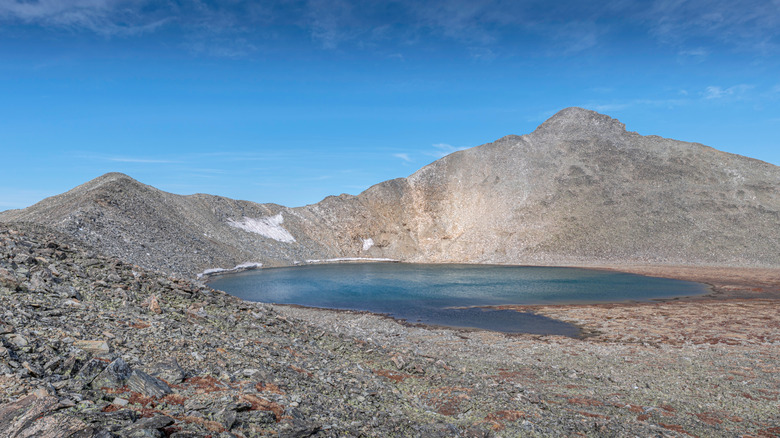
The name "Pacific Tarn" may make you furrow your brow. What do these two words mean? A "tarn" is a kind of mountain lake, usually created by melted glaciers and surrounded by steep slopes. From the name, you might assume that Pacific Tarn is located somewhere on the West Coast, right next to the world's largest ocean, but in actuality, it's in the Rocky Mountains of Colorado. "Pacific" is more of a descriptor, as this rocky, alpine depression feels peaceful and remote. There's no way to even get here but to hike, and you won't see so much as a building or paved road for hours.
The lake's most famous distinction is its elevation. These waters lie at 13,435 feet above sea level, making it the highest named lake in the U.S., per the Denver Gazette. This is a fairly typical height for the state, where 637 mountaintops are deemed "Thirteeners," according to Colorado Hikes and Hops. Still, most states don't have any terrestrial point this high, let alone bodies of still water.
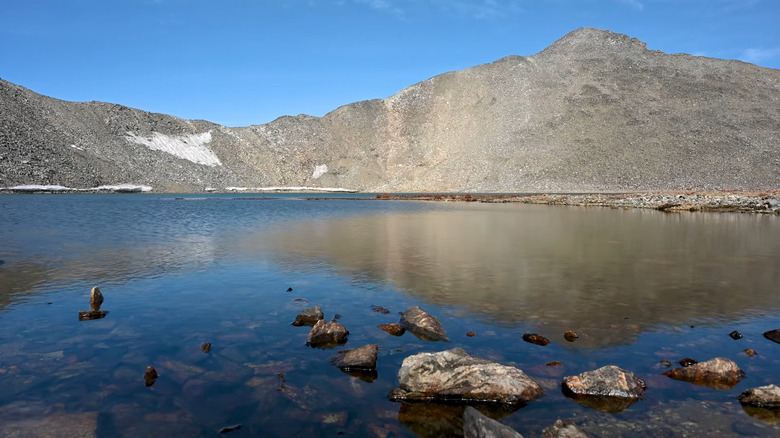
Pacific Tarn isn't very big, but it's remarkably deep, at 28 feet. The lake's beauty is less obvious as Colorado's prettiest swimming holes in the mountains, but its lunar landscape and clear waters make for an awe-inspiring sight. The air is thin enough to induce nosebleeds, but Pacific Tarn serves as an adventurous destination for strong hikers seeking a good workout.
How to enjoy Pacific Tarn
The standard route to Pacific Tarn is by way of McCullough Gulch Trail, a 12.5-mile loop that leads you not only to the lake but to the top of Pacific Peak. This is a strenuous trek, if only for the rise in elevation. You'll ascend nearly 3,500 feet of rugged backcountry, then descend the same distance before returning to the trailhead. Evergreens line the path for much of the way, but once you get above treeline, the landscape turns bald and rocky, more like the highlands of Scotland than the slopes of Vail. This is very high up for most people, so you should spend some time acclimatizing and know the best things to do when you experience altitude sickness on a hike.
Pacific Tarn is picturesque in all seasons, and its shallow-looking shores also beg the question: Can you swim in the lake? The short answer is yes, you are technically allowed to dip into the tarn. Just be aware that these waters are agonizingly cold — even at the height of summer — so you'll have to dry off in the alpine air. Motivated paddlers have also taken collapsible watercraft up here. There's nothing to stop you from taking a lightweight packraft or folding kayak and then floating on its surface.
Many hikers could stop here and feel satisfied, but you're only a short distance from Pacific Peak, and the views are barren but spectacular. Pacific Peak is within the Mosquito sub-range of the Rocky Mountains, so the hike to its towering top passes through stunning forests and snow-topped summits. As with all mountains, carefully budget your time and energy for the return trip, and don't take chances with the weather. Pacific Tarn is a dependable water source, but always filter it first and opt for a flowing source if possible.
How to get to Pacific Tarn and where to stay
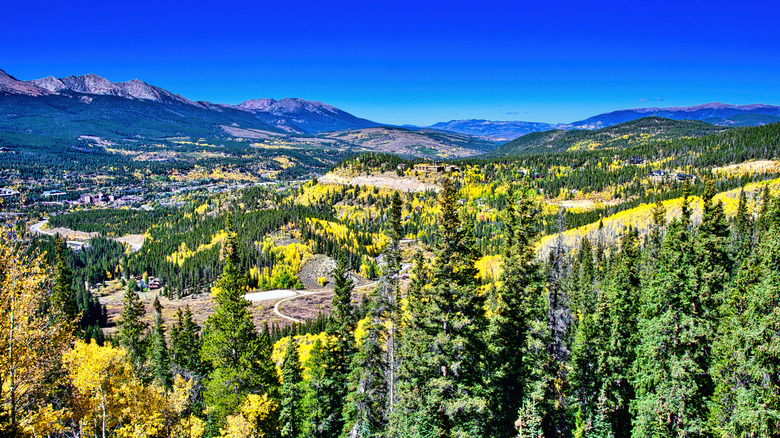
The full hike up Pacific Peak is ambitious, and you're wise to start out early. The closest major town is the ski hub of Breckenridge, where you'll find plenty of hotels and camping before your wilderness expedition. The McCullough Gulch Trailhead is about 10 miles from Breckenridge, or 20 minutes by car on these mountain roads. If you're headed there between mid-June and mid-September, you should first make a parking reservation. This can cost anywhere between $10 for four hours and $30 to $55 for the full day, depending on the day you visit.
Alternatively, a shuttle service also operates during this high season, with round-trip service from Breckenridge for $7. Some may grumble about this system, but it's been effective for minimizing crowds and ensuring sufficient parking. Between September and June, parking is first-come, first-served and free of charge.
Pacific Tarn and Pacific Peak lie within the White River National Forest, a vast hunk of public land that covers 2.3 million acres of Colorado's Rocky Mountains. Responsible hikers can partake in dispersed camping in White River. This means no facilities, carrying all your own provisions, preparing for bears, and following leave-no-trace guidelines. While you're out here in search of remote waters, check out the Dillon Reservoir between Denver and the White River National Forest, which is popular for fishing and kayaking.