
Saint Croix's Hidden Gem Is A Once-Abandoned Plantation That's Now A Lush Botanical Garden
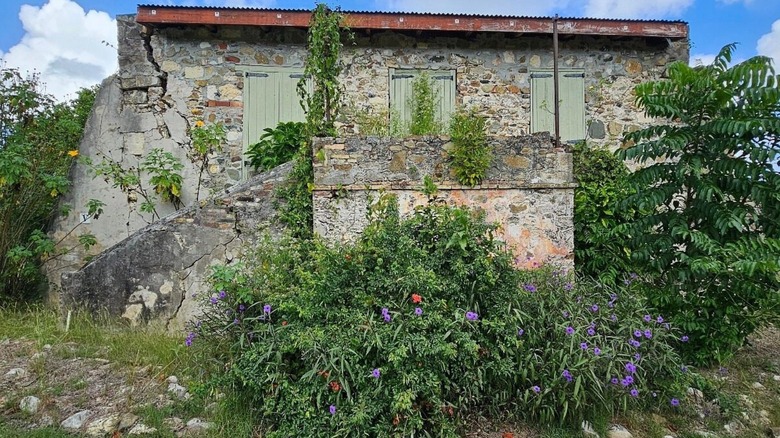
A biodiverse marvel surrounded by stunning Caribbean waters, Saint Croix is the largest and least crowded of the paradisal U.S. Virgin Islands. Sun-seekers flock here to unplug along the sandy shores of Saint Croix's world-renowned beaches, where shipwrecks, coral reefs, and spectacular marine life beckon visitors to explore underwater. Yet Saint Croix's lush interior is rich with history, natural beauty, and cultural attractions that are worth trekking inland for. Topping the list of essential island visits is St. George Village Botanical Garden, a "hidden gem" situated on the grounds of a once-abandoned plantation that's teeming with centuries of history and an abundance of lush, tropical vegetation.
St. George Village Botanical Garden is tucked away in Frederiksted on the western side of the island. The 16 acre garden houses sugar plantation ruins and over 1,500 species of plants. The St. George website boasts it's "the hidden gem of St. Croix," but travel reviews on Tripadvisor might beg to differ. At the time of this writing, over 500 reviewers ranked visiting this emerald landscape the second best thing to do in Frederiksted. While Tripadvisor's strong 4.5-rating affirms the garden's "gem" status, hundreds of glowing reviews make it a tad too popular to be much of a "hidden" secret.
The garden blends beautiful, unspoiled vegetation with a culturally significant site, explaining why it resonates with travelers. The English and Dutch colonized Saint Croix in the mid-1600s before it passed into the hands of Spain and France. Sugar cane was the main item of production during colonial times, with sugar mill plantations springing up across the island. Their remains, like the abandoned plantation where St. George exists, dot the island to this day.
Journey among ruins and layers of history at St. George Village Botanical Gardens
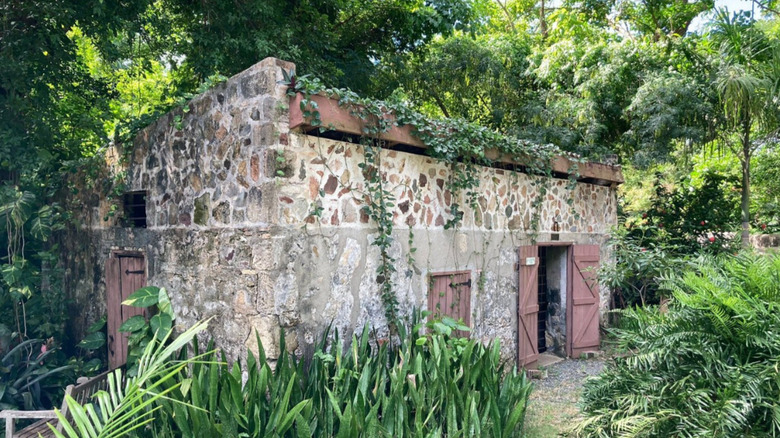
Several structural ruins of the former Dutch sugar mill are scattered across the lush acres of St. George Village Botanical Gardens, a recognized National Historic District. Meandering the grounds you'll encounter the restored Great Hall, a dilapidated blacksmith's shop, housing for enslaved workers, the manager's living quarters, and the Old Danish Cemetery. While they're now overgrown with gorgeous horticultural treasures, the ruins are a vivid and somber reminder of Saint Croix's prominent role in the African slave trade.
After the abolition of slavery in 1848, many former slaves continued to work at their plantations as free laborers. During Fireburn — a worker's uprising on the island in 1878 — Estate St. George was set on fire. The conflagration signaled the beginning of the end for the plantation, ushering it into decline. It wasn't until 1972 that St. George Village Botanical Gardens was established. The garden came to life at the behest of local citizens who wanted to shed light on the estate's colonial history and simultaneously preserve the island's floral biodiversity.
The history of the site stretches further back than Estate St. George, and visitors can view fascinating artifacts and immerse themselves in the site's complex past at the onsite museum. Among the museum's displays are tools and pottery that belonged to a pre-historic indigenous community that once occupied the site and were unearthed by archaeologists. The substantial settlement thrived between 100 and 900 A.D, although proof of human life in the Caribbean goes all the way back to 6,000 BCE.
Explore this lush, tropical garden on a self-guided tour
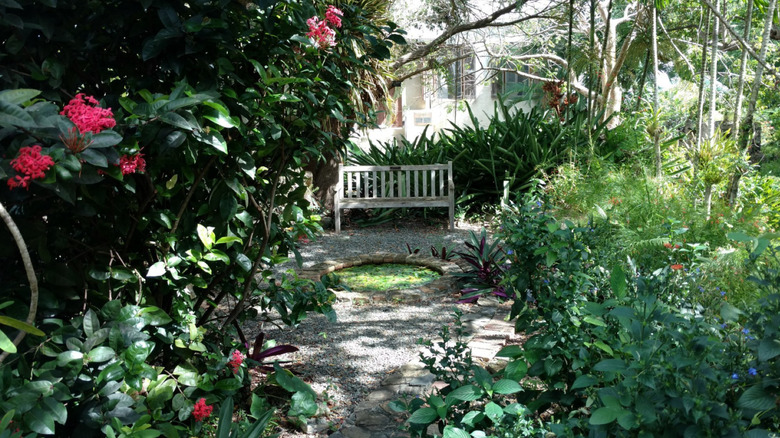
Many of America's best botanical gardens occupy the mainland, which makes discovering the exotic, tropical plants at St. George's a unique experience. More than a pretty place to stroll, the gardens strive to preserve the region's native plants, which have been instrumental in the production of food, fiber, and medicine. The Herbarium is a model of preservation housing more than 6,000 dried and pressed plants which account for 80% of the species in the U.S. Virgin Islands. The Medicinal Herb Garden preserves an array of botanicals that have been and still are used in natural medicines.
In the Tropical Rainforest area lies the remains an old Danish Flume that once delivered water to the mill. The Bromeliad Garden grows in the area that once was the sugar mill, while the Cactus and Succulents Gardens features the most thorough collection of its kind in the Caribbean. You can marvel at delicate orchids inside the Orchid House and at the 1,000 Orchid Memorial Garden. The latter was planted by the St. Croix Orchid Society to pay homage to the enslaved African laborers who spent their lives sustaining the plantation.
Tours of St. George are self-guided, with visitors receiving a map upon arrival. If you're an avid horticulturist, a reviewer on Tripadvisor recommends coming prepared: "Many of the notable specimens are labeled with signs, although you're best off carrying a guidebook or using a plant app if you really want to learn about each species." Numerous airlines fly to Saint Croix from major U.S. cities, and the botanical garden is just an eight-minute drive from Henry E. Rohlsen Airport (STX). If you're visiting several islands, you can take a direct flights from the serene Virgin Islands escape of Saint Thomas, which, like Saint Croix, is one of these 25 gorgeous islands that won't break the bank.