
Between Tampa And Lakeland Is Florida's Former Mine Now Thriving As A Park With Trails, Camping, And A Boardwalk
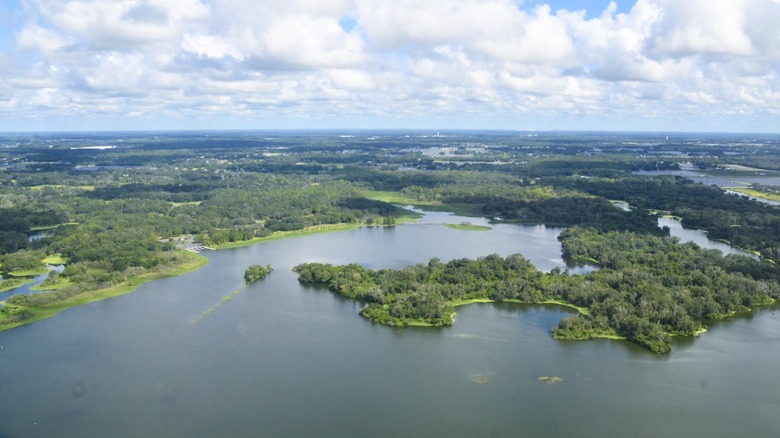
Phosphate mining was a huge moneymaker in Florida long before theme parks were a thing. The industry has raked in billions of dollars since the 1880s, fueled by the phosphate-rich Bone Valley area in the central part of the state, where deposits of the mineral primarily used to make agricultural fertilizers are abundant. Some of the region's mines have been shuttered over the years and reclaimed in an effort to mitigate the negative environmental impacts of extraction. That's certainly true for the Edward Medard Conservation Park, the lands of which have gotten quite a new lease on life after being stripped for phosphate decades ago.
Situated on the outskirts of Plant City, roughly between Tampa and Lakeland, this stretch of wilds was home to a phosphate mine in the 1960s. The American Cyanamid Company donated its property to the Southwest Florida Water Management District at the end of that decade, and the mining site was filled by the waters of a reservoir built along the Little Alafia River. Before long, one of Hillsborough County's biggest regional parks was born, according to the county.
Edward Medard Conservation Park's 700-acre man-made lake has become a popular spot for boating and paddling today. The trails and boardwalk that wind through the grounds also offer a great vantage point of the lush scenery and native wildlife. Even better, if you want to stay the night, there's a campground set among the trees. The park itself is open from 8 a.m. to 7 p.m. during the spring and summer months, closing an hour earlier throughout the rest of the year.
See gators and birds at Edward Medard Conservation Park
Stretch your legs and hit the scenic paths at Edward Medard Conservation Park, which has three miles worth of connected trails. For great water views, tackle the Levee Trail. The path begins near the park entry station off Edward Medard Parkway, running parallel to Turkey Creek Road along the west side of the reservoir for almost a mile and a half. The Singing Bluffs Trail is about the same distance and weaves through the dense hardwood hammocks and pine flatwood trees on the other side of the park entrance. You can find a helpful trail map online, but just note that some of the features have changed due to hurricane damage.
Although Florida is known for being America's flattest state, the Singing Bluffs Trail snakes through some surprisingly steep and hilly terrain, thanks to mounds created by early phosphate mining. Keep an eye out for wildlife as you go, including turtles, rabbits, and plenty of gators. The park is also a haven for birds, on par with some of the best destinations in Florida for birdwatching. Roseate spoonbills, least bitterns, purple gallinules, and limpkins have all been spotted in the park, according to eBird.
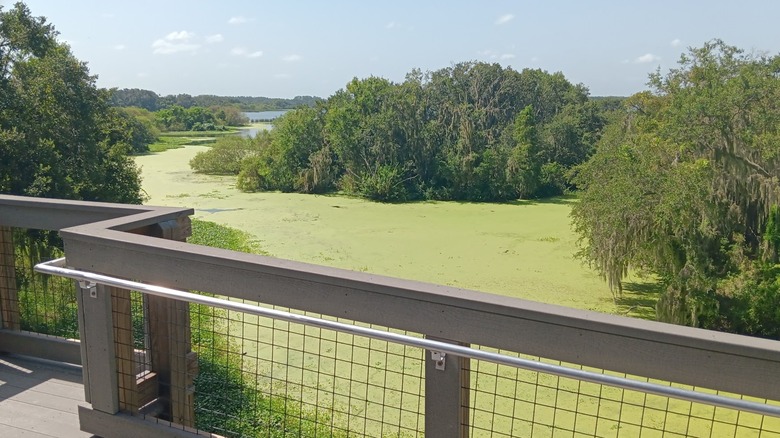
You can do a bit of birding as you traipse along the Medard Boardwalk Trail, which is pretty short but big on views nonetheless. "Great breeze and view of the lake! Nice spot to pause and enjoy nature," one hiker shared on AllTrails. The boardwalk extends across the restored marshy wetlands and surrounding lush wilds for just over half a mile, and you can get a peek of the gators swimming below. Needless to say, swimming is off limits. Pets and bicycles are also prohibited along the boardwalk.
Hunker down for the night in Edward Medard Conservation Park
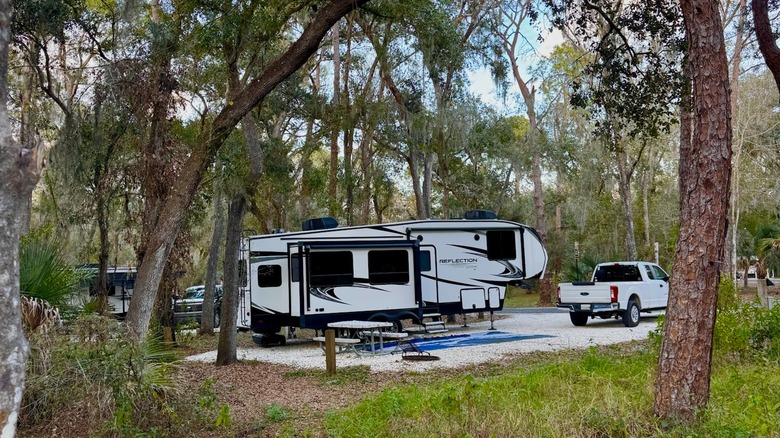
Bring along all the best camping gear for a comfortable night outdoors, as Edward Medard Conservation Park has 43 campsites designed for both tents and RVs. All of the spots have 30-amp hookups, with some offering 50-amp plugs if you need a little extra juice. The campsites additionally have a water spigot, as well as a picnic table and fire ring perfect for roasting up some s'mores. Restrooms, shower facilities, and a dump station can also be found on-site.
The campground did undergo renovations in 2025, including widening and repaving roadways and leveling out the campsites, so if you've been before, expect a few improvements this time around. Campsites are pretty inexpensive, running $24 per night, as of the time of writing, with discounts offered for older adults and seniors.
Other highlights of the park include an 18-hole disc golf course and picnic shelters, located near the campground. There is also a nearby playground, which was closed for a couple of months in May 2026 for upgrades, but is expected to reopen in July. If you're planning on cruising the reservoir, the boat ramp was also closed due to low water levels, so be sure to check the park's website for reopening updates ahead of your trip. In the meantime, you can do a bit of paddling along the waters. Kayaks and canoes are available to rent within the park at the entry station, which costs $25 for the first four hours and $10 each hour after that, at the time of writing.