
Near Portsmouth Is A Lovely Village With Historic Roman Ruins And Coastal Vibes
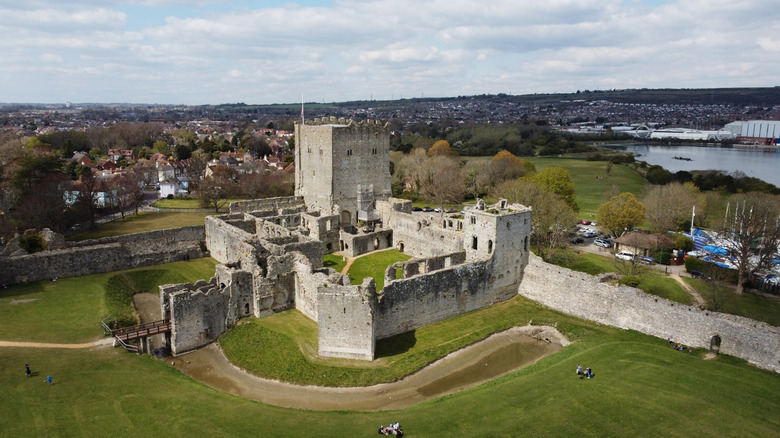
Back when the Romans ruled Britain, they built a bevy of coastal forts, some of which may have been intended to defend the land against invaders, including the Saxons. These forts were known as "castrum" in Latin, which eventually evolved into "ceaster," the Old English word for fortified towns and Roman settlements. These days, seeing "caster" or "chester" tacked onto the name of any English town is usually a small indication of England's fascinating Roman past. History fiends looking to explore one of these former Roman military camps should make their way down to Portchester, a quiet village on the south coast of England. From ancient Roman ruins to windswept seaside scenery, a trip to Portchester is bound to be interesting.
Despite the many centuries of history, the village still has a contemporary feel. The streets are lined with residences and quaint pubs filled with travelers and locals alike. Leafy trees and brick chimneys add a delightful charm to the village scenery. Standing guard along the grassy foreshore is Portchester Castle, a Roman coastal fortification with elements of medieval architecture. It's said that the castle welcomed famous royals throughout its history, including King Henry V, along with Anne Boleyn and Henry VIII.
After discovering the village's Roman heritage, history buffs should also stop by Fort Nelson, a Victorian-era military garrison. Nature lovers can hit the windswept footpaths skirting the coastline to bask in sprawling waterfront views. Porchester is just 20 minutes by train from the city of Portsmouth, and those in London can catch the train at Waterloo Station to reach Portchester in just under two hours. Extend your stay in the village at highly-rated accommodations nearby, like Lysses House Hotel, The Roundabout Hotel, and The Red Lion Hotel.
Explore the ruins of Portchester Castle
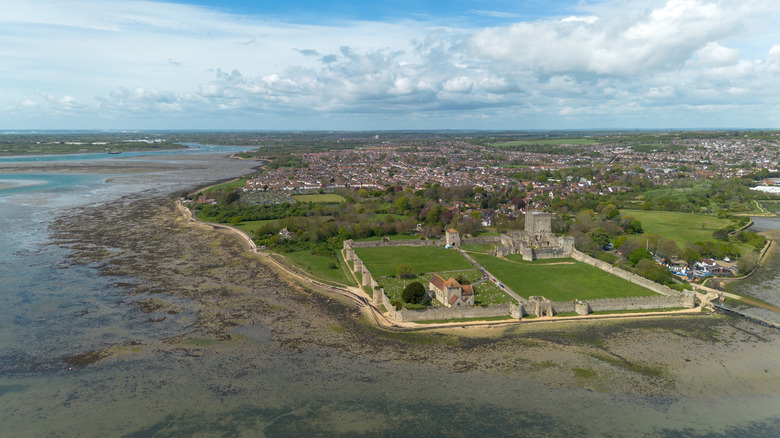
For the history aficionados, the first stop on a trip to Portchester has to be the Roman fortress and castle ruins. The roughly 20-minute walk from the train station takes you through the village's charming streets before reaching Portchester Castle. As you approach, the rugged stone walls become visible between the trees. Built with flint and limestone sometime back in the 3rd century, these towering ramparts are considered the most fully intact Roman walls still left in Europe. It's also possible that a Roman naval fleet was stationed here.
Before even stepping through the stone arch leading into the Norman-era castle, a gravel footpath veering off to the right beckons tourists to walk around the outer perimeter of the Roman walls. The footpath eventually leads to the seafront, where the looming presence of the fort creates a scenic backdrop. Several towers protrude from the walls, where Roman soldiers stood guard to monitor the coastline.
Once you've explored the exterior, check out the sprawling interior lawns to admire the castle's magnificent Norman architecture. Built in the early 12th century, the medieval keep stands atop a grassy mound ringed by a wide moat. A small bridge crossing the moat leads visitors beneath the gatehouse, where a quick glance upwards reveals two portcullises. Climb atop the castle tower, where you will be rewarded with views of boats in the harbor and tree-lined ridges. "Reasonable number of steps to reach the top so may be challenging for some," one visitor wrote on Google. For another glimpse into England's medieval past, pay a visit to Ludlow, a postcard-pretty town with a scenic castle and tasty eats.
Coastal scenery and local eats in Portchester
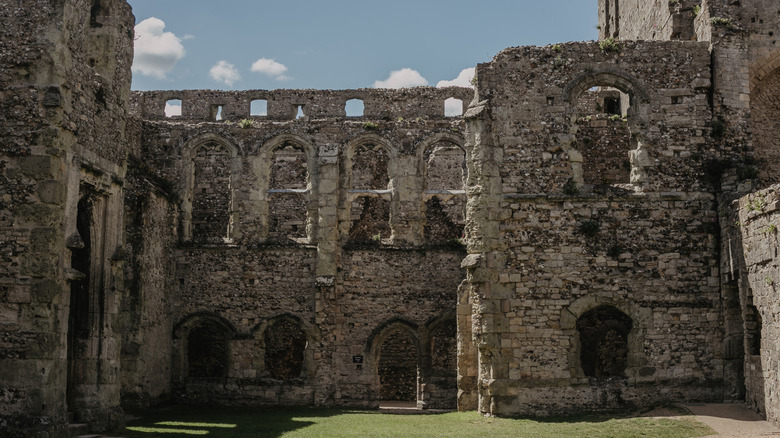
Beyond the Roman ruins, there are many scenic coastal landscapes to explore in Portchester. The gravel footpath skirting the perimeter of Portchester Castle splits off to join the England Coast Path, a national trail that runs along the English coastline. The path continues toward Portsmouth and the 300-acre Farlington Marshes Nature Reserve. Benches dot the path, offering a spot to rest and gaze out at the water. Parts of the trail even leads hikers directly onto the pebble shores. When the tide is low, you can stroll out across the exposed mudflats. To experience more of England's coastal scenery, take a beachy road trip to the "Seven Wonders of the English Seaside."
When you start to feel hungry, Portchester offers plenty of flavors to choose from. Walk along the England Coast Path until you reach the Wicor Marine Yacht Haven, where the Salt Café awaits. Enjoy the cafe's cozy interior, or grab a picnic table on the wooden dock perched above the water. Choose from brunch dishes like avocado toast, sausage sandwiches, and battered cod with chips, or go for a sweet treat like pecan pie or a brownie with ice cream.
Closer to Portchester Castle is The Cormorant Pub and Restaurant, praised by previous customers for its delicious Sunday roast and welcoming staff. The menu is full of hearty dishes like halloumi fries, prawn cocktails, bangers and mash, beef lasagna, and roasted pork belly with vegetables and gravy. After your visit to Portchester, travel just 40 minutes by bus and train to Gosport, another charming coastal town with beaches, fresh seafood, and history.