
NYC Is Banning This Wildly Popular Tourist Attraction In Central Park
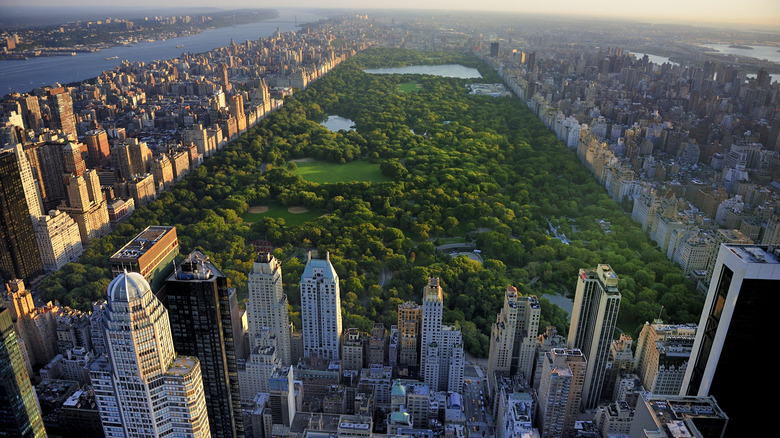
For generations, a horse-drawn carriage ride through Central Park has been a quintessential New York experience, clip-clopping past familiar movie-scene backdrops on leafy paths. But the long-running tourist tradition is nearing its end. On October 22, 2026, New York City Council passed legislation to phase out horse-drawn carriages in the park by the summer of 2028, putting an end to over 150 years of rides through the park, as announced in a statement from the council.
While Central Park, named America's best tourist attraction, has delighted visitors with its horse-drawn carriages, the practice has always had its detractors. According to City & State New York, the American Society for the Prevention of Cruelty to Animals (ASPCA) formed in 1866 in direct response to horse carriage abuse in New York. There have been numerous animal welfare concerns since about horses navigating traffic and working in extreme temperatures. Former mayors Bill de Blasio and Eric Adams both introduced bills to ban the horse carriages during their terms, but they were ultimately unsuccessful.
The final push to end the horse carriage practice followed the death of 18-year-old tourist Romanch Mahajan, who died in June 2026 after leaping from a carriage in an attempt to help his mother, who had been thrown out of the ride, per AP News. The ban, in honor of the teen victim, is called Romanch's Law. Council Speaker Julie Menin said in the statement, "The tragic and preventable death of 18-year-old Romanch Mahajan this summer underscored the need for urgent action after decades of mounting concerns." Menin also cited animal welfare and overcrowding in Central Park as further justification for passing the bill.
What the Central Park carriage ban means for travelers
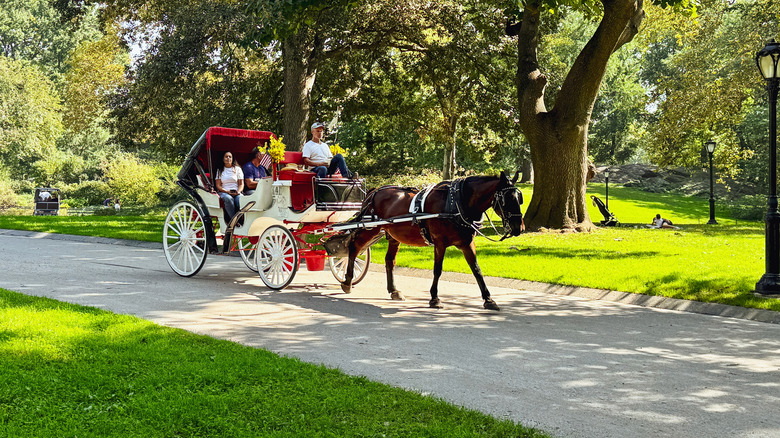
Travelers hoping to get one last ride on the horse-drawn carriages through Central Park have until June 1, 2028, to do so. The New York City Council statement says it will ensure none of the retired horses get sold to slaughter, and that a transition plan will be in place to help carriage drivers, including potential compensation. However, travelers won't get to experience the sound of hooves and clattering carriages anymore, which some see as a loss. A visitor from California told Reuters, "I'm concerned. It's one of the things you think about when you think about Central Park."
For others, however, there were problems beyond just safety concerns that make the ban a welcome change. One Brooklyn local told Reuters, "It makes me sad to see the horses." Meanwhile, a letter to the editor in the New York Post expressed relief at not having to worry about stepping in horse manure in the park anymore.
Visitors hoping to come to Central Park (the most filmed location in the world) to recreate a classic movie moment or take a relaxed ride past familiar scenes still have other options after the horses retire. One that's sticking around is pedicabs. If you're looking for an open-air ride through the park, where you can sit back and cruise past the park's iconic sights, pedicab tours could be a fun alternative with no horses involved. If you're more into the lovey atmosphere that the horse-drawn carriages evoke, there are plenty of memorable date options in the city named America's most romantic in 2026. Rowing on the Central Park Lake is a fitting substitute: Visitors can rent a rowboat and paddle past the historic boat landings, Bow Bridge, and Bethesda Terrace.