
Nestled In Middlesbrough Is A Scenic Nature Reserve With Wildlife, Wetland Walks, And Sea Views
At the height of its industrial prowess, Middlesbrough came to be known as "Ironopolis". Decades of iron ore mining, steel manufacturing and shipbuilding had transformed this unassuming Northern city from an uncultivated field and meadowland to an industrial powerhouse in the late 1800s.
Though nowadays Middlesbrough is associated primarily with its role in British manufacturing and strong working-class history, there are small pockets of its rural, wild past still surviving on its fertile soil. One such place is the Teesmouth National Nature Reserve. Located on the estuary where the River Tees flows into the North Sea, Teesmouth National Nature Reserve (shortened to NNR) consists of 350 hectares of dunes, mudflats, marshes, and rare coastal grasslands, all teeming with wildlife.
The reserve's location right on the boundaries of Middlesbrough town center makes it an easily accessible spot, whether you are dedicating a weekend to exploring the city's surroundings or simply want to plan a quick day out in nature. Teesmouth NNR is about a 30-minute drive (11 miles) from Hill Street, the city's central shopping hub. The reserve is also located halfway between the former industrial towns of Redcar and Hartlepool, a good stop for a taste of antique shopping and fishing history.
Enjoy wetland walks and sea views in Teesmouth National Nature Reserve
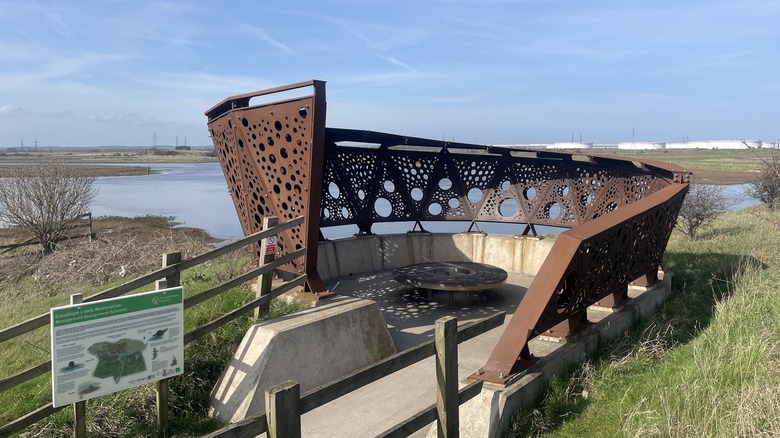
Straddling the large industrial site, which includes Hartlepool Power Station, Teesmouth NNR is split into two sections by the latter: North Gare and Seal Sands, each with its distinctive ecosystems. Travelers who want to start exploring the wetlands should head to Seal Sands, home to a sprawling environment of intertidal mudflats inhabited by wading birds, grey seals, and small falcons, among others. Its mudflat ecosystem is recognized as one of the largest in the region, fed by the river estuary which once played a key role in the salt-extracting industry.
For a better chance to spot Seal Sands' resident wildlife, you can head to the purpose-built panoramic viewing point situated at the end of the main car park. Alternatively, you can follow the 1.5-mile paved trail connecting several bird hides, and culminating in Seal Sands' main wetland basin, in Greatham Creek. If you want to get a glimpse of Teesmouth's coastal wildlife, North Gare is the best place for it. Its ecosystems primarily encompass grassy sand dunes, which make for an ideal environment for wildflower species including bright purple Marsh orchids – one of six species present in the local marshlands.
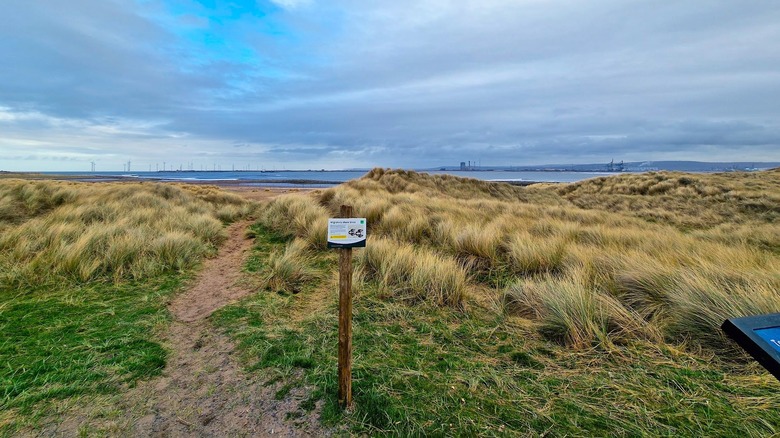
Visitors can walk from the reserve trailhead to the northernmost tip at North Gare Beach in about 1.5 hours. When the tide is out, you can hike the scenic 2-mile loop around the sand dunes, running parallel to the dark, sandy beach. The beach itself is a popular spot for admiring the contradictory landscape of Teesmouth reserve. On the one side, you have dunes populated with beautiful verdure of species such as Marram and Lyme grass, and on the other you can see the outline of the bulky industrial structures abutting the reserve.
Teesmouth National Nature Reserve is filled with mesmerizing wildlife
Thanks to its abundance of ecosystems, Teesmouth NNR is popular with birdwatchers and wildlife seekers. Far from being an exception, Teesmouth is one among many places in the North East region that function as a natural sanctuary among the densely populated metropolitan areas. Take the coastal National Nature Reserve in Lindisfarne, which boasts unique wildlife and seaside hiking between Edinburgh and Newcastle upon Tyne (two of the largest cities in the UK), for example. You don't need to head to the country's remote (and underrated) island destinations to enjoy magnificent scenery and wildlife spotting. In Teesmouth, you can encounter a wide variety of wildlife regardless of the season –- from migrating Arctic birds to resident land mammals and water mammals.
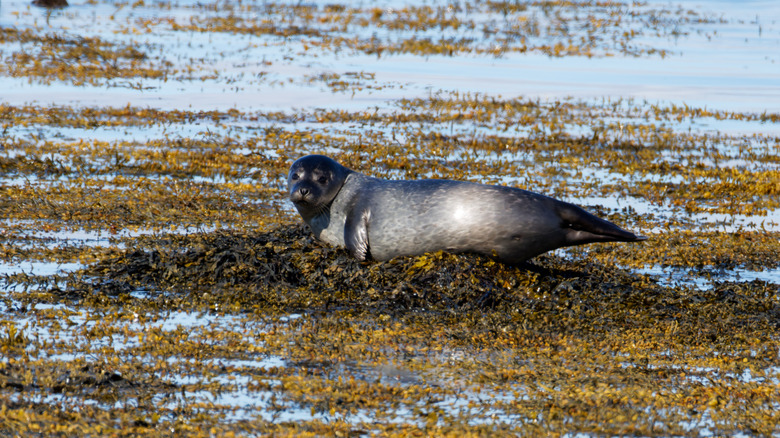
One of Teesmouth's most famous residents is the seal. You can spot grey and harbor seals (also known as "common seals"), lounging on the mudbanks along Greatham Creek, especially in ideal low tide conditions. Heading to the waterside in North Gare, you also have a chance to see dolphins swimming off the coast. If visiting during winter, you will have the best chance to spot estuarine curlews (the largest waders in Europe) and lapwings.
In fact, though the area is filled with mammals big and small (think otters, foxes, deer, and hare), birds are perhaps the reserve's biggest attraction. Some, like waterfowl, flock in massive numbers to the reserve; species like knots and shelducks migrate from the Arctic hemisphere to find a food source within the reserve during winter, whereas a few tern species, as well as avocets, skylarks, and meadow pipits, return to their usual breeding ground or have a fixed dune abode in the reserve year-round.