
Between Newcastle Upon Tyne And Edinburgh Is A Scenic Coastal Nature Reserve With Unique Wildlife And Hiking
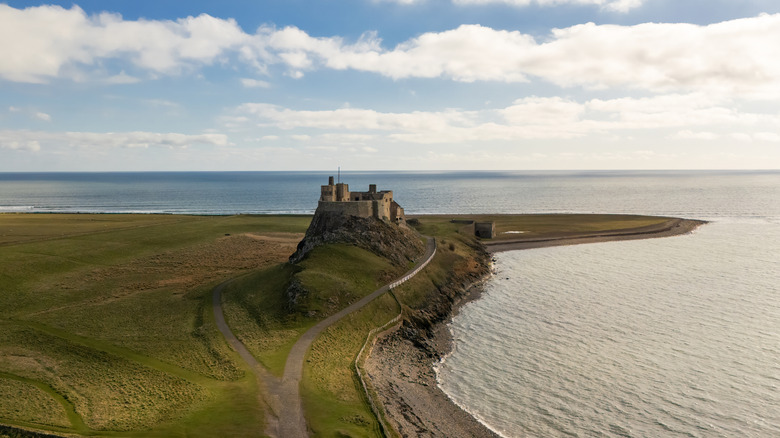
While England's capital city of London may have the nightlife buzz and centuries-old museums to attract over 20 million international visitors a year, in order to get a taste of scenic English wilderness it's worth ambling to its northern counties. In particular, England's northernmost county, Northumberland, is renowned for its scenic landscapes, unique shops, and castles galore. This is where the history-filled tidal island of Lindisfarne, also known as "Holy Island," is located. When picturing Lindisfarne, visitors are likely to associate it with the Christian pilgrimages and rare holy relics the island is famous for. But Tudor-era castles and illuminated manuscripts are not the only treasures; indeed, the island is only one part of the wider Lindisfarne National Nature Reserve (shortened to LNNR): a protected, scenic reserve situated right on the Northumberland coast.
Stretching over 3,500 hectares, Lindisfarne National Nature Reserve is home to plenty of wildlife and vegetation found among the marshy dunes, including rare species whose presence depends on the changing tidal conditions. Visitors who want to explore Britain's rugged northern coast can do so by hiking the reserve's easygoing dedicated circular trail, which touches on the reserve's top highlights. They can also enjoy several miles of scenic walks along the longest sand dune stretch in the United Kingdom.
Thanks to its position almost halfway between Newcastle upon Tyne and Edinburgh, Lindisfarne National Nature Reserve is an ideal day trip destination from either city. While "the Toon," as Newcastle is affectionately called in the local dialect, is about 60 miles (an hour's drive) from the reserve, the Scottish capital is approximately 70 miles away on the other side of the border.
Hike and explore the Lindisfarne National Nature Reserve coastal paths
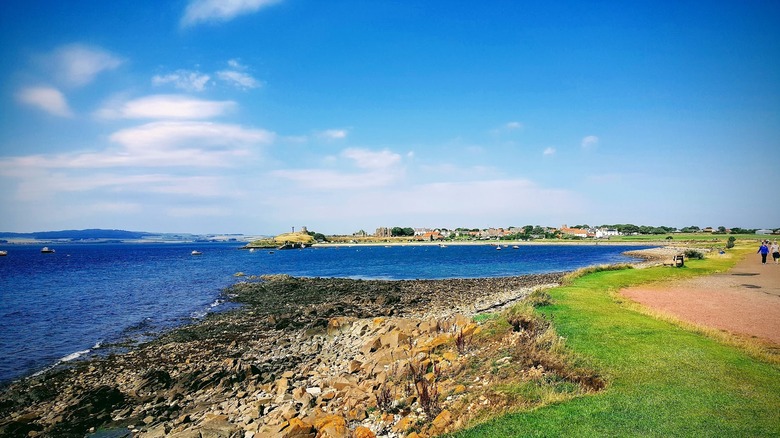
While local gems like the coastal village of Bamburgh may attract visitors with its fresh seafood, camping, and scenic castles, the atmosphere in Lindisfarne National Nature Reserve is more attuned to conservation and is ideal for those who love exploring the great outdoors on foot. The reserve encompasses 40 miles of unspoiled coastline, some of which is part of the nationwide King Charles III England Coast Path, inaugurated by the king himself in March 2026. The LNNR has its own designated Nature Trail, covering about 3 miles for a walking time of two to three hours. This circular hiking loop has eight marked posts for visitors to stop and observe the key highlights of the reserve. Departing from Post 1 at the Window on Wild building, the path winds through verdure-filled sand dunes, rocky stretches, and slight elevations. Visitors can follow the official LNNR map leaflet.
Along the trail, you will come across man-made objects such as vessels and remnants of the fishing industry by the coast, and Lindisfarne Castle's early foundation. Between Posts 4 and 5, halfway through the trail, you will have a chance to spot wintering wading birds along the mudflats and waterfowl sheltering by the low trees – which were planted by Natural England in an effort to restore this patch of wilderness to its original state.
Because Lindisfarne is only reachable when the tide is low enough to cross from the mainland, hikers are required to check crossing times before setting off. Once you are on the island, you can also embark on the more comprehensive Lindisfarne Circular. This 5.4-mile loop circumnavigates the island, with spectacular views of sandy white beaches and ruins and several vantage points from which to appreciate the imposing silhouette of Lindisfarne Castle.
Lindisfarne National Nature Reserve is home to unique wildlife
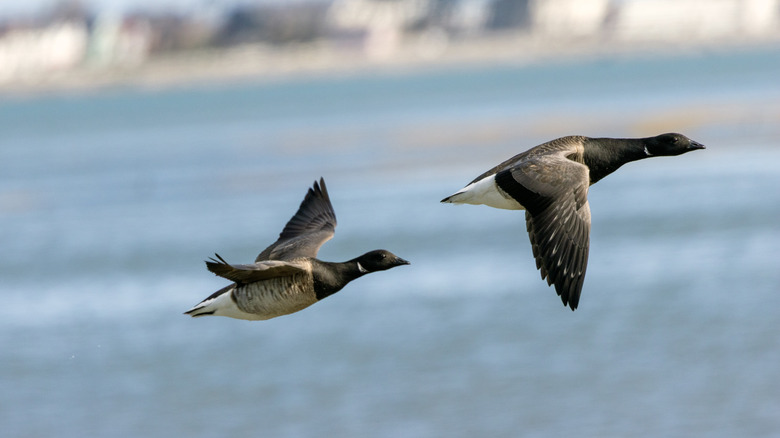
The changing tidal conditions and habitat diversity make Lindisfarne National Nature Reserve a haven for wildlife. The reserve is particularly suited for birdwatching, with roughly 330 avian species recorded on the island. Not only is the LNNR the only regular wintering site in Britain for the Svalbard pale-bellied brent geese, but it is also a key migration corridor for species including terns, curlews, and mergansers, which can be spotted seasonally across the reserve. Geese and wigeons can be seen in huge flocks in winter, whereas terns migrate from Africa during summer. A few species, on the other hand, are present regularly on the island, including eiders, oystercatchers, lapwings, and redshanks. If you are lucky, you could even spot an elusive puffin, which is among the reserve's breeding birds in late spring.
Many of Europe's most stunning national parks are famous for offering wildlife, culture and adventure in heaps. Lindisfarne National Nature Reserve, while not competing in size with most of them, still has plenty to offer with regard to history, adventure, and wildlife opportunities. Indeed, its foundation as an NNR dates back to 1964, when it was created with the mission to preserve habitats like saltmarshes, mudflats, and sand dunes, which were in steep decline across the country. And while birds are a huge appeal of the reserve, they are not the only wildlife that can be found. Grey seals are a frequent sight along the coast, and so are common blue butterflies, garden tiger moths, and squat lobsters.
The reserve is also renowned for its variety of orchids (as many as 11 species), another positive result of its multitude of habitats. Vegetation is in ample supply all across the island, especially around sand dunes, where species like the endemic Lindisfarne helleborine can be found.