
Under An Hour From Bristol Is A Charming Town With Medieval Vibes, Shops, And Local Bites
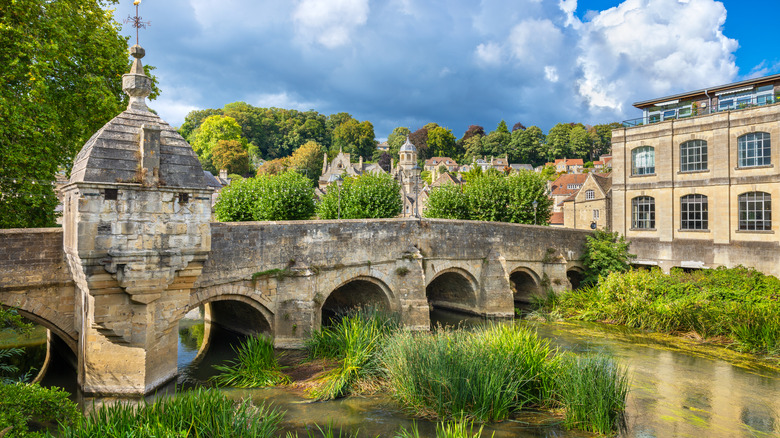
Bradford-on-Avon has been many things over the years: an Iron Age fort, Roman villa district, Anglo-Saxon battlefield, bustling marketplace, and today, a quintessential West Country town. It grew around a broad ford on the Avon river — from which the town gets its name – and is built of oolitic limestone, giving its shops, homes, and churches a warm, honey-like hue. There are a couple of churches from the Saxon and Norman eras, respectively; a 14th-century property known as Tithe Barn which was used to store crops and produce in the feudal era; and a bridge dating to perhaps the 13th century, all of which ensure the town has retained its medieval character.
Though steeped in history, Bradford-on-Avon has much to entice the modern visitor. In the center of town, areas such as Market Street, Silver Street, the Shambles, and Lamb Yard host independent stores that sell everything from pre-loved apparel to handicrafts. It's also got some highly regarded restaurants cooking up British favorites, like homemade pies at Sweetpea Kitchen.
All of this is enhanced by a fine riverside setting and bucolic surroundings. But Bradford-on-Avon's location isn't just pretty; it's convenient, too. The town serves as a gateway to the Cotswolds, sitting right on the southern edge of the region, just inside Wiltshire county. It's also connected to Bath by a lovely canal path. The walk takes about 3.5 hours or more, if you stop for afternoon pints along the way. Bristol, a thriving, artsy city with an international airport, is less than an hour away by car.
Soaking up Bradford-on-Avon's medieval vibes
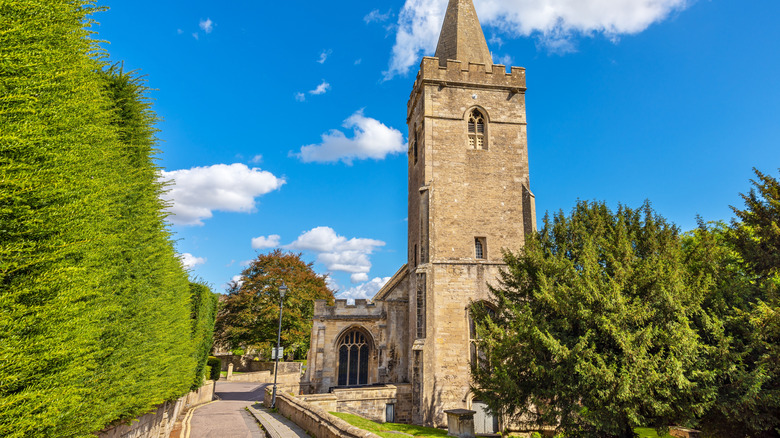
The south of England is full of charming settlements, from Lavenham, Britain's best preserved medieval village, to the likes of the postcard-pretty village of Rye in East Sussex or Sherborne in Dorset. Because Christianity boomed during the Middle Ages — lasting from around the fifth century AD until the rise of the Tudors in 1485 — many of the structures that remain were built in the name of God. Several points of interest around Bradford-on-Avon date to the medieval period, evidencing a rich architectural tradition.
St. Laurence Church is believed to have been built around the turn of the 11th century, therefore predating the Norman conquest of Britain and making it one of finest still-standing Saxon churches in England. It fell out of use as a church, becoming first a "skull house," for keeping bones removed from another church's graveyard, then — in what must have been a strange transition — a grammar school in the early 18th century. Today, it once again functions as a house of worship, welcoming locals, visitors, and wayfaring pilgrims into its sepulchral hall. Also visit Holy Trinity Parish Church, whose origins may lie in the eighth century, when a monastery was founded there. Although significant renovations have been carried out in the church interior, the extant building, with its once-towering spire and rounded windows, is from the 12th-century Norman period. The church still holds weekly services, seasonal fairs, and regular charity markets, concert recitals, and choral performances.
Town Bridge, meanwhile, is the most iconic work of medieval architecture in Bradford-on-Avon, even if most of the current structure was added centuries later. The original wooden bridge is long gone, but two Gothic arches at the southern end are from around the 13th or 14th century.
Shopping and eating in Bradford-on-Avon
Bradford-on-Avon is a small town, meaning you can explore its shops and culinary scene easily on foot. For used smart-casual men's clothing and suits, head to Alfred's, a Silver Street staple since 2018. Secondhand Rose is owned by the same company. It previously operated in Bath and then Frome, an underrated West Country market town full of antiques. It sells ladies' designer fashion and accessories, as well as other quirky goods like pillows, crockery, and artwork.
For local handicrafts, check out Handmade in Bradford-on-Avon (Handmade BOA), which is housed in a handsome stone building in the center of town. Creatives display and sell their artwork, which covers a range of disciplines: woven textiles, glazed pottery, woodwork sculptures, illustrations, decorative glassware, and more. Nothing is mass produced there; the idea is to support genuine artwork made by humans — vital in a world where artificial intelligence is increasingly infiltrating the creative industries. A monthly exhibition is held in its gallery, celebrating the work of a local artist.
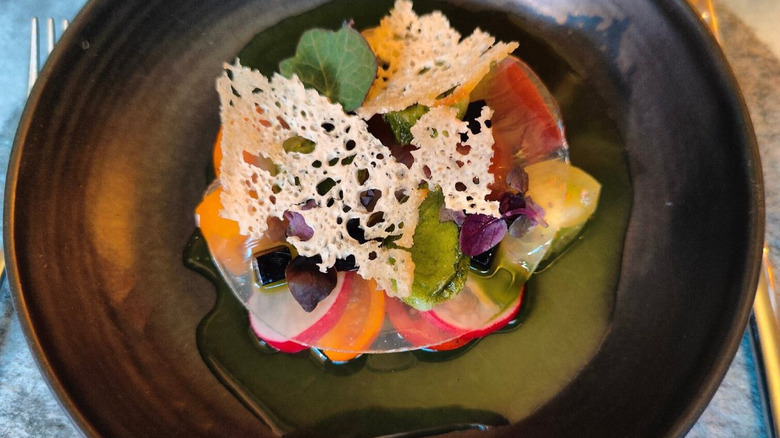
The stellar food at The Bunch of Grapes is also made by humans. The restaurant has been recommended by the Michelin Guide, but don't be fooled into thinking it's pretentious fine dining. Rather, it's a family-run pub on Silver Street, where guests are served in a cozy, wood-panelled dining room. The food is a showcase of locally sourced, seasonal ingredients. A tasting menu might include pigeon, Cornish seafood, West Country cheese, and raspberry sorbet. On Sundays, order one of its indulgent roast dinners. Alternatively, book a table at nearby Timbrells' Yard, known for its roasts made with topside of beef, pork belly, chicken breast, or chestnut and butternut squash. It serves roasts until 9pm, which is a rarity; many British pubs stop serving food early on Sundays.