
England's Postcard-Pretty Village With Historic Streets And Cozy Pubs Is A Perfect Day Trip From London
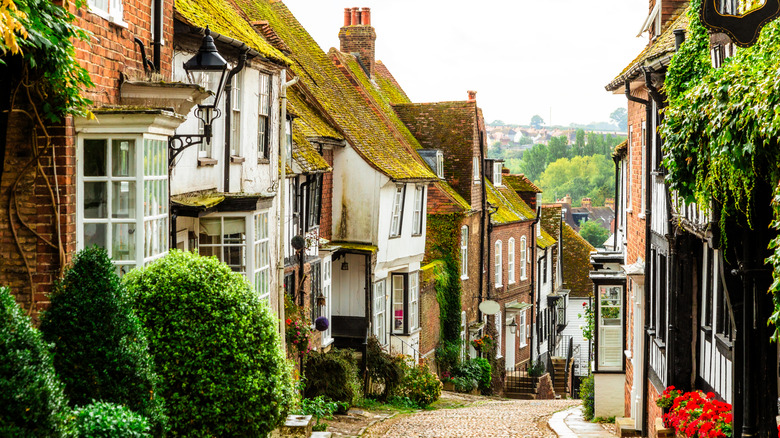
England is hallmarked by ancient cities and towns, laced with cobblestone streets, and dotted with castles, citadels, and intimate pubs storing centuries of stories within their walls. Rye, located in East Sussex in southeastern England, is a particularly picturesque example. Referred to as "England's Medieval Town of Smugglers and Mermaids," just under 80 miles from London, it had a front-row seat to some of England's most impactful events. Today, Rye's history is evident throughout its charming community: It boasts one of the most photographed streets in all of England and a destination-worthy array of architecture, art, legends, ghosts, drinking, dining, and views.
When William the Conqueror launched the Norman Conquest of England in 1066, nearby Rye was caught up in the turmoil, thanks in part to its large harbor, strategically positioned on the narrowest part of the English Channel. Rye became a notorious pirate hangout, even earning the nickname "the smuggling capital of England." The infamous Hawkhurst Gang often gathered at the Mermaid Inn, utilizing hidden passageways and rooms beneath. The tavern was rebuilt in 1420 and today the Mermaid Inn remains an iconic pub welcoming visitors for meals, pints, lodging, and even weddings.
Mermaid Street's cobblestone incline is lined with historic Tudor and Georgian homes boasting whimsical names, along with a number of classic pubs and quaint, independent shops. At the top end, you'll find Lamb House, built in 1723 and known best as the home of writer Henry James. Near the bottom of Mermaid Street, you'll find The Old Borough Arms, an 18th-century, family-run pub and guest house overlooking the River Rother.
Rye pairs pubs with history
Rye's cozy pubs aren't limited to Mermaid Street, and for every historic sight you'll probably encounter a rustic spot to whet your whistle. Old Bell is a 14th-century tavern literally linked to Rye's smuggling history — it's connected to the Mermaid Inn via ancient tunnels. The Standard Inn is another 15th-century favorite, featuring an exposed-beam aesthetic, a menu that includes fresh local fish, and charming rooms for guests who wish to spend the night. William the Conqueror boasts an indoor fireplace and a quirky outdoor beer garden. Or check out Rye Waterworks, the first of its kind in East Sussex. This family-owned operation crafts a variety of cask ales and ciders.
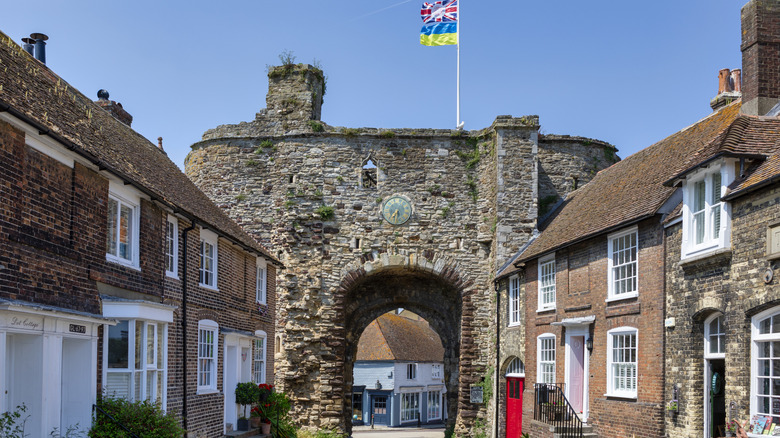
Rye Castle is a must-see. Visitors can ascend the 13th-century citadel known as Ypres Tower for scenic views overlooking the Medieval Garden and Romney Marsh. Check out exhibits at the nearby East Street Museum, followed by drinks a stone's throw away at Ypres Castle Inn, an atmospheric, drinks-only pub and beer garden virtually in the citadel's shadow. The Landgate is another medieval-era landmark, the only surviving gateway of the original four that once guarded the town's entrances. Have a drink at the daytime pub and café that shares its name, or at The Queen's Head, a quirky pub with a labyrinthine interior and a hearty food menu.
Because Mermaid Street's so heavily touristed, savvy travelers will also want to explore surrounding byways like Watchbell Lane, The Mint, or High Street, which offer boutique shopping and more picturesque views with fewer crowds. On High Street, you'll also find the Rye Art Gallery, featuring rotating collections from local and established artists. For more history, the Rye Heritage Centre is worth a visit for its interactive sound-and-light history show, miniature town model, and guided walking tours.
Explore the cinematic local beach and marshy outskirts of Rye
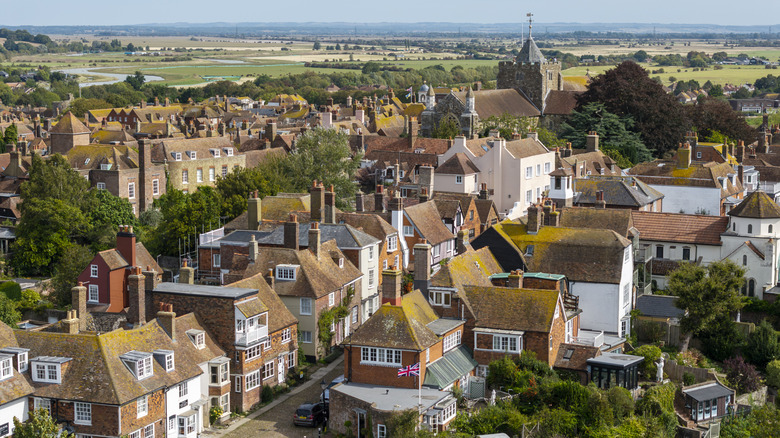
Two miles from town along the River Rother stands Rye Harbour, home to the Rye Harbour Nature Reserve, a wildlife preserve that acts as an important stopover for migrating birds. It also provides unique shingle and saltmarsh habitats for thousands of species of plants and animals. Take the scenic 7-mile meander back through Rye past Camber Castle toward Camber Sands. This popular, wide public beach is backed by sandy dunes and has featured in films like Christopher Nolan's "Dunkirk." And while Rye is no longer the bustling port it once was, the town celebrates its maritime history with Rye Bay Scallop Week each February.
Rye's a roughly two-hour drive from London and accessible by train; most travelers transfer at Ashford or Hastings, a quirky coastal town with Old World charm. Visitors can dial up the romance and stay overnight in the town's enchanting hotels, and many of the taverns also offer lodging. Jeakes House is a historic hotel (and pub) that some guests have described as straight out of "Bridgerton," while The George in Rye is a 1500s roadside tavern turned modern luxury resort. For a more modern stay, the Magnolia House is a zero-carbon bed and breakfast within a short walk of Rye's center. The property boasts 4.9 stars across nearly 200 Google reviews, with guests praising the quality of care and attention to detail.
The entire region around Rye is rife with history and ancient holes-in-the-wall. Fourteen miles to the east lies Dungeness, a unique peninsular beachscape with seafood and art, known as "Britain's only desert." Rye is just 50 miles east of Brighton, the U.K.'s nightlife capital. Both are captivating destinations for travelers wishing to extend their trip to Rye and Britain's underrated coast.