
Between Norwich And Ipswich Is A Charming Market Town With Medieval Streets, Indie Shops, And Pretty Churches
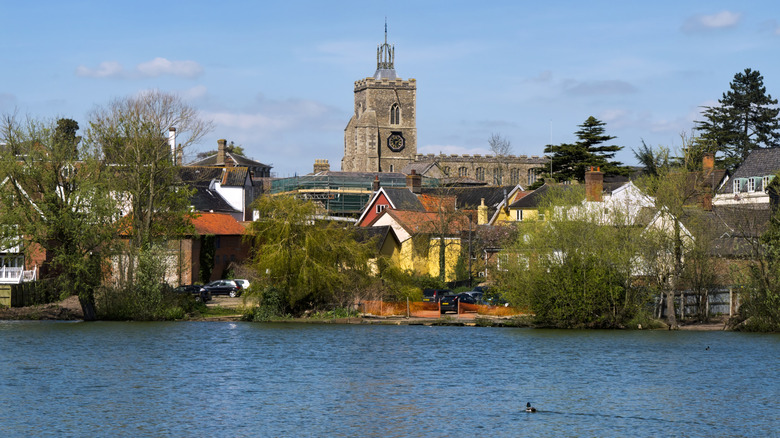
Nestled between Norwich and Ipswich in England's South Norfolk District is an ancient town that's not only fun to say, but also a pleasure to explore. In Diss, medieval streets and centuries-old buildings encircle Diss Mere, a 6-acre lake in the center of the town. It's a place where history still lives, breathes, and cannot be ignored.
According to Visit Diss, mentions of the area's settling appeared in William the Conqueror's Domesday Book of 1086, although evidence of inhabitation has been found from the Roman ages and perhaps even earlier. A towering remnant of the 14th century, the St. Mary's Church steeple is seen above rooflines. Cobblestone streets underfoot are reminders of the town's ancient past.
Although the name sounds like a lazy pronunciation of "this," it's derived from an Old English word meaning "dyke" or "ditch," likely due to the lake's presence. It morphed into a market town in the 1100s, which helped the area thrive. Textiles were traded in what is today the Diss Heritage Triangle, which still hosts a weekly market on Fridays. More modern items can be found in the independent shops that have carried forward longstanding area trades, plus added additional offerings to the mix.
Medieval history meets modern shopping
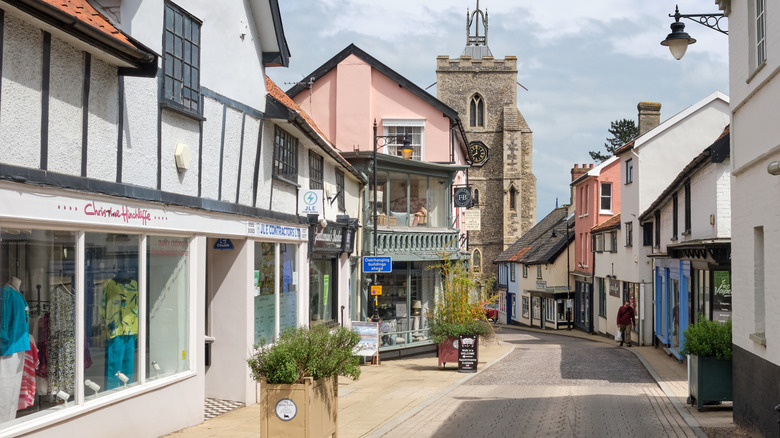
Ancient towns such as Diss dot England's landscape, like Lavenham, "Britain's best preserved medieval village," 30 miles away. But not all were deemed market towns, nor do they all continue that reputation today, which sets Diss apart. Enclosed on three sides by St. Mary's Church, the historic Corn Hall, and the Diss Museum, the Diss Heritage Triangle showcases stalls selling clothing, local produce, cheeses, garden products, and more every Friday from 8:30 a.m. to 3 p.m.
Stroll beyond the outdoor market's borders and find independently owned shops like Designermakers21, where you can meet artists in their studios, purchase their creations, and take workshops to learn a new skill. Down the street, tomes, stationery, and gifts line the shelves of Diss Publishing Bookshop, which was established in 1864. Additionally, Take Two Preloved Boutique resells women's fashions, while Skincense looks as if it were pulled from the English countryside with its garden decor and homewares tucked among greenery.
Timber-framed homes and structures dating to medieval times still stand along the streets. The lumber-outlined Dolphin House was built around 1520, originally as a merchant's home on Church Street, where it became a pub called the Dolphin in the 1800s. Molded oak beams and proximity to the market center signal its significance in its time. Today, it houses restaurants and merchants.
Charming churches of Diss
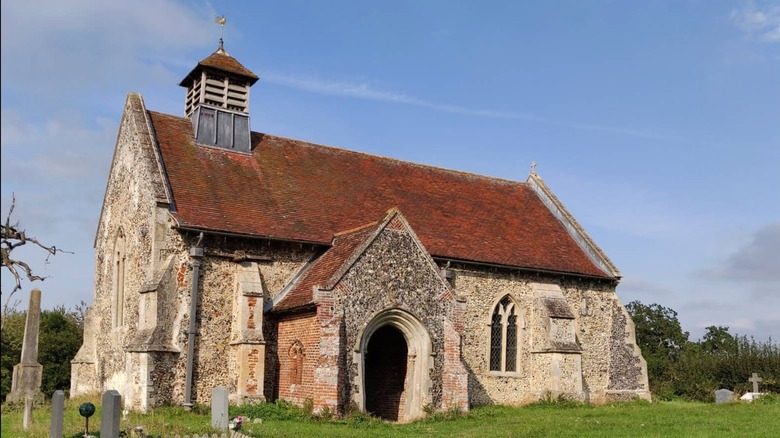
Religious influence around Diss has been strong for centuries, as observed in the plethora of picturesque churches seen about town. One of the oldest is the 13th-century church of St. Andrew, Frenze, located in a field 2 miles outside of Diss. Although a bit remote, its examples of medieval and Tudor architecture, age-old brick, brass memorials, and unique door ring (which offered fleeing criminals sanctuary, if they could reach it) make it worth the short journey.
Another of the oldest remaining religious sites is St. Mary's Church, dominating the skyline with its Perpendicular Gothic architecture. According to Let's Go!, the church was mostly developed in the 14th and 15th centuries, though some features, such as its ornate windows, were added in the 1800s.
Norwich, England's "City of Stories" and a medieval charmer with UNESCO status, is 24 miles north of Diss and has the closest major airport to fly into when visiting. Ipswich, meanwhile, is roughly the same distance south. For more exquisite scenery and medieval history after visiting Diss, take a road trip 25 miles northeast to Beccles, the "Gateway to the Broads National Park," then on to Ludham's St. Benet's Abbey in the park, founded in the early 11th century.