
An Hour From Cork Is Ireland's Charming Coastal Resort Village With Scenic Cliffs, Ruins, And A Sandy Beach
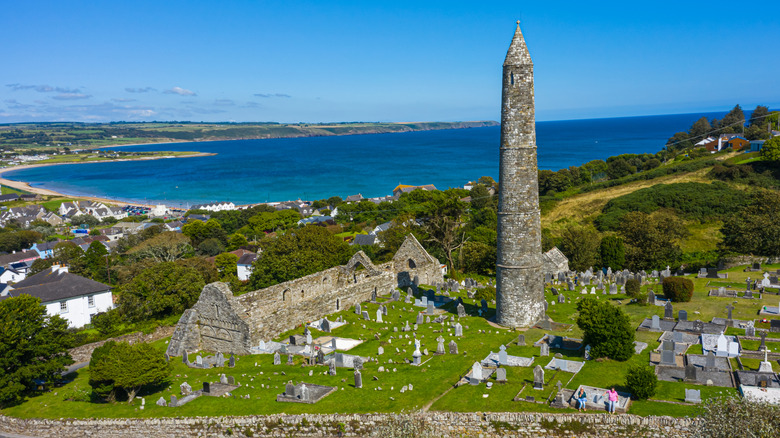
On the rugged and storied coast of Ireland in County Waterford lies Ardmore, a resort village brimming with medieval history and outdoor adventures to be had. From the windswept, sandy beaches to the fascinating ruins, this Irish destination offers a taste of the island's heritage and present beauty.
Ardmore (from the Irish phrase for "great height," perhaps for its towering and jagged cliffs) is located about an hour's drive from Cork in Ireland. If you're taking a bus instead, you should plan for it to take an extra 35 minutes or so. While it takes longer, taking public transit is a fantastic way to connect with locals and get to know the region a little better, in addition to being more sustainable.
However you get to Ardmore, you'll find Michelin-starred food, seaside hiking, and history awaiting in this Irish coastal resort village. Scattered around Ardmore is a collection of sites from various eras and events in history, including the medieval period, the Napoleonic Wars, and World War II. For a dive into the food scene, head to one of Ardmore's fine dining restaurants, a few of which are housed within the Cliff House Hotel. Oceanfront Bar & Restaurant brings on the ocean views and locally sourced ingredients (and seasonal al fresco dining). Meanwhile, the hotel's House Restaurant presents Michelin-starred plates crafted with foraged, locally farmed, and seasonally inspired elements.
Ruins reveal the fascinating medieval history of Ardmore, Ireland
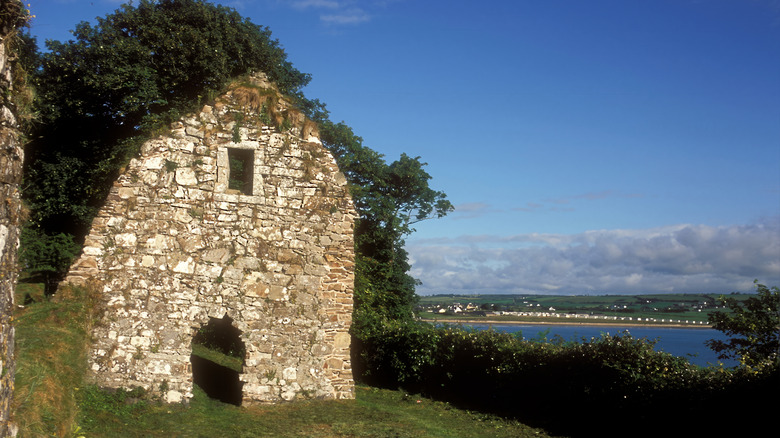
Founded by Saint Declan in the 400s, it's believed that Ardmore is among Ireland's oldest Christian settlement sites. Arriving before Saint Patrick famously did, Saint Declan is known for converting the Déisi people who inhabited the area. There are signs of this history everywhere — Ardmore Cathedral in St. Declan's Monastery dates back to 1170 (though construction finished in 1210). Inside, biblical stories like that of Adam and Eve are told in stone through pictures carved onto the Romanesque arches.
The Round Tower, which is part of the original monastery, is a nearly 100-foot structure. The four windows at the top of the tower point in each cardinal direction. It's one of the best-preserved towers of its kind from the early Christian period. St. Declan's Oratory is on site as well, and it is recognized as the saint's burial chamber. You'll also find a few Ogham stones here, monuments that are carved with the oldest form of writing in Ireland.
When exploring the ruins, it's important to keep in mind the weather and seasonal patterns of Ardmore. Rain is common throughout the year, but being a coastal and northern destination, this Irish locale enjoys mild temperatures year-round (think mid- to high-40-degree temperatures in the winter and 60 to high-60 degrees in the summer). You'll be outside a lot, so layers, comfortable shoes, and waterproof outfits will be important — just try not to make these common clothing mistakes that tourists make in Ireland.
Scenic cliffs and a sandy beach offer outdoor activities in Ardmore
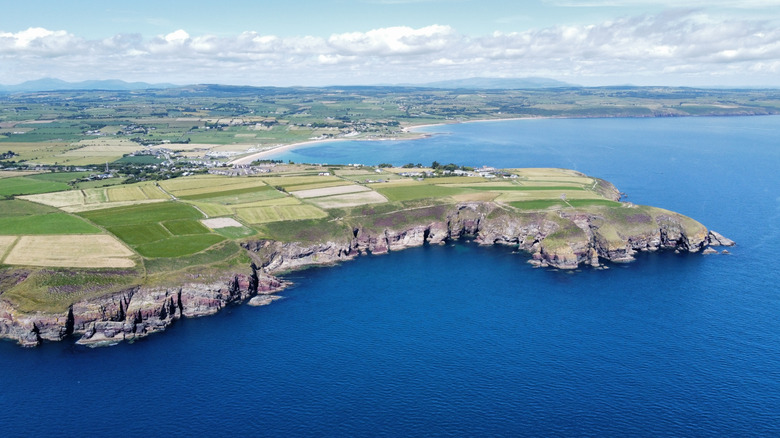
Much like Dunmore East in Southeast Ireland, sandy beaches add to the charm of Ardmore. Soak up the scenery from the shore, or try your hand at birdwatching. For the more adventurous, though, a shipwreck awaits — the Samson wrecked in the 1980s, and today, it serves as a prime scuba diving site. Kayaking is another water-based activity to try if you want a chance to spot wildlife, explore, and get a unique view of Ardmore. It's also a beautiful way to appreciate the famous cliff faces that plunge into the sea.
Back on land, St. Declan's Way is a walking path that starts in Ardmore and ends in Cashel, tracing Saint Declan's journey on his way to meet with Saint Patrick (today, most pilgrims start in Cashel and end in Ardmore). It covers multiple pilgrimage sites that travelers have been visiting for over 1,500 years. If you come on the 24th of July, you'll catch the Pattern Festival in Ardmore, marking the feasting day of Saint Declan with music and festivities — the earliest mention of this holiday can be traced back to 1611, so it's a historic occasion to catch.
For a more leisurely path (and one that doesn't leave Ardmore's borders), try the Ardmore Cliff Walk. You'll start and finish at the Cliff House Hotel, wandering above drop-offs to the sea. Historic sites pepper the route, from St. Declan's Well (believed to have healing powers) to a lookout spot from the Napoleonic Wars. The scenery is similar to that of the coastal resort town of Rosslare.