
Europe's Region With Thermal Spas, Skiing, And Holiday Markets Is The Perfect Winter Getaway
Lower Austria in winter is defined by a gentle kind of indulgence, where serene landscapes, snow-covered mountains, and centuries-old spa traditions create a restorative cold-weather escape. The region is home to several therapeutic thermal spas, including the celebrated Linsberg Asia in Bad Erlach, an adults-only retreat with warm mineral pools, steaming outdoor baths, and a quiet atmosphere ideal for enjoying short winter days. Across the province, towns such as Bad Deutsch-Altenburg carry forward a wellness legacy that dates back to Roman times, inviting visitors to soak in naturally rich iodine-sulfur waters as the cold settles softly outside.
Winter here isn't only about slowing down, it's also about savoring the season. While Vienna and Salzburg often draw the biggest crowds for holiday festivities, Lower Austria offers a more intimate version of the Advent spirit. Smaller towns illuminate their squares with lanterns, and mulled wine met with local handicrafts combine for a festive mood that feels warm rather than overwhelming.
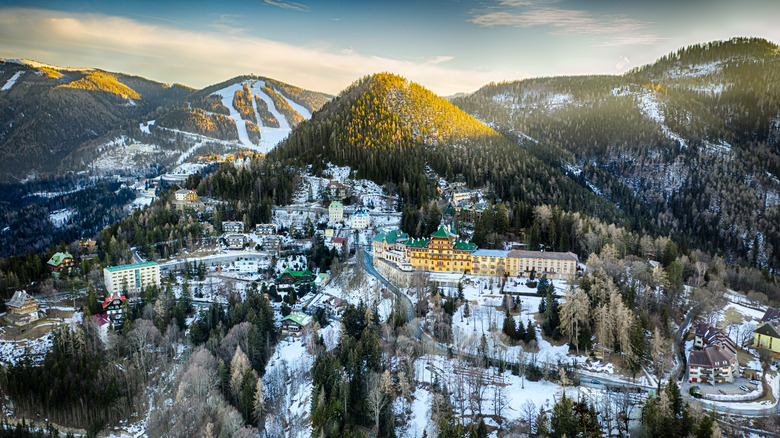
Farther east, the Viennese Alps deliver classic Austrian winter energy around Puchberg am Schneeberg and Semmering (pictured here), where night skiing, historic railway connections, and nostalgic alpine hotels bring a touch of old-world charm. Or you could make your way to Kufstein, which boasts free transportation over 600 miles of trails. Lower Austria's winter landscapes allow you to explore at a slower pace as well. Snow-covered valleys become ideal for gentle winter walks, and the region's villages glow warmly at dusk, welcoming travelers to cozy inns and local cuisine. Between steaming thermal pools, lively après-ski stops, and crisp downhill runs, a winter getaway here feels both refreshing and deeply unhurried: a balance that sets Lower Austria apart from its more crowded Alpine neighbors.
Lower Austria's festive soul: markets, culture, and local flavor
Few places capture the atmosphere of Advent like Lower Austria, where holiday traditions unfold in monasteries, forests, market squares, and castle courtyards lit with lanterns and lined with handcrafted goods. More than two dozen Christmas markets illuminate the region, each offering its own blend of calm, charm, and winter magic. One of the most memorable is the Johannesbach Gorge Advent Market near Würflach, set deep within a dramatic ravine crowned by what is said to be Austria's tallest decorated Christmas tree. Wander between glowing stalls and open fires as artisans demonstrate time-honored crafts like glassblowing, woodturning, and metalwork beneath towering cliffs and forest silhouettes.
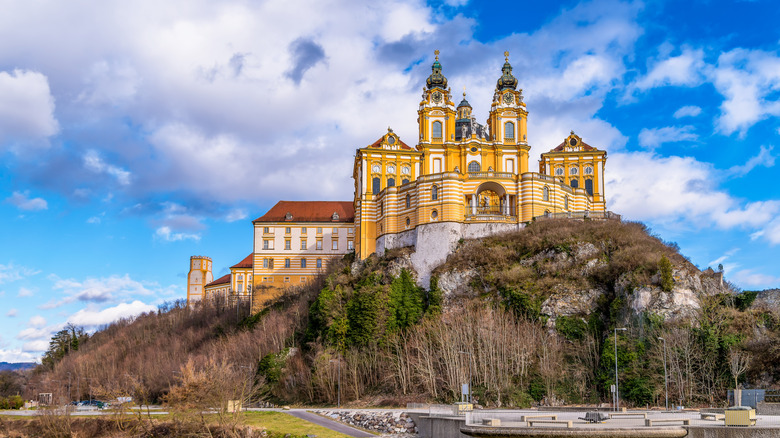
Lower Austria's cultural landscape deepens the seasonal atmosphere. Baroque masterpieces such as Melk Abbey (pictured) and grand estates like Schloss Hof transform into elegant winter settings with festive exhibitions, concerts, and illuminated courtyards. For Italian vibes without the crowds, Villach waits with postcard-worthy views. Castles including Rosenburg, Schallaburg, and Grafenegg brighten their façades for the season, hosting events that highlight the region's artistic heritage. In St. Pölten, contemporary culture blends seamlessly with classical influences, adding a modern flourish to winter travel. Meanwhile, the abbeys and monasteries of the region open their doors to quieter winter tourism, inviting visitors to explore ornate libraries, frescoed chapels, and monastic courtyards dusted with snow.
After exploring markets and historic towns in the crisp air, visitors often warm up in traditional inns and mountain huts. Regional dishes like goulash, schnitzel, and dumplings pair beautifully with wines from Lower Austria's celebrated vineyards, offering a comforting finish to days spent wandering through festive landscapes.
Making the most of winter in Lower Austria
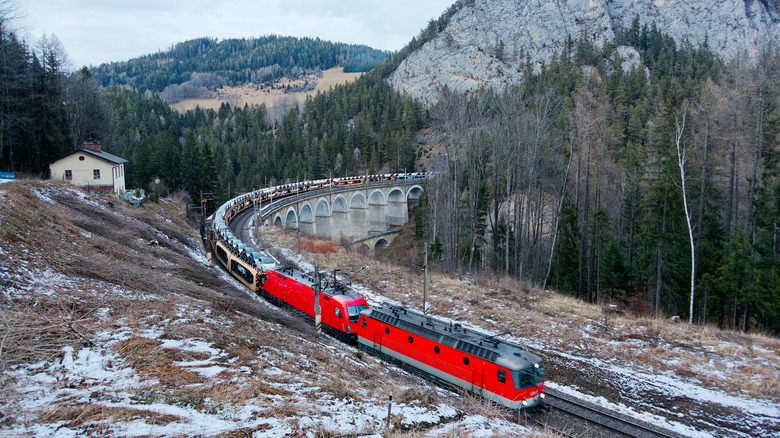
Reaching Lower Austria is pleasantly simple thanks to its proximity to Vienna and its efficient transportation network. Most travelers arrive via Vienna International Airport, with trains and rental cars offering direct access across the province. The historic Semmering Railway, a UNESCO World Heritage site, remains one of the most atmospheric ways to approach the snow-covered mountains, winding through 19th-century viaducts and tunnels.
This is also where the region's winter sports scene comes into focus. The Mostviertel region offers a diverse range of ski areas, each with its own style. Hochkar, the highest and most snow-reliable mountain in Lower Austria, draws skiers seeking dependable powder and wide-open ridge views. Lackenhof-Ötscher blends family-friendly terrain with scenic forest runs ideal for mixed-ability groups. Annaberg caters to beginners and relaxed cruisers with gentle slopes and a welcoming village feel. By contrast, Gemeindealpe Mitterbach attracts advanced skiers with steep pistes, freeride zones, and an energetic après-ski scene.
Farther east, the Viennese Alps deliver classic alpine charm around Puchberg am Schneeberg and Semmering, where night skiing and nostalgic hotels add to the winter mood. Trails for winter walking and snowshoeing stretch across the region, offering peaceful ways to enjoy the landscape at a slower pace. For many, Lower Austria's greatest appeal lies in its balance: active days in the mountains followed by slow evenings in warm spas, festive markets paired with quiet medieval lanes, and historic architecture softened by the hush of winter. It's a destination that allows you to savor the season peacefully, deeply, and with a sense of timeless Austrian charm.