
This US National Park Is The Best To Visit In Winter (And It's Not Everglades Or Death Valley)
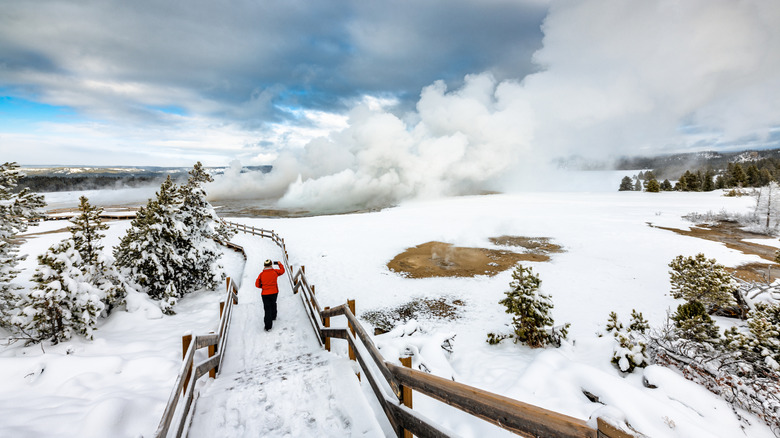
News flash: Yellowstone National Park is open all winter, (even NPS enthusiasts may not know this). The name "Yellowstone" conjures images of warm-weather hikes, yet you can ski and snowshoe its 1,100 miles of established trails. We think of thermally-heated "mudpots," but they continue to steam and bubble through the snow. We imagine photographing herds of bison tromping through grasslands, yet these mammals are well adapted to cold weather, as are bighorn sheep, moose, and pronghorn, which roam the snowy bluffs all winter long. There are good reasons why the best times of year to visit Yellowstone National Park may be spring and early fall, but for snow-loving cold-weather adventurers, Yellowstone is the top destination.
In fact, after surveying esteemed travel experts, Travel+ Leisure recently recognized it as the best national park to visit in winter — and AAA agrees, naming it on its Top 7 best national parks in winter in 2024. This may come as a surprise, as many of us think of warm-climate destinations like Death Valley National Park in Nevada or Everglades National Park in Florida, as they're especially pleasant in the cooler months. Yellowstone, though, personifies the season. Cold, vast, and blanketed in white powder, this is the national park for people who want to experience a winter wonderland.
Note that "best" doesn't mean "most-visited." The most popular parks in winter include Joshua Tree, Lake Mead, and the Grand Canyon, destinations with milder climates that attract millions of tourists between November and April. A frozen Yellowstone comes with challenges, but for many visitors, fewer folks is a boon: You can feel like you have these 2.2 million acres of protected land all to yourself, the peacefulness enhanced by a quiet natural landscape covered in picturesque snow and ice.
Winter attractions and advice in Yellowstone
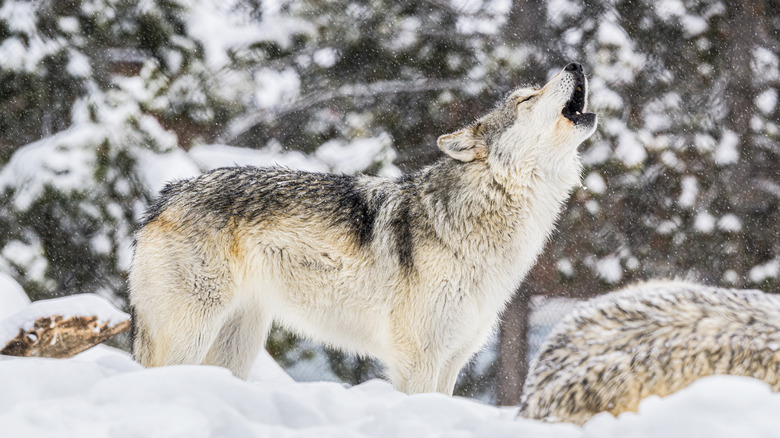
The park is technically always open, and much of its famous wildlife remains active throughout the year. Nearly 100 wolves live in Yellowstone, and the winter terrain is ideal for observing the 10 packs. Elk graze on tufts of grass, and many birds, like hawks and owls, are more easily spotted in the leafless tree branches. A wonderful way to witness with the wildlife and take in the natural beauty of winter here is by snowshoeing and cross-country skiing over the snow-laden trails. These activities don't require a permit and you can use your own gear, but there are dozens of guided tours that also rent equipment and cater to certain experiences in the park.
Since much of the park is closed to cars in winter, the snow-packed roads become paths for snowmobiles, and Yellowstone becomes a wide-open playground for high-octane motorized exploration. You can book guided excursions or venture out on your own snowmobile. Independent snowmobilers must be 18 or older and receive a special permit before motoring in the park. Available on Recreation.gov, the permit costs $40 per day and is issued on a lottery system.
Prefer a chauffeur? The Yellowstone "snowcoach" is a mammoth motor vehicle with treaded tires and a heated interior that can roll smoothly over snow and ice. This time of year, the snowcoach tour is the only way to visit Old Faithful, the park's world-famous geyser; the jets of water and steam form ethereal patterns in the frosty air. Many of Yellowstone's sights are even more striking in the white winter landscape: The thermal waters of Firehole Basin gush silver plumes into the air, and the legendary Upper Falls partially freezes into veils of ice, the most majestic view in Yellowstone's Grand Canyon. All of these can be visited from the Old Faithful Snow Lodge.
How to get to Yellowstone and where to stay
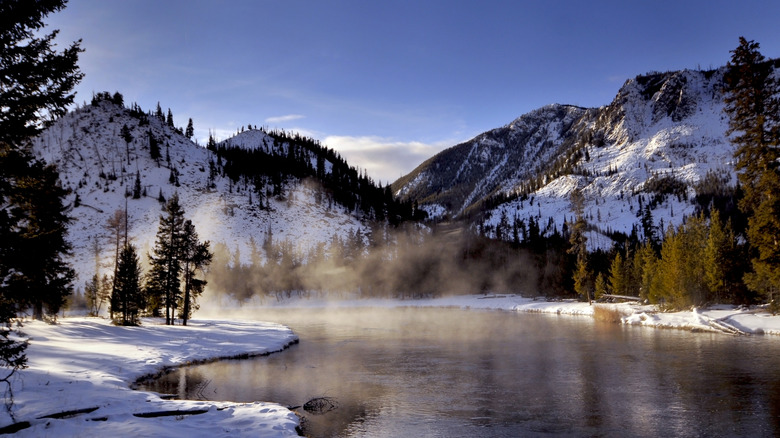
Yellowstone has two accommodations open through March 1 and 2 (respectively): Old Faithful Snow Lodge and Mammoth Hot Springs Hotel. Reservations get competitive, so reserve well in advance. There are also accommodations in Yellowstone gateways towns, where you can enjoy dog-sledding, horse-drawn sleigh rides, and soaking in hot springs. If you want to really rough it, reserve a tent site at Mammoth Campground. Located just 5 miles past the park's north entrance, you're within hiking (or skiing) distance of Mammoth Hot Springs. Be aware that winter temperatures routinely fall below zero degrees Fahrenheit, so campers should bring properly rated sleeping bags and winter tents. No matter what month you visit, here's what you should know before camping in Yellowstone National Park.
You can legally enter Yellowstone any time of day or night. If you don't have an America the Beautiful national parks pass, the standard pass costs $20 per person, with free winter entry on Presidents' Day for U.S. citizens and residents. Of the park's five public entrances, only the North (Gardiner) Entrance is open to automobiles all winter, and the road from the North to the Northeast Entrance (Cooke City/Silver Gate) is the only corridor maintained for driving. You can check road status on the National Parks website.
The closest airports are both in Montana: Bozeman Yellowstone International, about a 2-hour drive to the North Entrance, and Billings-Logan International, about three hours away. Yellowstone's own regional airport (WYS) isn't open in winter. You'll almost certainly have to drive to Yellowstone, so snow tires and AWD vehicles are strongly recommended. Be sure you're geared up with appropriate outdoor winter adventure attire. There's a lot of fun to be had, but underprepared visitors are one reason Yellowstone ranks among the national parks with America's highest death rates.