
Arizona's Dazzling Desert City Is America's Best Winter Adventure Getaway Destination. Here's Why
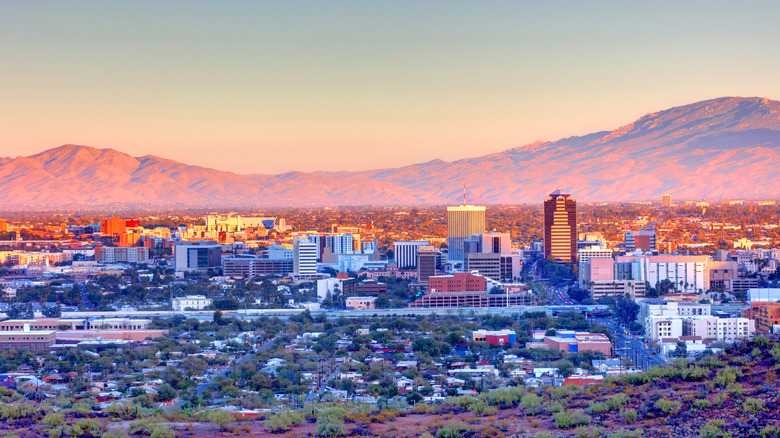
Driving through Arizona's dry scrublands, you'll find a hotspot with year-round sun 112 miles south of Phoenix and 69 miles north of the Mexican border. A compact desert city cocooned by mountains begging to be climbed, with average highs of around 68 degrees Fahrenheit in winter that tend not to fall below 55. Tucson is considered the 29th-best city for an active lifestyle by WalletHub, out of 100 U.S. cities, but it takes the top spot when it comes to the best hiking and camping getaways, according to Extreme Terrain.
The site compared 61 cities across the country, looking at factors like the average temperatures and trail quality, and Tucson surpassed traveler favorites like San Diego's peaceful hiking trails and the mindful escapes of Sedona. With 262 routes to explore, and fun campgrounds like Camp Saguaro on the west side of town and KOA Resort in the southeast, it's no surprise this usually-underrated city is getting much-deserved recognition.
The downtown skyline features the iconic A Mountain behind glinting skyscraper windows that reflect pink and orange sunsets and dazzle anyone flying into Tucson International Airport, around 20 minutes away from downtown. Whether you're a snowbird looking to avoid your own icy state in winter or a weekend visitor ready to hit the ground hiking, Tucson's temperatures are a real selling point for those with the dreaded seasonal depression. With a sun-scorched ground level and an Alpine-esque ski resort on Mount Lemmon, an hour's drive from Eastside, you could quite literally experience all four seasons in one day.
Winter rays on saguaro-covered trails
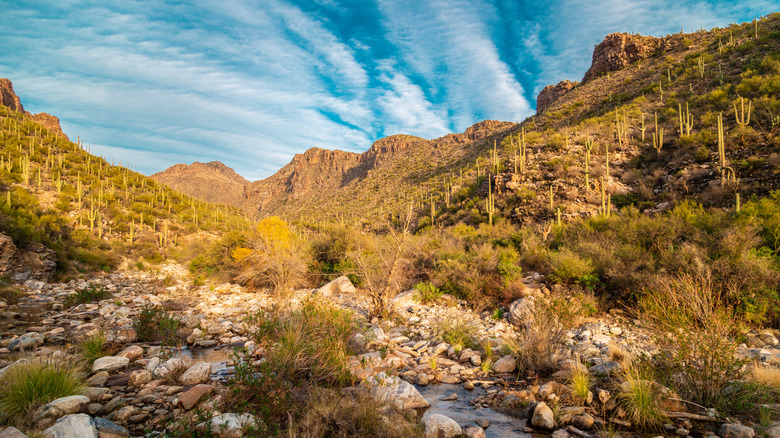
Summerhaven on Mount Lemmon is where many Tucsonans seek a reprieve from the heat, with temperatures 20 to 30 degrees lower than in the city. In winter, that means you could be climbing 8,200 feet from desert ranches to snow-smothered lodges, making Tucson a dream destination for anyone who wants to enjoy ponderosa pines and mitten-weather, with saguaros and sunshine a short drive away.
Mountain ranges surround the city, and outdoor adventures abound from base to peak. Some of the best hikes start from Sabino Canyon. Park at the visitor's center for $8 and pick your difficulty level; the electric shuttle carries you to the top of the 7.4-mile paved path for a low-effort day out, or you can try what AllTrails deems the best hike: Bear Canyon to Seven Falls. This moderate out-and-back 8.4-mile route takes around 4 hours, but the views are worth every sweaty step. Be warned, Tucson's winter sun is deceptive, so start early, carry water, and wear sunscreen — but also bring layers. Richard Hounshell of the Southern Arizona Rescue Association told KOLD13, "You can be hiking in nice 75-degree weather in the winter ... then the temperatures can plummet as soon as the sun goes down."
The paved Tumamoc Hill trail is steep and usually busy, but it's another great viewpoint showcasing the mountain ranges and glittering downtown lights of the Old Pueblo. Only 10 minutes away, Tucson Mountain Park offers 20,000 acres of desert for mountain biking, wildlife spotting, and crested saguaro hunting, and you can recharge overnight at nearby Gilbert Ray Campground on one of 138 reservable tent and RV sites. Don't fall asleep before you look up, though; Tucson may be America's best winter adventure spot, but it's also one of the world's best stargazing destinations.