
The Big Changes Coming To Grand Canyon's Iconic Havasu Falls Permitting System In 2026
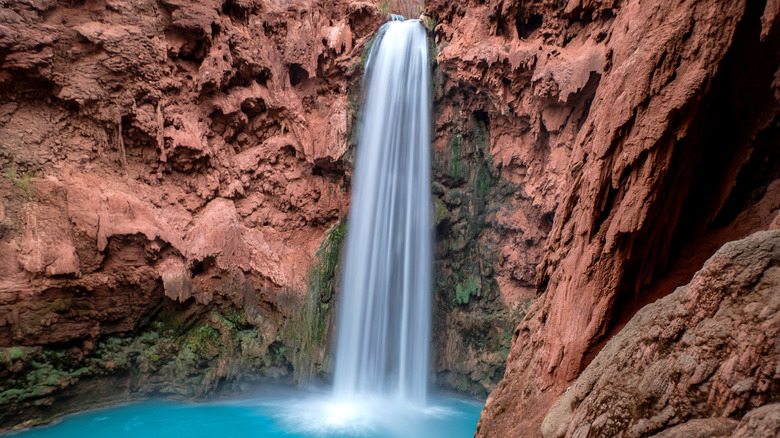
The multi-day trek to the Grand Canyon's beautiful Havasu Falls is one of the most iconic hikes in the country. It's a challenging adventure that requires training for most. And thanks to big changes coming to the site's permitting system in 2026 — including a new policy that will allow travelers earlier-than-usual access to reservations — it's a trip all visitors will want to carefully plan in advance.
First, a bit of background: The ethereal Arizona waterfalls are a series of turquoise-hued cascades located in the remote Havasu Canyon, fed by the Colorado River. While it's technically a side canyon on the south side of the Grand Canyon, it's not part of Grand Canyon National Park, so it's not managed by the National Park Service. Instead, the canyon is part of Arizona's Havasupai Tribe Reservation. The name Havasupai means "people of the blue-green waters," and the Havasupai Tribe has inhabited the area for more than 1,000 years. Today, many tribal members live in the Havasu Canyon's Supai Village, managing access to the region's trails and waterfalls.
For visitors, gaining that access is somewhat tricky. You can't go without a three-night, four-day permit bundled with a camping or lodging reservation issued by the Havasupai Tribe. So what's new about visiting Havasu Falls in 2026? In short, the official season for Havasu Falls runs from February through November, and as of January 21 through January 31, 2026, you can score early access by paying an extra fee of $40 to $160, depending on the accommodation type.
Plan a trip to the gorgeous Havasu Canyon
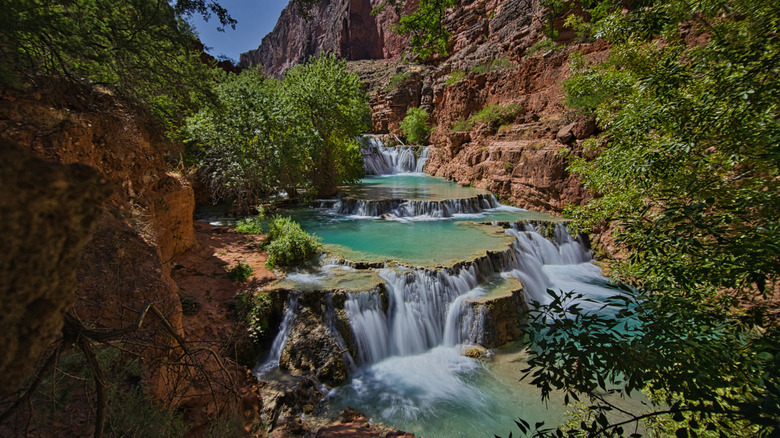
What's the reason for the change? According to the National Park Service — which has a webpage with updated reservation information — it has to do with high demand. "There are many more reservation requests than available campground spaces," says the NPS. "The impact of visitors in the canyon, 2018 flood damage, and the cost of maintaining trails and visitor services has been overwhelming." Allowing early access may make the system feel more competitive for travelers. But if you're a planner, the policy gives you a better chance of scheduling a trip on your desired dates — and the fees help the tribe maintain the land.
Even without extra fees, staying on the reservation isn't cheap: a tent site at the campground goes for $455 for three nights, or $495 with the early access fee. Accommodations in the lodge are even pricer: a room that sleeps up to four costs $2,377 for three nights, or $2,437 with early access. But past hikers say it's worth it. "I have no words for the sheer beauty of this place," wrote one recent visitor on AllTrails. "Breathtaking beauty all the way," said another. To book your adventure, visit Havasupai Reservations.
As the National Park Service notes, the reservation lands are a "fragile environment" subject to flash floods, and the tribe may close the canyon at any time. Luckily, there's another visitor-friendly update to the reservation's cancellation policy: unlike in the past, the Havasupai Tribe will allow partial refunds if your plans change more than 90 days before your booked stay. If you love the idea of Havasu Falls but you're planning to visit Grand Canyon National Park instead, check out Elves Chasm, a lush hidden grotto that's one of the park's best-kept secrets.