
Nestled In Idaho's Mountains Is A Remote Forest Haven With Gorgeous Lakes, Rivers, And Rugged Wilderness
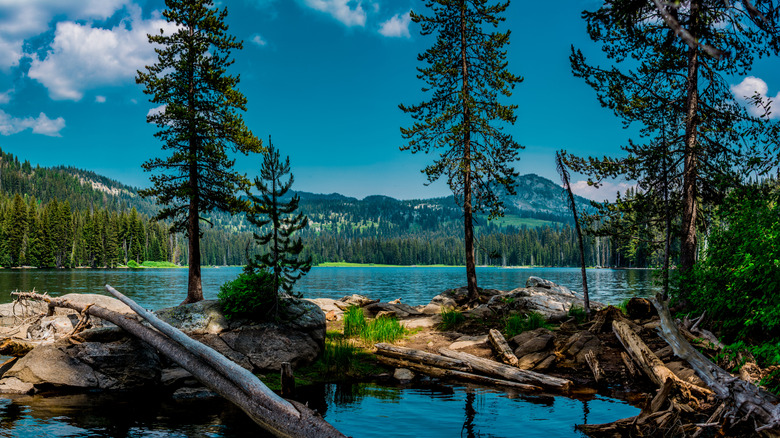
In the mountains of west-central Idaho, where woodlands and alpine lakes converge, sits a stunning sprawl of public land. Called Payette National Forest, it covers 2.3 million acres, almost twice the size of Delaware. The Payette features prominent summits like North Loon Mountain at 9,324 feet, access to the quiet trails of the Frank Church-River of No Return Wilderness, and the deepest canyon in America, straddling the Idaho-Oregon border.
Many travelers come to the forest for the water. There are around 400 lakes and reservoirs and up to 4,000 miles of fish-bearing streams. Campgrounds provide access to swimming areas, boating ramps, and fishing docks. Payette also hosts a number of mountain ranges: Seven Devils, the Cuddies, the Hitt Mountains, and Columbia Plateau in the west, and the Bitterroots in the east. These offer some excellent hiking opportunities. You could traverse windy ridges and lush mountain slopes in the Seven Devils, or wander along the Columbia Plateau, which leads all the way to the Channeled Scablands in Washington, where Ice Age floods hacked the basaltic land into deep channels known as "coulees."
If you'd prefer to admire Payette National Forest's verticality without breaking a sweat, drive along one of the scenic roads wending through the passes and valleys. Another alternative way to see the forest is via snowmobile or a ski tour in the backcountry in winter. Or you can hit the 500 miles of motorized biking tracks once the snows thaw in spring.
Cool Waters in Payette National Forest
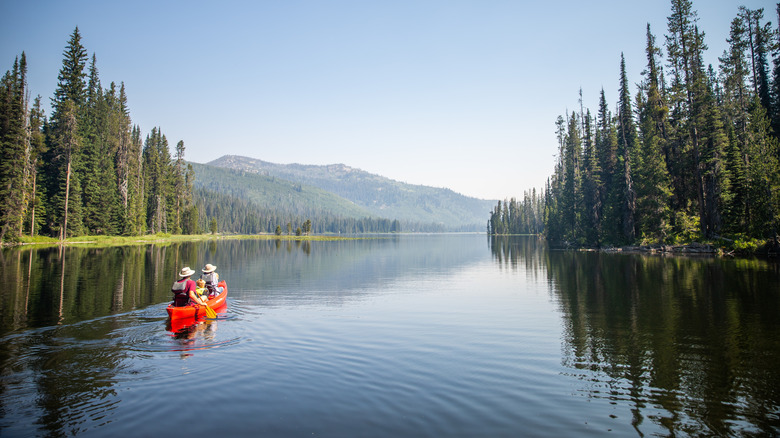
For a relaxing lakeside escape, consider pitching a tent at Upper Payette Lake Campground, which has scenic picnic areas and access to trails shaded by stately spruce and pine trees. Sitting at the foot of the Salmon River Mountains, Upper Payette is a no-wake lake, so it's a great spot for spending languid sunny afternoons paddling through the water. The campground's open season runs from July to early September.
Idaho is known for its trout-fishing paradises, and for that reason many anglers toss their lines into Payette National Forest's Boulder Lake — even though accessing it requires a bit of a hike. The four-mile roundtrip from Boulder Meadows Reservoir features steep, rocky switchbacks and more than 700 feet of elevation gain. Boulder Lake is home to populations of rainbow and cutthroat trout while, according to AllTrails, its namesake trail is ranked as the best fishing trail in the Payette National Forest. From Boulder Meadows, you can also hike all the way out to Rapid Lake, which is about 7.5 miles out and back. The serene alpine lake setting, surrounded by rolling mountain peaks smothered with evergreens, is the reward for your exertions. There are few finer spots in the forest to have a picnic.
Rapid River is considered one of the prettiest places to explore in the forest. Hike the trails along the river corridor in spring when it's abloom with nodding wildflowers. And be on the lookout for wildlife, from the endangered Chinook salmon and bullhead trout in the river to the deer, black bears, and raptor birds of the forest.
Exploring Payette's Rugged Wilderness
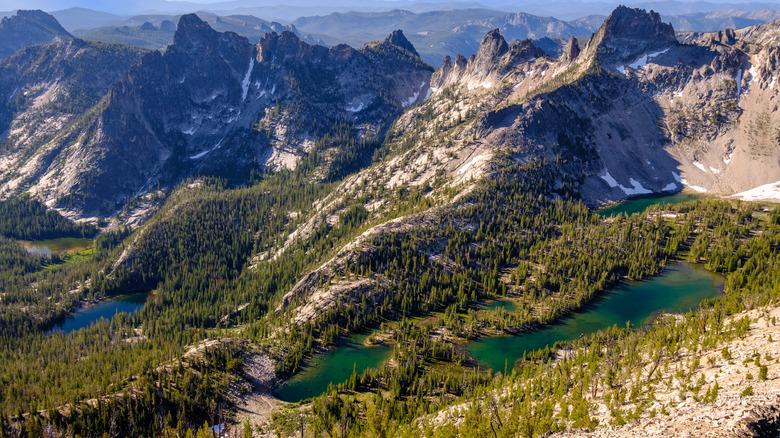
There are 2,000 miles of trail in Payette National Forest, with established hiking networks running through some of its most rugged wilderness. There are a few short trails in the Seven Devils, which bring you to awesome viewpoints with very minimal effort. There's also a challenging, 19-mile Seven Devils Loop Trail, which connects to the Hells Canyon Wilderness Area.
In terms of sheer wow-factor scenery, Hells Canyon is hard to beat. Dropping nearly 7,000 feet into the river valley below, it's the deepest canyon in America, carved out over aeons by the meandering Snake River. The easiest way to access the canyon is by floating — several companies offer boat tours. Alternatively, lace up your hiking shoes and get ready for a multi-mile, perhaps even multi-day, expedition over the gnarled landscape. One route for seasoned hikers is the 20-mile hike from Pittsburgh Landing, where there's also a campground.
Payette also allows you to access one of America's largest federally designated wilderness areas, the Frank Church River of No Return Wilderness, or the "Frank" for short. The area covers 4 million acres, hosts more than 170 named peaks, and engulfs the eastern portion of the Payette National Forest. The 26-mile Big Creek Trail is typical of the immense scenery in this wild corner of Idaho. The land is buckled and warped by craggy mountains, lakes filling up the divots and fissures, a smattering of grassy plateaus and canyon passes, with isolated campgrounds shrouded in mist. You'll also get access to numerous other criss-crossing trails here. It's the ideal way to get out and explore the atmospheric tracts of Payette backcountry.