
How To Get Through Your TSA Check With A Heart Monitor On
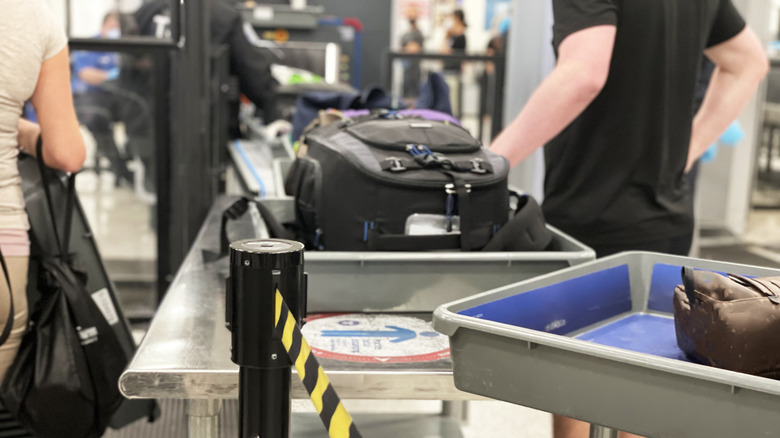
If you're like many travelers, the TSA security line causes you stress. There are all sorts of TSA dos and don'ts to learn, and certain airports are inconsistent with TSA rules like whether or not you can leave your shoes on or keep your laptop in your bag. Airport security can be really frustrating, but you can usually get through it with few issues. However, if you're wearing an external heart monitor, knowing what to expect and the accepted procedures can save you a lot of worry. Unlike the changing regulations about liquids and footwear, the Transportation Security Administration has set rules for external medical devices. You need to let the officer know that you're wearing one, and either go through the Advanced Imaging Technology (AIT) millimeter wave scanner (you know, the one where you hold your arms up in the air), or have a manual pat-down screening. You may also want to have your documentation on you, especially for a heart monitor.
External heart monitors are often worn for up to a month to address heart concerns. However, you may need to fly during that time. Metal detectors can interfere with these devices, though in many cases you'll be fine as long as you don't pause as you walk through for more than a few seconds. Still, it's important to have a discussion with your own medical team before you leave, and let the TSA agent know before your screening.
Going through the TSA checkpoint while wearing a heart monitor

If you're flying while wearing an external heart monitor, you have a few things to do before you head to the airport. First, consult your doctor to find out if your specific device has any special instructions. Let them know that you'll be traveling in case you need assistance while away from home. You should also ask them for any required medical documentation, and always travel with your medical ID. You may also want to bring extra medication if needed in case of any travel delays.
According to the TSA website page for External Medical Devices, when you get to the front of the security line, you should let the TSA agent know that you're wearing a heart monitor and/or fill out their disability notification card here. If your device cannot be disconnected safely, you may be subject to further screenings.
The medical website Abbott suggests you ask to use the AIT scanner (here is information on what they actually show). However, if you don't feel comfortable doing that, or if, as the TSA's Disabilities and Medical Conditions page states, you're unable to stand and walk unassisted through the AIT scanner and stand in the required position, you can ask to have a pat-down screening. If a wand must be waved over the device, let them know to move it over the monitor quickly. With a little extra preparation and patience, you can safely travel through airport security with your heart monitor.