
Midwestern Airports At Risk Of Possible Shutdown As Security Staffing Hangs In The Balance
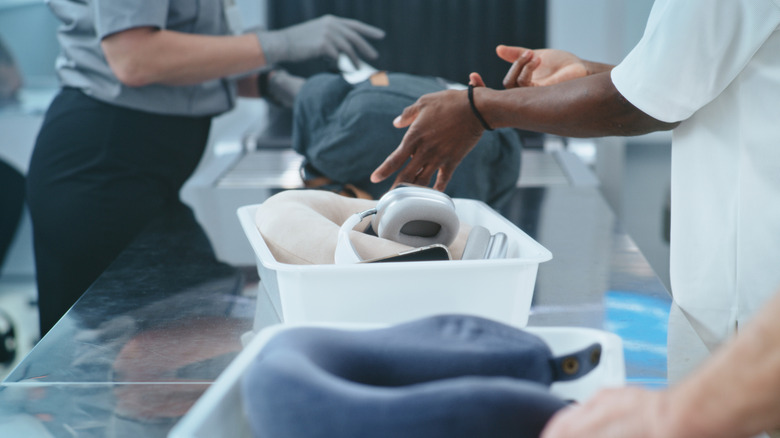
Several smaller airports across the Midwest could face disruptions — and in some cases, potential temporary closures — as a partial U.S. government shutdown affects Transportation Security Administration (TSA) staffing levels. The shutdown began in mid-February 2026 after Congress failed to approve funding for the Department of Homeland Security, resulting in TSA officers working without pay. This financial pressure has caused increased staff absences and call-outs, leading to longer wait times at airport security checkpoints.
Acting Deputy TSA Administrator Adam Stahl said in an interview with Fox & Friends that smaller airports are the most at risk of closure. These facilities, often classified as "small hub" airports, account for 0.25% or less of the nation's commercial passenger boardings and typically operate with lower staffing levels. While no closures have been formally announced, several Midwestern airports fall into this category, including Dane County Regional Airport in Wisconsin, Springfield-Branson National Airport in Missouri, Joe Foss Field in South Dakota, and Hector International Airport in North Dakota.
The impact of TSA staffing shortages on travelers
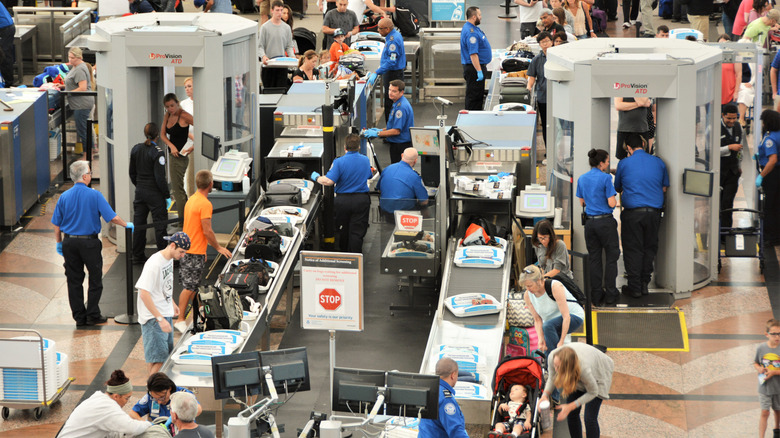
For travelers, the most immediate impact is wait times at security checkpoints. Those flying through smaller Midwestern hubs may want to plan for extra time at the airport; fewer TSA officers helping everyone get through airport security means travelers should arrive earlier than usual in order to get through the lines. Michael Riechers, director of marketing and communications at Dane County Regional Airport, recommends travelers arrive at least two hours before their departure, according to The Cap Times.
TSA wants travelers to know that, rather than simply not showing up to work, the financial strain of not receiving their paychecks is what keeps some employees at home. "We're talking about parents who cannot afford childcare," TSA officer Joseph Cerletti explained to ABC7. "We're talking about officers who cannot put gas in their cars to make it to work."