
5 Once-Thriving '60s Honeymoon Destinations That Are No Longer As Popular
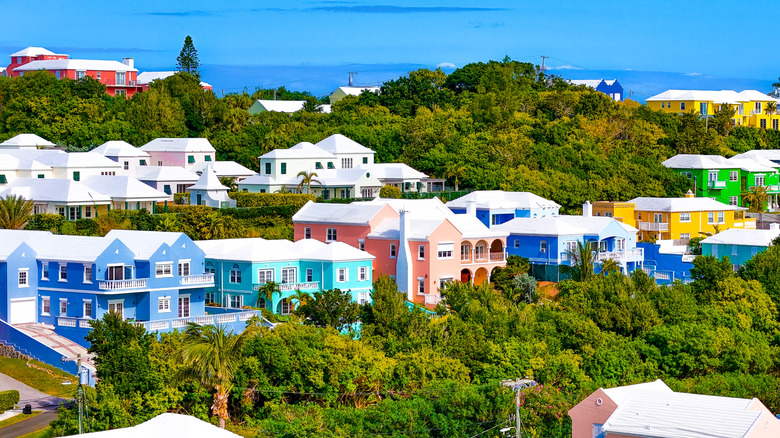
If The Beatles were still in the charts and Mary Quant's miniskirts or cable-knit sweaters were still the fashion items du jour, where would you go for a honeymoon? If you've ever found yourself asking such a question, this guide picks out five places that reigned as big-ticket destinations for newlyweds back in the '60s, only to find themselves floundering in the eyes of amorous duos later on.
It's a selection inspired by research across a range of publications in the travel, honeymoon, and general tourism niche, followed by more in-depth, destination-specific research into each place chosen. The result is a handful of spots that might now be faded glory, but were once hallowed ground when it came to those all-important post-wedding trips. You won't find any of the most popular honeymoon destinations that couples are booking in 2025. Instead, it's mainly blasts from the past, ranging from romantic mountain ranges in Upstate Pennsylvania all the way to glitzy subtropical islands set far out in the Atlantic Ocean.
The Poconos, Pennsylvania
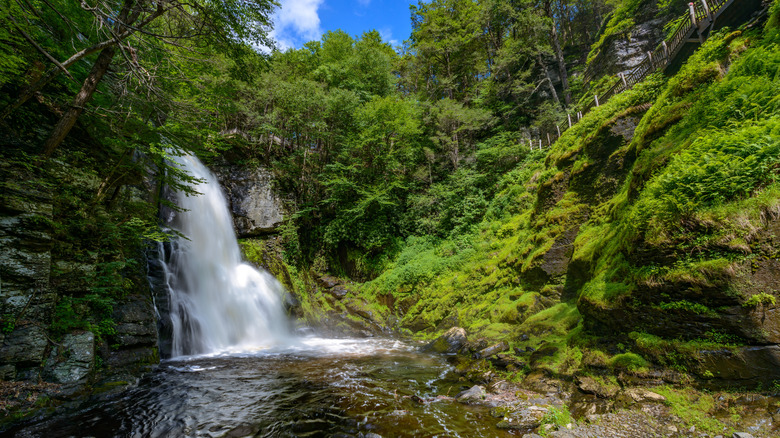
The erstwhile honeymoon destination of choice that came up time and time again during research was Pennsylvania's Poconos. This forest-clad mountain chain in Northeastern Pennsylvania was once known as the "Honeymoon Capital of the World," and came speckled with more honeymoon-themed resorts and loved-up hotels than you could shake a snow globe at. It managed to hold that reputation right up until the 1980s, when the just-married crowd was suddenly wooed by more exotic climbs.
There's evidence of the decline throughout the Poconos, including the once-thriving Summit Honeymoon Resort that's now an abandoned, eerie relic of its former glory. A Reddit thread on the r/Poconos subreddit is packed with glimpses of what's inside — heart-shaped hot tubs here, an age-faded shagpile carpet there, and overgrown gardens. Truth is, the Summit is just one example of many similar places that were left totally abandoned in the wake of the Poconos's decline; a testament to a bygone era.
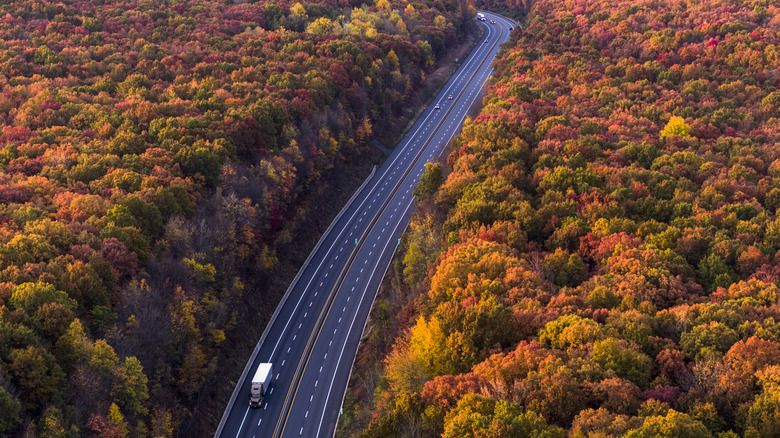
But there are other reasons to visit this corner of the Keystone State. Poconomountains.com, the official tourism website of the region, presents this destination as a haven for "nature-filled activities," listing whitewater rafting, hiking, biking, and lake beaches aplenty. It's also worth noting that the Poconos are dotted with ski resorts, from the dual-mountain terrain of family-friendly Jack Frost Big Boulder to the 39 slopes on offer at Camelback Mountain. The fall foliage is also said to be spectacular in October.
Niagara Falls, United States & Canada
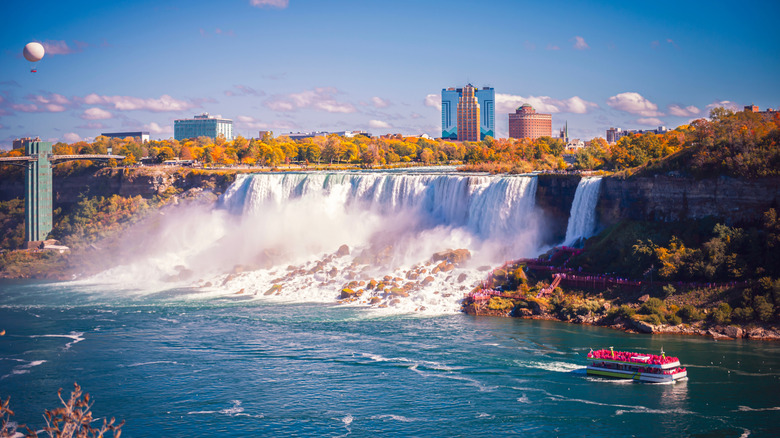
Niagara Falls was lauded as one of the world's first great honeymoon getaways as far back as the 1800s. Within the first few decades of the 1900s, Niagara Falls drew in the brother of Napoleon Bonaparte, along with towering figures in U.S. politics, for post-wedding trips. By the 1900s, the place had even garnered the nickname the "Honeymoon Capital of the World", similar to the Poconos, and a steady stream of A-list celebs followed suit, including Marilyn Monroe for the filming of the romantic thriller "Niagara" in 1953.
Then came the '60s, which saw Niagara's honeymoon prowess continue unabated. A couple perched on the side of a rock were photographed in Bride & Home magazine in 1964 next to the tagline "it mostly rains confetti in Canada's Niagara Falls." Another vintage news piece from the New York Times reveals that the U.S. side of the falls was still ranked in the top five honeymoon destinations in the country by the end of the decade, just behind the likes of Florida, California, and — of course — the Poconos.
But when did Niagara fall out of popularity? The infamous Love Canal Tragedy is thought to have kick-started a downturn here, when it was revealed that almost 22,000 tons of toxic chemicals had been dumped in a local neighborhood. Others say that it happened more naturally; that Niagara Falls simply started to favor day-trip travelers and family travelers more than honeymooners, largely because newlyweds turned their attention more to luxury travel and international destinations.
Bermuda
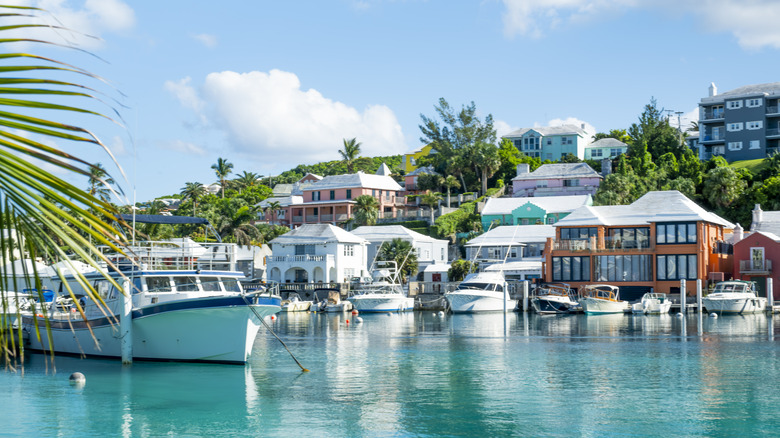
"The sun is warm. The crystal clear water is inviting. The soft sandy beach stretches on and on." So reads a British ad for travel to Bermuda from the 1960s, promoting the pros of an island paradise that was already proving popular with loved-up American couples. Indeed, this island awash in the Atlantic Ocean had been a mainstay of honeymooning folk from the U.S. since the end of World War II, when it had hosted a steady stream of young GIs, many of whom would be enchanted enough to later return for their post-marriage R&R.
It's easy to see why Bermuda was such a doozy of a honeymoon hotspot. First, it has beaches worthy of a postcard, some of them even tinged with a touch of pink sand. Second, it offered beautiful lodgings back in the day, such as the grand Hamilton Princess, an iconic hotel known as the "Pink Palace" that's been around for well over 100 years and still offers luxury — there's even a private marina for guests who arrive by yacht! But perhaps the array of things to do on a quick romantic couple's getaway in Bermuda was what attracted honeymooners, from meeting the local wildlife to rum tasting at the distilleries.
But none of the above has been enough to stem a clear decline in Bermudan tourism more generally, not just among the honeymoon crowd. A local hotelier, talking to the Independent in 2013, summed it up with striking numbers, "There were 13,000 hotel beds in 1987, and there are just 3,000 now." Even the more recent official statistics bear that out, showing that air arrivals to the island nation were down over 7% from 2024 to 2025.
Acapulco, Mexico
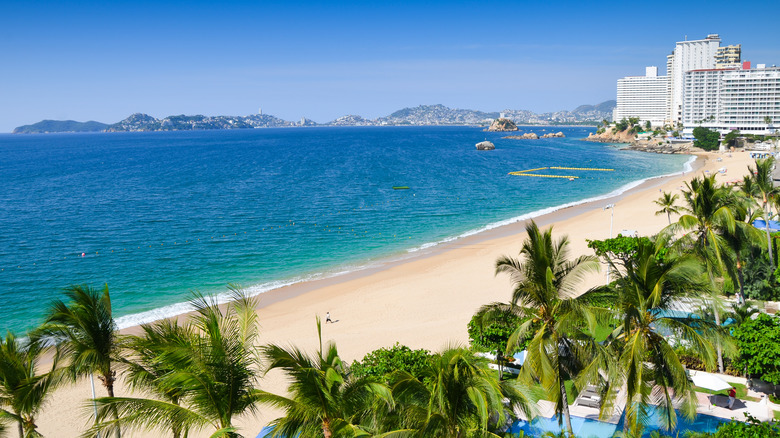
Acapulco shot to fame when it became a playground for Hollywood stars in the '50s, when the likes of gun-slinging John Wayne and Carry Grant would scoot down to the Hotel Los Flamingos, breathing life into what was to become one of the first true Mexican beach resorts. Indeed, Lonely Planet has dubbed Acapulco "Mexico's original party town," making it hardly a surprise that Acapulco fast became ground zero for A-lister honeymooning, too — even JFK and Jackie Kennedy whizzed down for some R&R after getting hitched!
The town has plenty going for it; there's no doubt about that. Let's take the beaches as an example. Hit Caleta Beach to see where the jet-setters used to kick back during Acapulco's golden age, or hop a boat out to the Isla Roqueta in the Pacific to enjoy secluded coves and snorkeling in the reefs. Then there's the nightlife, which includes vintage hangouts like Baby O's, a 40-year-old club that's seen big stars grace its stages, and The Palladium, a pumping dance bar with panoramic views of the coast.
But things went awry somewhere along the way. A surge in cartel violence around the turn of the millennium led to a collapse in tourism numbers. The statistics show that there were consistently over 300,000 foreign visitor arrivals to Acapulco each year before 2001, compared to around just 100,000 since 2009. Meanwhile, commenters on the r/Mexico subreddit say it was a case of attention turning to other, more-upcoming Mexican beach towns, such as Cancun and Cabo.
Jersey, United Kingdom
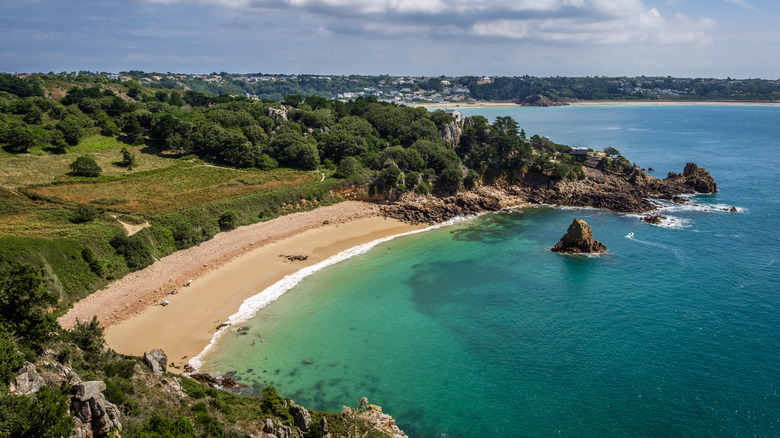
The largest of the Channel Islands, speckling the waters between England and France, Jersey boomed as a major honeymoon destination in the 1950s and 1960s, adding yet another curious episode to its long and storied history, including being occupied by the Nazis during World War II. But it wasn't actually the golden beaches and dune-backed sands that fringe the island that brought the newlyweds in force. It was something else entirely: Tax breaks.
A post-war income tax holiday combined with zero sales tax on the island itself helped the spot become super-popular in the post-war period. But, of course, it wasn't just that. Jersey.com describes how the isle was an easy sell to just-married folks, on account of its mild climate and quick flight links to the mainland UK, while the BBC recalls how local hoteliers offered tempting deals on beds plus evening entertainments.
Jersey's days as the so-called "Honeymoon Island" were numbered, however, as travel tastes expanded and became more exotic throughout the '70s, '80s, and '90s. Still, there's something to be said for considering this particular rock for a wedding wind-down. Visitors will find rugged stretches of shoreline, a lively cultural capital, and swathes of bucolic countryside to explore inland, not to mention some seriously fine seafood offerings!
Methodology
To put together this list of five honeymoon destinations that are no longer as popular as they once were, we started by digging through established publications in the travel, honeymoon, lifestyle, and wedding-travel space. That included sources like this listicle from Destination I Do, a look at faded romantic vacation spots from Remix Magazine, and this focus piece on six vintage honeymoon destinations on Daily Passport, along with similar outlets that regularly cover romantic getaways and classic honeymoon trends. The aim at this stage was to build a shortlist of destinations that had a clear reputation as vintage or old-school honeymoon favorites.
From there, we looked at each destination more closely to see whether it fitted the brief, essentially places that were noticeably more popular with honeymooners in the past than they are today. To do that, we cross-referenced modern news coverage, historical sources on tourism, and official tourism websites to get a clearer sense of how each place's reputation has shifted over time. We then prioritized the destinations that appeared to show the biggest swing in honeymoon popularity, based on how strongly they were linked to newlywed travel in their heyday compared with how they are positioned at the time of writing.
It's worth noting that our chosen methodology means that the destinations above aren't necessarily unpopular today; simply that they are likely to be less popular than they once were, specifically among the honeymoon crowd.