
This Beautiful Island With Stunning Waterfalls And Mountain Trails Was Free Of Wild Mosquitoes (Until Last Year)
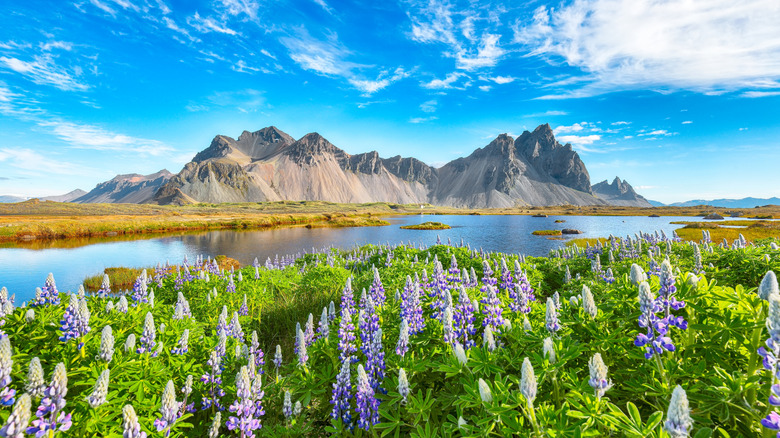
The island country of Iceland has long been a tourist stronghold, sporting gorgeous snowcapped mountains, active volcanoes and geysers, and gushing waterfalls. Vacations in Iceland are typically associated with outdoor activities and natural beauty. While scenic vistas are still emblematic of Icelandic vacations, unfortunately, Iceland is also now home to one of the biggest menaces of the natural world: mosquitoes.
Iceland had been completely free of wild mosquitoes – the only country to hold the honor — a claim which it had only shared with Antarctica. However, following a record-breaking heatwave in May 2025, "insect enthusiast" Bjorn Hjaltason discovered three strange insects on one of his moth traps that he had "never seen before" (via BBC News). After collecting and sending them to the Natural Science Institute of Iceland to be identified, the reports came back: two female mosquitoes and one male belonging to the Culiseta annulata species. Most species of mosquitoes are unable to survive Iceland's freeze-thaw cycle, which had allowed the country to remain mosquito-free even though there are mosquito populations in neighboring countries with cold climates.
This isn't the first time non-native mosquitoes have been found in Europe. The Guardian reported that eggs of the Aedes aegypti (Egyptian mosquito) and Aedes albopictus (Asian tiger mosquito) have been discovered in the U.K. However, the good news for Icelanders (and those visiting) is that the Culiseta annulata isn't known to spread diseases like dengue, malaria, or Zika virus the way the Egyptian and Asian mosquitoes do. Whether this species becomes an embedded part of Iceland remains to be seen, but it's unlikely to become any more of a problem than the biting midges that have already plagued tourists and locals since their arrival in 2015. Regardless of the presence or absence of mosquitoes, Iceland remains one of the most stunning island destinations in the world.
Sustainable hikes on Iceland's gorgeous mountain trails
The presence of mosquitoes is just one of the signs of a changing climate in Iceland. Much of Iceland's landscape is defined by volcanoes and glaciers. But rising global temperatures are threatening the glaciers that are so significant to Icelandic tourism. To offset the dangers of disappearing glaciers, practice sustainable travel to Iceland by traveling outside of peak seasons, joining group tours, and paying locals for food and services.
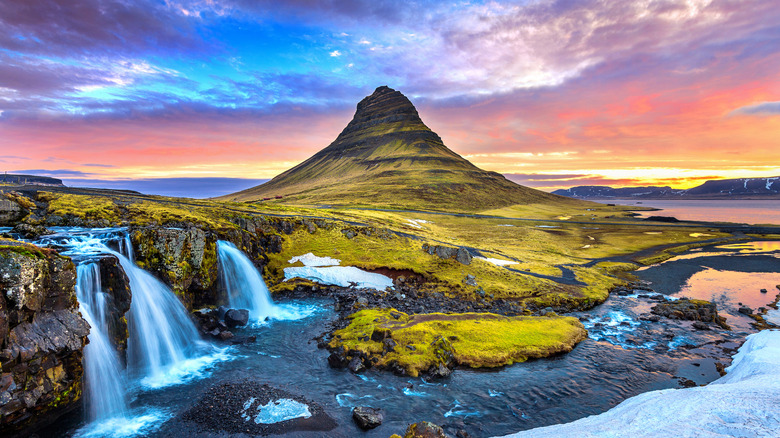
A favorite Icelandic mountain trek on Tripadvisor is Kirkjufell Mountain, near the small village of Grundarfjörður, around 2.5 hours from Reykjavik. It's known as the filming site of the Arrowhead Mountain in "Game of Thrones" and "a true Iceland icon," per one Tripadvisor reviewer. The mountain's unique shape and the Kirkjufellsfoss waterfalls make it a popular tourist attraction and photography spot. Thanks to its northern location, it's also possible to visit Kirkjufell for spectacular Northern Lights views in the off-season — a more eco-friendly time to travel.
Another well-known hike is Mount Esja. This mountain is only about 14 miles from Reykjavik and reachable by bus, making it easily accessible and eco-friendly. A popular beginner trail is to Steinn, 1.8 miles one way, with a gradual incline. For the more adventurous, the trail continues to the Þverfellshorn summit on a much steeper incline, for a total elevation gain of around 2,500 feet and panoramic views of Iceland's stunning coastline, the countryside, and a minuscule-looking Reykjavik in the distance. If you're in Iceland for some time and want a multi-day trek, you can also check out the Laugavegur Trail, widely considered one of the best hikes in Europe.
Last-chance tourism and Iceland's waterfalls
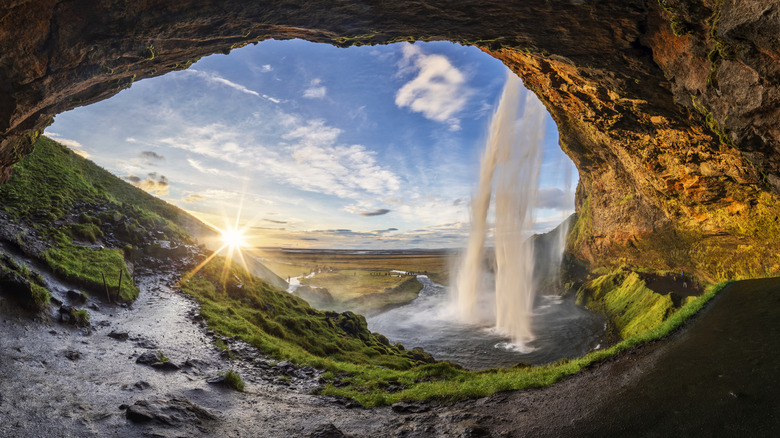
Iceland is home to thousands of waterfalls — not bad for an island smaller than Ohio! But with glaciers vanishing rapidly and last-chance tourism spiking, Iceland's waterfalls are at risk of disappearing or changing irrevocably. Visitors should aim to preserve the landscape by staying on official pathways, adhering to "leave no trace" principles, and traveling in the off-season. One popular Icelandic waterfall that you can visit any time of the year is Seljalandsfoss, located in the south of the country, right off Route 1.
Seljalandsfoss is one of the country's most visited destinations. The appeal of Seljalandsfoss is in its pathway that takes you behind the waterfall for an unobstructed view of Seljalandsfoss framed by green pastures and open skies. The water empties into a bowl below the path, leaving space around the waterfall that visitors can easily walk along. However, you'll still need a waterproof jacket to protect yourself from the spray, and maybe a waterproof covering for your phone or camera if you plan to take pictures.
Another well-known waterfall is Gullfoss (translated to "Golden Falls" in English), which is a popular stop on the Hvítá River along Iceland's famous Golden Circle, one of many destinations you cannot miss on your Iceland trip. Unlike Seljalandsfoss, which is relatively small, Gullfoss is a massive, two-tiered waterfall with an overlook further away for a panoramic view and pathways right beside the falls for a close-up look. For a relaxed experience on the Hvítá River, head to Laugarás Lagoon, which has its own waterfall and swim-up bar, around 25 miles away.