
Missouri's Largest Artificial Lake Is A Less-Crowded Alternative To The Lake Of The Ozarks With Great Fishing
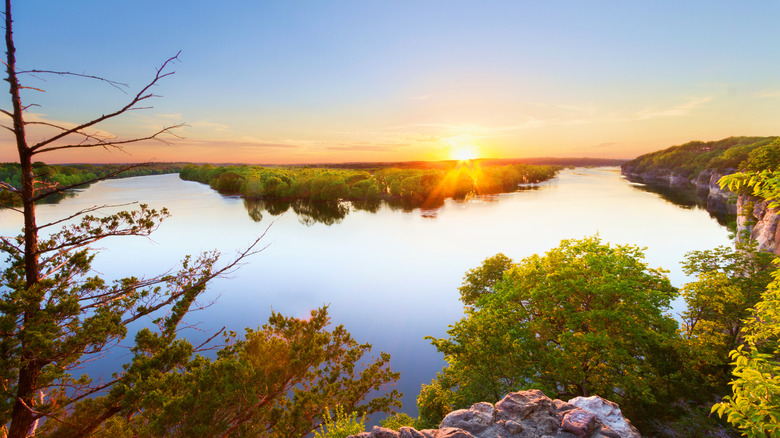
When it comes to outdoor destinations in the southern Midwest, it's hard to beat the Ozarks. This plateau of rugged, thickly forested highlands is home to some spectacular scenery in the form of the remnants of ancient mountains, as well as rivers, deep valleys, caves, and quaint communities like this overlooked town that's a secret spot for a lazy, peaceful getaway. You'll also find a number of large, manmade lakes in the region, including the iconic and very popular Lake of the Ozarks, which is one of Missouri's great playgrounds.
While there is plenty to see and do at the Lake of the Ozarks, such as visiting an underrated resort city with fine cuisine and beauty, the iconic reservoir has become a victim of its own success. The lake draws crowds — especially in the summer months when people flock there to escape the heat — and if you're looking for a good alternative, consider Truman Lake. Situated just an hour west of Lake of the Ozarks, this reservoir was created by the damming of the Osage River and is the largest artificial lake in the state.
With plenty of opportunities for camping, swimming, hiking, and spotting wildlife — as well as some exceptional fishing — the lake is the perfect destination for those seeking a soothing outdoor escape. It also sees fewer visitors and is far less developed than its more famous counterpart, guaranteeing a much more tranquil experience, which is the whole point of a lake retreat in the first place.
Soak up Truman Lake's placid surroundings
Truman Lake (also known as Truman Reservoir) wasn't built overnight. The process began when the Watershed and Flood Prevention Act was passed in 1954, which authorized the construction of dams and other flood control infrastructure all over the US. It took 25 years of planning, land acquisition, excavation, and concrete pouring before the project was completed in 1979. Today, Truman Lake occupies over 55,000 acres, with around 100,000 acres of forests, bluffs, clearings, and unspoiled shoreline managed by the U.S. Army Corps of Engineers.
It's this lack of development that gives the lake its peaceful, natural atmosphere and helps set it apart from the much busier Lake of the Ozarks. "Boaters seeking solitude for fishing or autumn leaf-peeping will find it at Truman Lake," wrote Lisa Waterman Gray and Sandy Selby in an article in Missouri Life Magazine. "Unlike the adjacent Lake of the Ozarks, there aren't houses and condos crowding the shoreline. Truman Lake is not a party lake, and that happened by design."
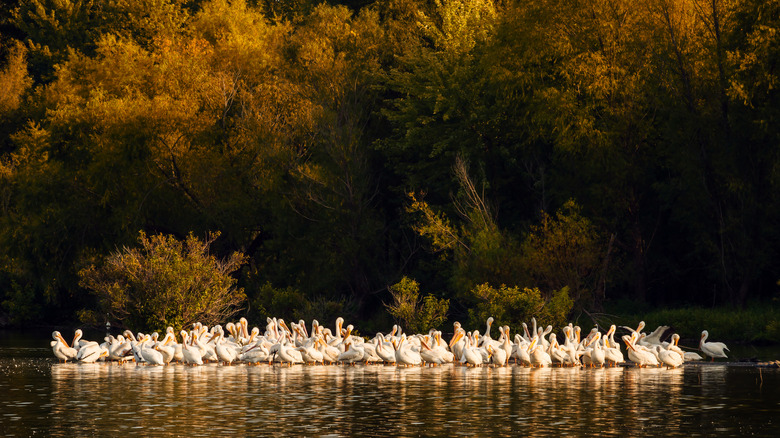
One of the highlights of the Truman Reservoir is Harry S. Truman State Park. Surrounded by water on three sides, this idyllic, oak-forested peninsula offers boating, hiking, fishing, wildlife watching, and the opportunity to pitch a tent or pull up an RV at one of six different campgrounds. The lake is also near several other scenic reserves, including Barry Bend Park, as well as three state wildlife management areas: Little Tebo Creek, Tebo Islands, and Brush Creek. These all act as habitats for species such as wild turkey, deer, raccoon, and squirrel. You can also spot plenty of migratory bird species at the lake, including white pelicans, which stop by in the fall.
Hook into a lunker at Truman Lake
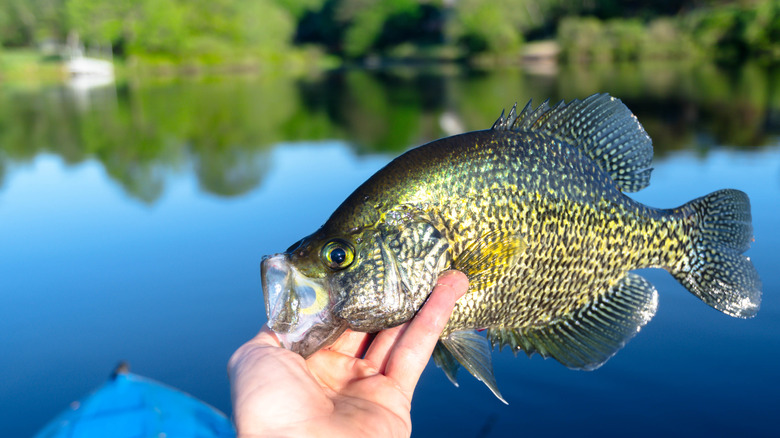
The creation of Truman Reservoir flooded thousands of acres of forested lowlands, and while a hazard for boats, all of those submerged oak and hickory trees also provide essential cover for gamefish. This has made the lake one of Missouri's top fishing hotspots, especially when it comes to crappie. In fact, Truman Lake is considered by some to be not just one of the best crappie fisheries in the Midwest, but also the country.
"If I said it many times, Truman Lake is one of, if not the best, crappie fishing lake out there," noted one user on Facebook. This sentiment was echoed by a long-time local fisher, who — in an interview with the Kansas City Star — said, "I've fished Truman for 25 years now, and I can't remember many years when the crappie fishing wasn't good."
However, there are more than just scrappy panfish lurking in Truman's waters. The lake also holds several species of catfish — channels, flatheads, and blues — the latter of which can grow in excess of 30 pounds. However, if you're looking to keep the fish to eat, take note of the daily and size limit restrictions. As for crappie, you'll find both black and white varieties in the lake, and they're often reeled in at shallow spots no more than 10 feet deep. Minnows seem to be the most effective bait, with brightly-colored jigs also inducing plenty of bites. For more of Missouri's unspoiled goodness, check out Eminence, an underrated city offering a plethora of outdoor thrills.