
Popular Travel Destinations You Should Avoid Visiting If You're Afraid Of Spiders, According To The Internet
If you're ready to scream the second you cross paths with a spider, you're not alone. According to the Cleveland Clinic, arachnophobia, or the fear of spiders, is one of the most frequently reported fears. You're also not the first traveler to wonder whether a destination might be home to more than its fair share of eight-legged residents. A quick internet search will yield all kinds of tips for managing your arachnophobia while you travel, but plenty of travelers ask something different: "Where can I travel to avoid spiders altogether?"
It's a fair question — some places are decidedly more spidery than others. And although stepping outside your comfort zone is often part of the travel experience, it's natural to want to avoid a place full of something that makes you break out in a sweat. There's no need to venture to a place that's packed with venomous species or known to have problems with invasive spiders when plenty of destinations with fewer spiders will do.
To determine which countries are likeliest to land you in a sticky spider situation, we took to the internet to consult traveler testimonies from sites like Reddit, along with official species counts. So if you'd call yourself an arachnophobe, the data and the people alike suggest these five countries may be worth reconsidering — unless you're prepared to confront your eight-legged fears.
Australia
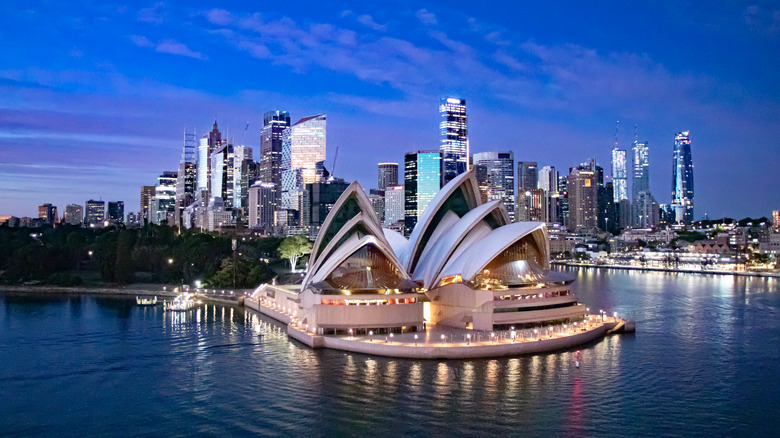
Australia is widely known for its intimidating wildlife. This is, after all, the place you'll find saltwater crocodiles, box jellyfish, and some of the world's most venomous snakes. So, is it really surprising that it's a top destination to avoid if you don't like spiders?
Australia hosts the largest number of venomous spider species of any country, and while most of Australia's roughly 2,900 spider species are harmless, that's still a lot of spiders, no matter how you slice it. Notable species no one wants to run across include the deadly Sydney funnel-web spider and the mouse spider. Australia's spiders are also among the world's largest: one Redditor cautioned travelers that when it comes to spiders, "Australia has the massive ones."
That said, Australian locals in the subreddit r/AskAnAustralian are used to their creepy crawlies, and advise online that though they "live everywhere," they're "more concerned with living their best lives," and even the biggest spiders "prefer to eat other spiders and will leave you alone." If you can brave your aversion to eight-legged critters, you're very unlikely to come to any harm from Australia's many spiders.
Brazil
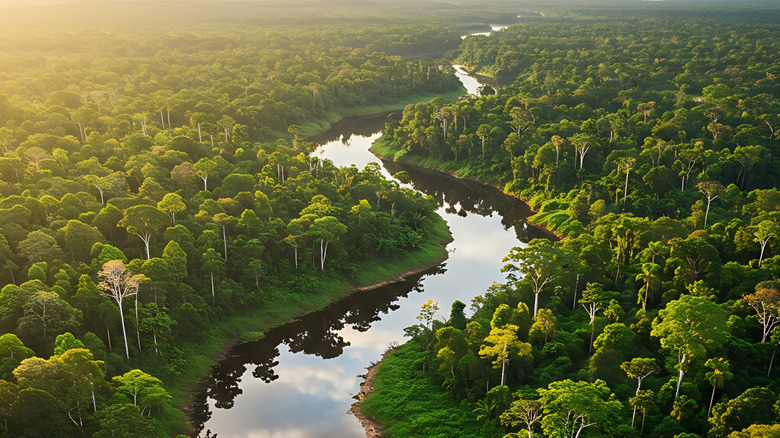
If it's big spiders you can't deal with, you're might want to avoid planning that trip to Brazil: it's home to several of the largest spider species on earth. Unsurprisingly for one of the world's most biodiverse countries, Brazil is a spider hotspot, estimated to be home to up to 8,000 spider species in the Amazon Basin alone. It even "rains" spiders occasionally: local shared footage on Reddit of a phenomenon called "spider rain," a social behavior in which groups of spiders spin huge webs, and hundreds might hang in the air at once, which is occasional, but an absolute nightmare to passing arachnophobes.
The majority of states in Brazil are home to at least one venomous spider species, and better-known species like the wandering spider are known for their potent venom. You're not likely to run across a truly dangerous spider, but Brazil's spiders are numerous and include some of the largest (albeit harmless) species on the planet, making it a decidedly unappealing destination for anyone who can't stomach the sight of a spider. That said, this depends somewhat on where you travel: Brazil is a huge country, and residents in r/Brazil reassure visitors that "if you stay in the city... you probably won't see them" and "you're not going to have much trouble unless you go to the countryside." So that trip to Rio de Janeiro may not be out of reach for the worried arachnophobe after all — just table the Amazon rainforest trek to avoid the big ones.
Indonesia
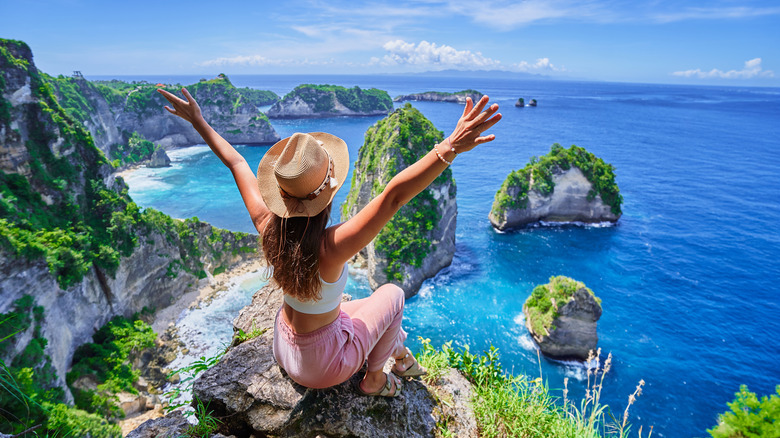
You might want to reconsider that trip to Bali if you're not a fan of spiders. Though only 2,500 to 3,000 species of spiders have yet been formally identified and named, some estimates place the total number of species at an unbelievable 20,000. No matter how you look at it, that's a lot of spiders. So while most of the species that you're likely to encounter in popular tourist destinations are harmless to humans, you'll likely come across a spider at some point in your Indonesian travels. You might even come across a whole lot of them: one backpacker in Bali went viral on TikTok in 2024 for a video showing what resembled a wall of spiderwebs along the road, stating, "If you're looking for a reason not to come to Bali, this is it."
Though travelers to Indonesia have very little to fear from the spiders they may encounter, the visual alone is likely enough to put off many potential visitors. So while Indonesia is a huge up-and-coming destination for its delicious food, diverse landscapes, and rich culture, it may not be a great choice for a traveler who would rather enjoy an arachnid-free vacation.
Ecuador
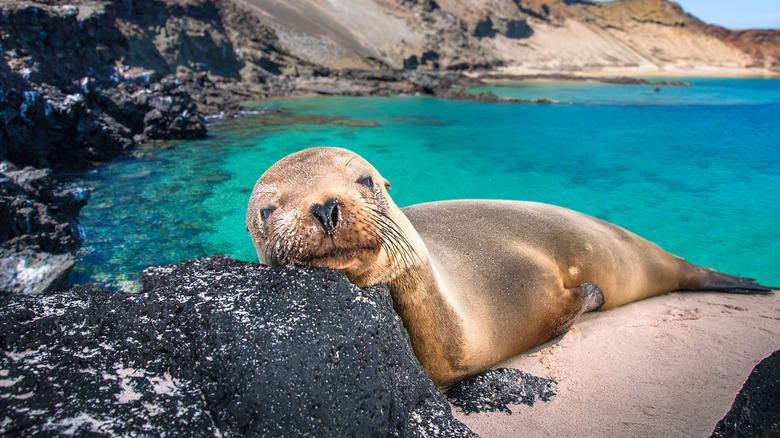
From the Amazon Basin to the Andes Mountains, Ecuador is a land of extraordinary natural environments. And when a tropical country hosts such a wide variety of ecological niches, you have a recipe for lots and lots of spiders. Though no official figure on the number of species in Ecuador currently exists, it's famous for species like the Galápagos Black Widow, Ecuadorian red bloom tarantula, and various species of bolas spiders, which use spider silk coated in a sticky substance to catch moths in flight.
Although ultra-biodiverse Ecuador doesn't lead the world in spider species, visitors are often drawn there specifically to explore its natural environments. With destinations like the Amazon rainforest and the Galápagos Islands attracting nature-focused travel, encounters with spiders can be more likely. Case in point: one traveler took to Instagram to share a large tarantula she encountered at a restaurant in the Amazonian reserve of Cuyabeno ... hardly the dinner guest most arachnophobes would hope for.
However, Ecuador's diverse landscapes make it a doable destination for the spider-avoidant. That's because, as one Redditor puts it, high-altitude areas like Quito "are almost spider-free despite being in the tropics" due to their harsher climates and thinner air. As a general rule, tropical areas draw the most spiders, so travelers visiting mountainous regions of Ecuador will likely have little to no issue with spider sightings.
Madagascar
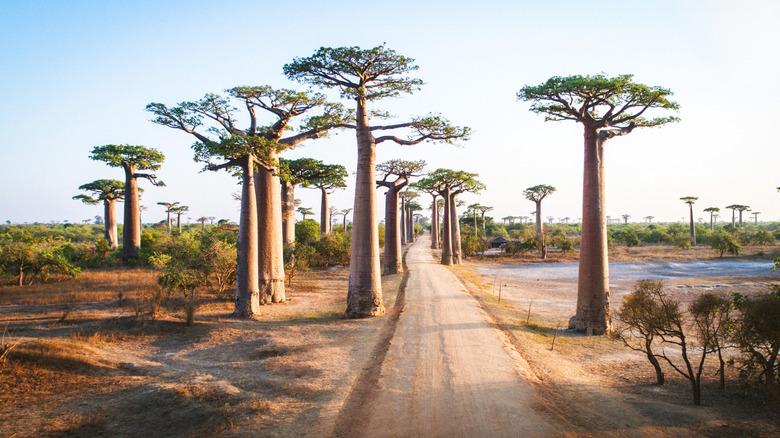
Much like Ecuador, Madagascar isn't a world leader in sheer numbers of spider species, but with an estimated 792 species currently identified and many more yet unknown to science, this comparatively small country is a spider hotspot in its own right. It's also a country many travelers visit for its unique wildlife, most notably because it's the only place in the world to see lemurs in the wild. But with so much time spent exploring forests and other outdoor habitats, encounters with spiders can be more likely.
Though not known for the danger posed by its spider population, Madagascar has its share of unique spider species. The Darwin's bark spider is an unparalleled web-spinner, creating massive webs made of the strongest known spider silk of any species, and the unsettling pelican spiders, a family of "assassin" spiders found nowhere else on the planet, exclusively eat other spiders. As one spider fan in the r/Spiders subreddit enthusiastically put it, "there's some REALLY crazy spider stuff going on in that island" — yikes!
Animal lovers like that Redditor might consider Madagascar's spiders among the most unique and fascinating on the planet. Arachnophobes, however, may see them as uniquely unsettling — adding a few more unwelcome examples to their mental catalog. That said, there's good news: locals online say that "you can find big spiders outside but only if you go looking" and "Madagascar has almost no venomous species." So while spiders are a part of life in Madagascar, they aren't impossible to avoid if your heart is set on a visit.
Methodology
Spiders are surprisingly understudied, and with new species being discovered all the time, it's impossible to definitively say which country has the most. Thus, we couldn't just bank on numbers when we were determining which countries spider-averse travelers should avoid.
Instead, we took a blended approach. Where available, data on the number of species in a country were utilized; where they weren't, we drew from anecdotal data, internet posts, and tips from locals and past visitors to determine which countries have given travelers the biggest spider scares in the past.
That said, it helps to remember that all of the countries on this list are huge, and you won't find anywhere near the total numbers of species listed in any one destination. Nor are you likely to come to any harm, even if you do: medically-significant spider bites are very rare. So while this is meant to be a helpful guide to avoiding spiders on your travels, don't be discouraged from visiting a country you'd love to see; there's nearly always a way to avoid the most prolific spider spots.