
Colorado's Friendliest City Was Once A Thriving Mining Town That Now Boasts Scenic Mountain Views And Trails
Colorado is undoubtedly well packed when it comes to attractive natural scenery. You could be cruising past wide-open plains, and before you know it, you're climbing into the Rockies, where snowy peaks and thick pine forests fill the horizon. Indeed, the state has a lot of destinations worth visiting, as outdoor recreation plays a huge role in its culture and economy. But if you really want a deeper feel of Colorado, you've got to get off the beaten path. And that's where a place like Como shows up, offering a peaceful, small-town atmosphere surrounded by woods, valleys, distant mountains, and a beautiful sky that seems to go on forever. Como sits way up in Park County, at an elevation of nearly 10,000 feet, and it's typically not overwhelmed with crowds. Per a 2026 ranking by Nextdoor, this mountain town is considered Colorado's friendliest city, with a perfect friendliness score of 100.
The town's history, however, is where things get more interesting. Much like Cripple Creek, a historic gold rush town which has its own layered past, Como partly owes its existence to the 1859 Gold Rush, as many of the early settlers in the region had come chasing gold, according to Uncover Colorado. The area also boomed with coal mining in the 1870s. But gradually, Como moved from a place bustling with miners into a secluded, little town. The old roads and supply routes once used by miners became the paths people walk or drive through today. Visitors and nature lovers now get to enjoy striking mountain views and explore scenic trails shaped by that history. For tourists coming here, Como is just about 90 miles from Denver — close to a two-hour drive, with the nearest commercial airport being Denver International (DEN).
Como's history and where to rest when you arrive
Como wasn't always the quiet spot it is now. It used to brim with life, thanks largely to its position around South Park, a mountain basin with hills loaded with minerals. That alone made the area the go-to place for miners and suppliers. Then, the railroad changed everything. The first train rolled through in 1879, and Como became a hub for the Denver, South Park & Pacific Railroad, which later included a narrow-gauge line that stretched for 335 miles. Como became more important as trains passed through daily, and the town grew with repair shops, a roundhouse, a hotel, a saloon, and workers who kept everything running.
At its peak, Como had about 500 people. But, like a lot of towns that boomed during this time, Como's glory days didn't last. By the end of 1910, most railroad jobs were gone, businesses shut down, and the trains stopped for good in 1937. By 1950, only about 39 people still stuck around. Today, when you walk through the town's old buildings, you're quietly getting a visual ride into the story of a town that once helped drive Colorado forward. Named after Lake Como in Italy, in honor of the Italian miners and stonemasons who settled here, this town holds a lot of intriguing history — similar to what you'd find in several of Colorado's once thriving but now abandoned ghost towns.
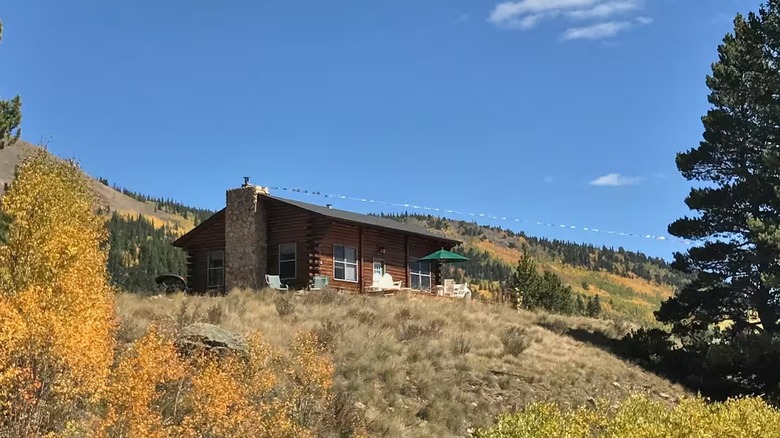
When it's time to rest, the Creekside Como Cabin on Airbnb is one lodging option in town worth knowing. It's a "guest favorite," rated 4.95 from over 700 reviews, as of this writing. This secluded barnwood-style cabin sits on over 5 acres along Tarryall Creek, where the sound of running water soothes you for the night. Step onto its 400-square-foot deck, and you can savor mountain views in all directions.
Exploring Como's scenic trails, views, and historical charm
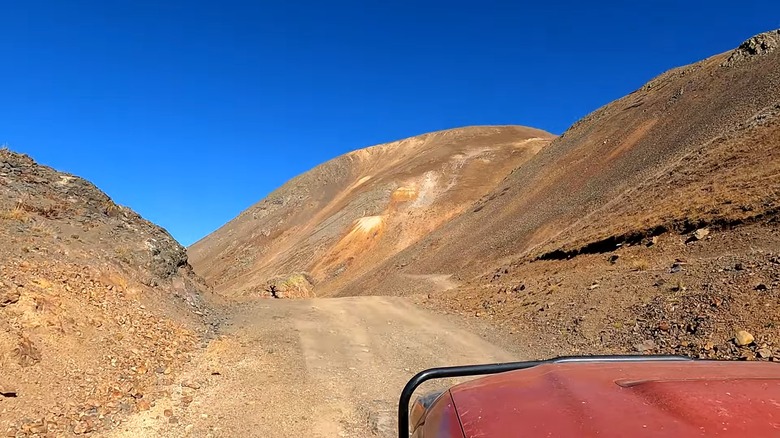
If you're a traveler planning a laid-back experience, Como brings you right into Colorado's wild beauty without the distractions of otherwise busy tourist destinations. One of the major attractions to check around here is Boreas Pass, a scenic path stretching through forests and alps, with magnificent panoramic views of the Tenmile Range and the Blue River Valley. Back in the day, trains used this route to run between Como and Breckenridge. Now, it's become a spot with gorgeous scenery for hikers, bikers, or anyone who enjoys a good mountain drive. While the road closes to motorized vehicles during winter, it also offers skiing and snowshoeing. Summer comes with wildflowers, and fall brings golden aspens. The road is rated 4.7 on Tripadvisor.
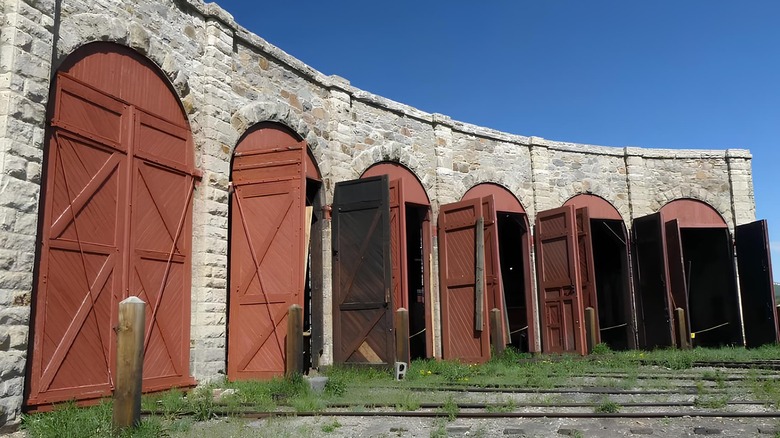
Before you leave Como, make sure to check out the Como Roundhouse, an old stone building once used as a locomotive servicing facility. Time your visit for Boreas Pass Railroad Day, held every August, and you'll get to tour the historic roundhouse and depot, enjoy live music right within the building, and take in scenic overlooks of Como's gentle surroundings.
Pike National Forest is also nearby, with over 1 million acres of trails and fishing streams, surrounded by pine, aspens, and sprawling wilderness that's home to birds, chipmunks, and yellow-bellied marmots. It's been praised by Tripadvisor reviewers for its spectacular views and backcountry atmosphere. If you'd rather sleep under the stars than in a cabin, dispersed camping is available throughout much of the forest. No matter when you visit, bring layers, because the weather can be unpredictable high up.