
The Museum At California's Iconic Los Angeles Landmark Is Closing Down In 2026 For Renovations
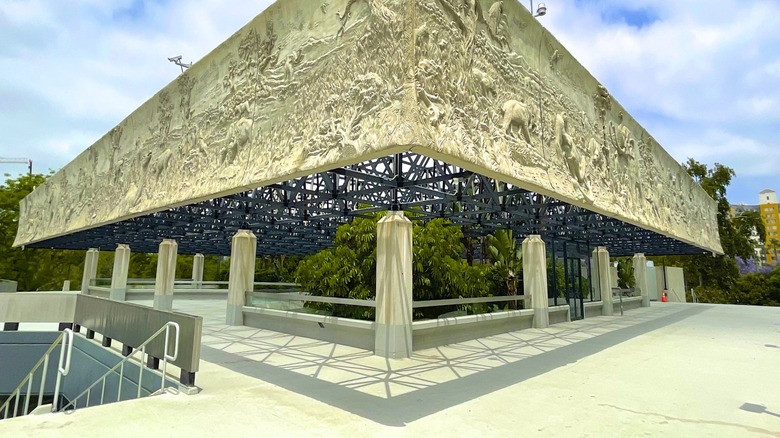
Since its founding in 1977, Los Angeles schoolkids, tourists, and curious locals alike have been flocking to the George C. Page Museum at the La Brea Tar Pits for a glimpse into another time, but that's about to change — at least temporarily. In July 2026, the museum, which hasn't had a major refurbishment since it opened, will be shutting down for a long-awaited refresh in anticipation of the crowds likely flocking to the city for the 2028 Los Angeles Summer Olympics. This restoration will expand the existing museum but shutter one of Los Angeles' most unique — and smelliest — museum experiences, at least for the next two years.
That's a pretty big change to the Los Angeles museum landscape, in which the La Brea Tar Pits stand apart as a rare place to see science in action: Excavations of the Tar Pits are ongoing. But with every new discovery at this massive repository of Ice Age fossils comes a need for space, and museum leadership has finally decided that the museum currently doesn't have enough room to house or present its collection properly. Its renovation will greatly expand and modernize the museum, upgrading the facility to match its world-class collection.
The La Brea Tar Pits are a longstanding LA favorite
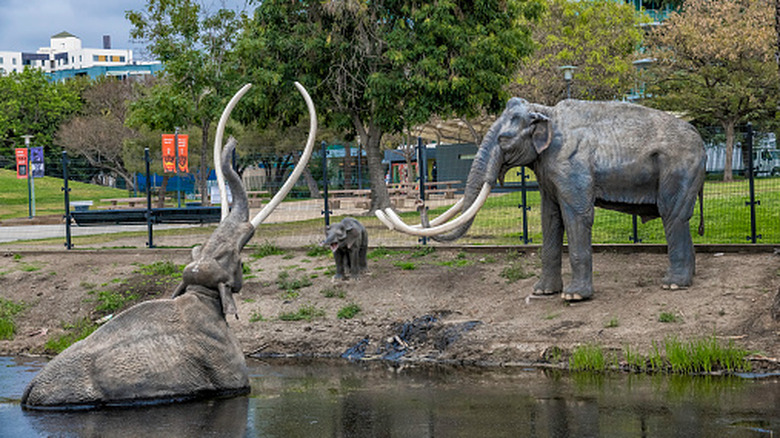
Although it wasn't until 1977 that the opening of an on-site museum made them a bona-fide tourist attraction, the La Brea Tar Pits have been a local curiosity and source of scientific excitement for far longer. That is perhaps not surprising: Images of majestic, long-extinct Ice Age creatures trapped in the inescapable pool of sticky tar that would become their final resting place have captivated the public for as long as we've known what they were.
And that's been a pretty long time. The unusual bubbling "springs" of tar in the area were first mentioned in the 1769 journal of a Spanish friar, and later inhabitants reported finding animal fossils trapped in those wells. That said, it still wasn't until the early years of the 20th century that scientists realized those fossils belonged to long-extinct creatures. Excavations have been ongoing ever since, and paleontologists are constantly making new discoveries.
It was that constant influx of new discoveries that inspired philanthropist George C. Page to fund an on-site museum. In the fifty years since the museum opened, though, its look and feel have become somewhat dated — not to mention overloaded with new acquisitions that don't fit the present space. The closure and subsequent renovation of the museum aim to bring the museum into the 21st century with more modern displays and improved research facilities alike.
Last visits will wrap up July 7th
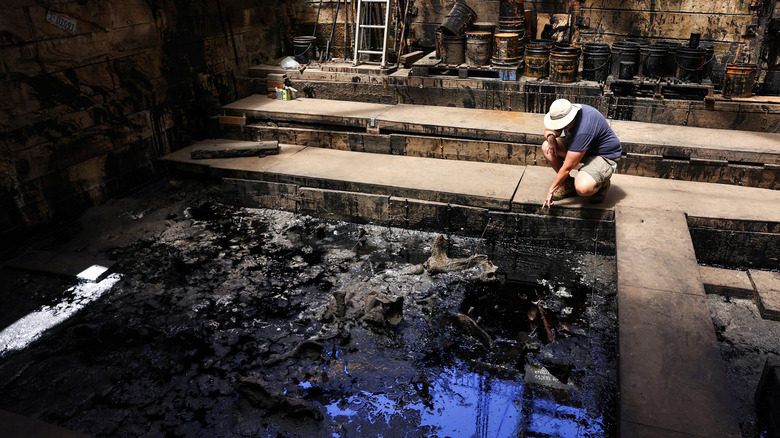
Expansions to the La Brea Tar Pits museum campus are slated to be extensive. In addition to an expansion intended to free up more on-site research and display space, the planned renovations will add a rooftop terrace, improve connectivity between the museum and the various excavation sites throughout the 13-acre park, and allow visitors greater insight into the research that goes on at the La Brea Tar Pits every day. So the two-year hiatus for renovations beginning this summer and ending in time for the 2028 Olympics is only natural: By the close of two years, the facility will have been radically altered.
That said, there's good news for you if you'd still like to see the Tar Pits and their museum in their original form. The museum will remain open until July 7, 2026, and even if you can't make it by then, the crown jewel of the facility is kind of impossible to shut down. The tar pits themselves will still be visible, and excavation work isn't going to stop for renovations, so visitors to some of Los Angeles' most popular tourist traps and attractions will likely pass by on their way to, say, the LA County Museum of Art. So while the bulwark of Los Angeles County field trips that is the George C. Page Museum will be off-limits for a little while, curious onlookers can still take a peek into the Pleistocene.