
Not Everglades National Park, Nor Big Cypress National Preserve — this Is Florida's First Aquatic Preserve
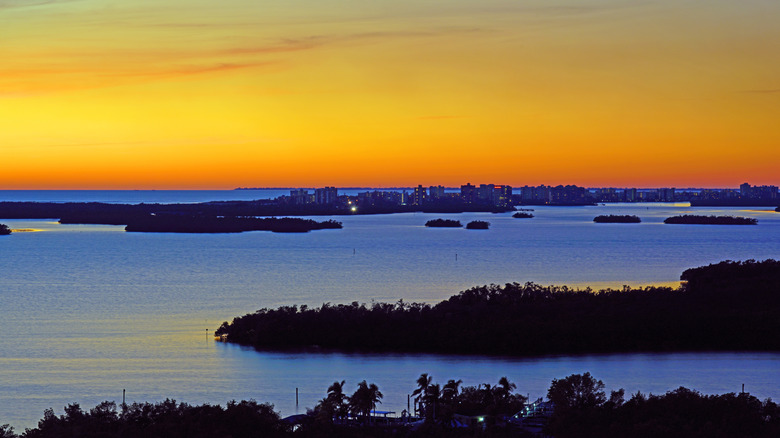
Florida may well be known as the flattest state in the U.S., but what the Sunshine State lacks in elevation, it makes up for with some of the most unique marine ecosystems in the country. From the vast and largely underrated Florida Everglades (one of only two everglades systems in the world, along with Australia's Noosa Everglades), to the Big Cypress swamplands, to the only barrier reef in the continental U.S., Florida's natural treasures are best explored at sea level. For more than 50 years, Florida has been making waves with coastal conservation, and it all began in a place you might not have heard of (yet): Estero Bay Preserve State Park.
In 1966, Estero Bay became home to Florida's very first aquatic preserve and set off a domino effect of conservation, leading to another 42 aquatic preserves being designated throughout the state between then and now. Located in Southwest Florida, just 10 miles south of Fort Myers, Estero Bay Preserve State Park covers nearly 14,000 acres of undeveloped conservation land, rife with nature trails and water sports opportunities for visitors to explore the protected area on foot or by boat. It costs just $2 per vehicle to visit this fascinating and lesser-known state park, which is a steal for front-row seats to some of Florida's most unique ecosystems. Here's what you can do when you visit Florida's first aquatic preserve.
Explore the unique ecosystems of Estero Bay with miles of hiking trails
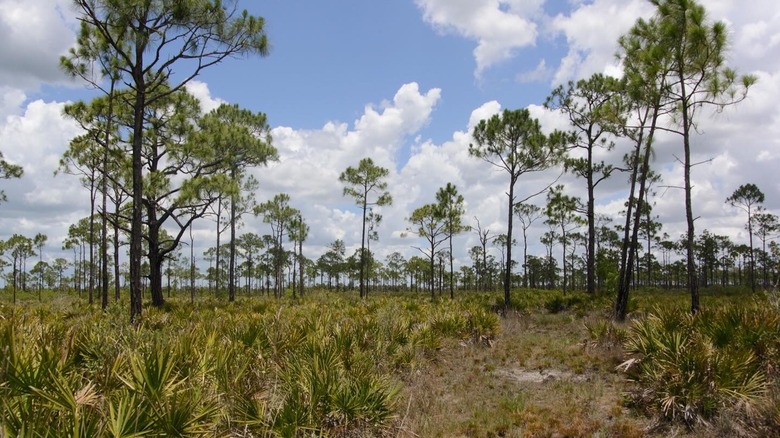
Estero Bay Preserve State Park offers two trail systems across over 10 miles of hikeable terrain, with a handful of established routes for visitors to enjoy the region's unique ecosystems and wildlife. Adventurous hikers will want to check out the roughly 5 miles of trails at the Estero River Scrub, which trace salt marshes, mangroves, and swamplands. Some of these trails are tidally influenced and do flood occasionally, and it's best to dress prepared for mud, wading, and insects — especially during Florida's mosquito season, summer. Winkler Point is another great option with trails that wind around salt flats and flatwoods and offer observation decks with scenic views.
Wildlife lovers and the secret birders in all of us will be happy to know that the Great Florida Birding Trail also winds through Estero Bay Preserve (along with other scenic spots, such as Fort Cooper State Park). The mangroves, coastal dunes, and flatwoods in this area make ideal habitats for a whole host of bird species. Bring your binoculars and keep an eye out for waders, swallows, kingfishers, swallow-tailed kites, and even the occasional bald eagle.
Float up close for a unique perspective of Florida's mangroves
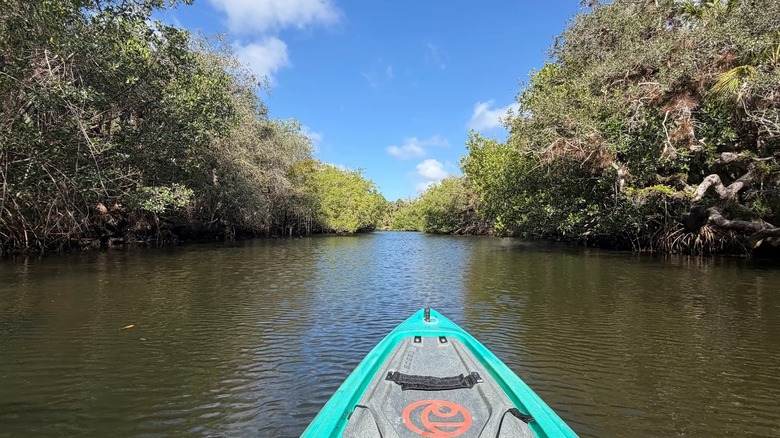
Prefer to ditch the muddy trails and float above the preserve's protected waters? That can also be arranged. Estero Bay Preserve is home to more than 7,000 acres of red, white, and black mangroves, and they are best experienced by simply floating by and taking in the scenery. Visitors with their own boats, kayaks, or paddleboards can depart from the public boat launches at Lovers Key State Park or Koreshan State Park. Otherwise, head to Estero River Outfitters for daily kayak, paddleboard, and canoe rentals and guided tours.
No matter how you enjoy the waterways in Estero Bay, it's always important to exercise caution. Florida's unique marine ecosystems also make them ideal homes for both alligators and crocodiles. As you travel around Florida, avoid swimming in these alligator- and crocodile-infested waters.