
Between Las Vegas And Death Valley Is A Preserved California Wilderness For Remote Hiking And Camping
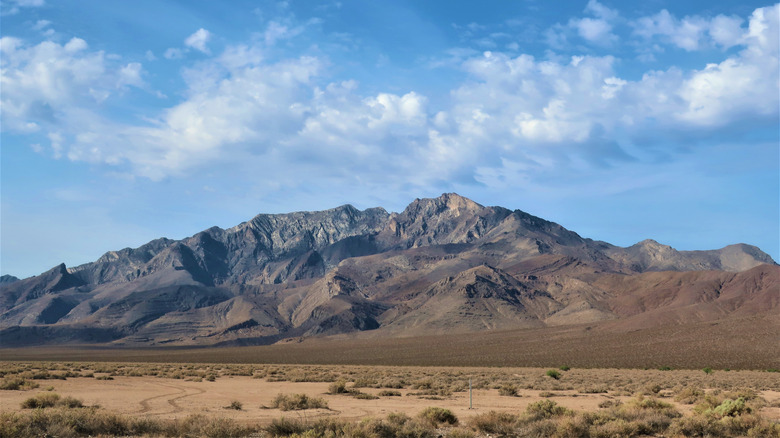
There's something hauntingly beautiful — and eerie — about the vastness of California's high desert. From dried-up salt flats and basins dotted with scrub and Joshua trees, to the ghost towns that tell stories of gold mining days past, these arid expanses hold many fascinating secrets in plain sight. One of them is the Nopah Range Wilderness, a 106,623-acre spread of protected public land found at the halfway point between the Mars-like landscapes of Death Valley and the glitz and glamor of Las Vegas. An untouched area with few facilities or established points of interest makes this one of the least-visited protected wilderness areas in California, but it's this peculiar allure that makes the Nopah Range an attractive prospect to those seeking remote hiking, dispersed camping, or simply some solitude away from the crowds.
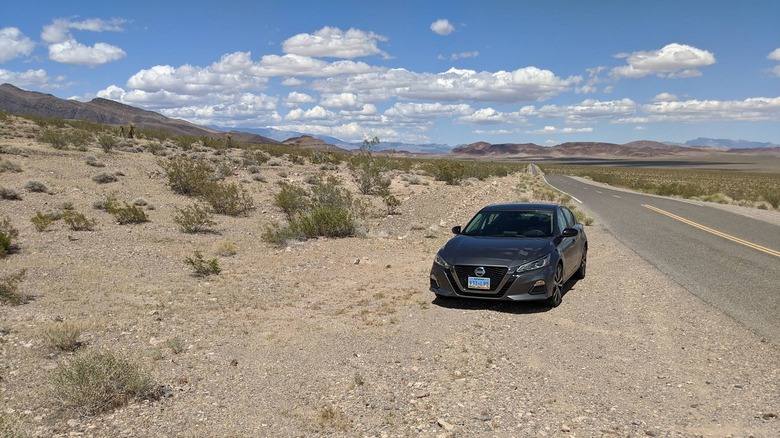
First, some Nopah Range 101, because odds are, you haven't heard of this place yet. This wilderness area, protected since 1994 and run by the U.S. Bureau of Land Management (BLM), features a series of dramatic landscapes like badlands, canyons, alluvial fans, and desert washes that wind their way up from 1,800 to over 6,000 feet above sea level. Here, in this vast wilderness, you might see wild burros, horses, desert bighorns, tortoises, eagles, falcons, and the occasional rattlesnake. Getting here requires no special overlanding equipment, as the surrounding Old Spanish Trail Highway and State Route 178 are both paved, well-maintained access points, but road trippers planning to add this stop to their itineraries should plan ahead regardless.
Remote hiking in the Nopah Range Wilderness
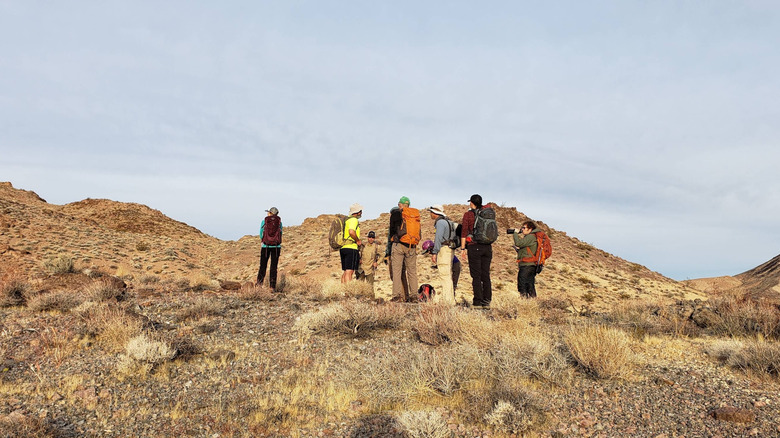
Famous for its challenging hikes, unforgiving landscapes, and hidden ghost towns (like nearby Panamint City), this stretch of California desert is best for experienced, well-prepared hikers. Mountaineers will find an interesting challenge in the remote hiking opportunities that exist within the Nopah Range Wilderness. The desolate landscape here is largely untouched and pristine, but the tradeoff is that you'll find little in terms of marked trails or facilities. To hike here means you'll want to have your maps downloaded ahead of time and GPS tools accessible to help you navigate as you go.
Pahrump Point Trail features a "Hard" difficulty rating on AllTrails thanks to more than 3,000 feet of elevation gain in the roughly 3-mile ascent. The total hike, out and back, is just over 7 miles and should take between four and six hours to complete, according to the blog Stav is Lost, which provides step-by-step photo guidance of the trail for those planning to make the trek.
Mountaineers interested in summiting the highest points in the Nopah Wilderness can climb to the Nopah Range High Point and Nopah Peak in one go, but it'll take some time. Outdoorsman and blogger Quincy Koetz calls this trek a challenging scramble that takes about 10 hours to successfully complete. The reward of such an arduous trek? Stunning views and a very short list of fellow humans who can ever claim they've stood in this same spot. "On a clear winter day, I saw the distant and impressive summits of Telescope Peak, Mt Charleston, Kingston Peak and Mt Clark surrounded by the desolate desert," says Koetz. "The summit register was great too – just 5 parties a year climb this mountain."
Dispersed camping and other places to stay near the Nopah Wilderness
Because the Nopah Range Wilderness is public land run by the BLM, you don't need any special permits to visit. However, there are no developed campsites in the area, so you'll need to plan for dispersed, tent-only camping if staying overnight. RVs are also not permitted in the protected area. As an alternative, tent campers and RVs can head to nearby Shoshone RV Park or Tecopa Hot Springs Campground, both of which are less than half an hour from the Nopah Range.
Similar to Death Valley, which should be avoided in the summer due to exceedingly high heat, visitors should plan to explore the Nopah Wilderness in the spring, fall, and winter months only. It's also a good idea to brush up on your Leave No Trace principles, as you'll find unique guidance specific to visiting the high desert, according to the BLM website.
If dispersed camping isn't your thing and you prefer the creature comforts of a hotel, Pahrump is an established town with both hotels and RV parks about 45 minutes up the road. Of course, the large luxury resorts that beckon in Las Vegas are also less than an hour and a half away.