
Between Raleigh And The Outer Banks Is A North Carolina Town With A Walkable Main Street And Charming Shops
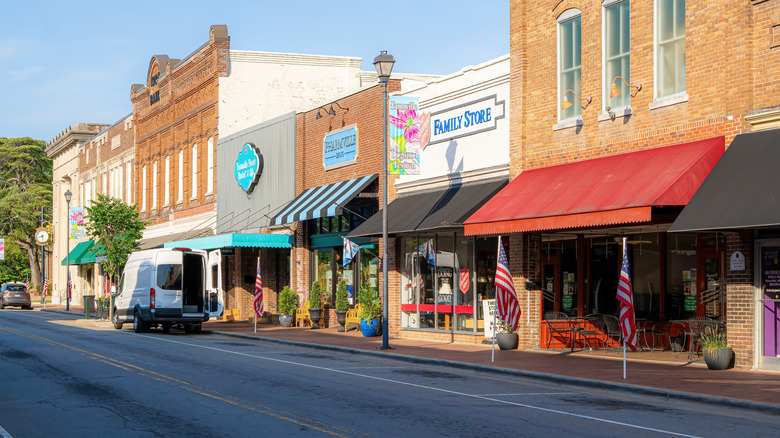
Long before Zynga's viral Facebook game had millions harvesting digital crops, the real Farmville was already a century deep into its role as a tobacco titan of eastern North Carolina. Today, the town has traded its industrial past for a "Hometown Small, City Cool" identity by inviting visitors to explore a walkable hub of art galleries and boutiques. This modern revitalization breathes new life into a historic district of 330 buildings, each offering a charming slice of the past. Home to just under 5,000 residents across 3 square miles, Farmville is nestled in the "Inner Banks" — a cheeky nod to its position three hours west of the famous Outer Banks, which Google ranked as a top trending American destination in 2025.
Farmville's roots trace back to Benjamin May, a Scottish immigrant and former Revolutionary War officer who originally developed the thousands of acres surrounding the settlement once known as "New Town." His grandson, James William May, later expanded this legacy by developing the estate known today as the May Museum and Park. Following its 1872 incorporation as Farmville, the community built on its tobacco-growing success and saw growth accelerate with the early 1900s arrival of two railroads — the East Carolina Railway and the Norfolk Southern Railway.
This infrastructure allowed A.C. Monk and Company, established in 1907, to evolve into a global tobacco powerhouse until the industry began to recede in more modern times. The town's current artistic foundations were rooted with Grammy-winning singer Roberta Flack, who began her career in Farmville, teaching music at H.B. Sugg School between 1959 and 1960. Following her death in 2025, Mayor Alex Joyner proclaimed February 13, 2026, "Roberta Flack Day."
Artistic shops to visit in Farmville, North Carolina
Vintage enthusiasts will find many reasons to wander down memory lane in Farmville. Farmville Furniture and Gifts has anchored the historic strip for over 115 years and is known for its reputation for quality and service. Just a few steps away, Dapper Dan's serves as an antique lover's playground with a 5,000-square-foot showroom of art and accessories curated by local namesake Dan Robertson. Across the street, owners Wayne and Christine Dempsey run Vintage Point, transporting visitors back to their childhoods with a collection of vintage toy and comic collectibles.
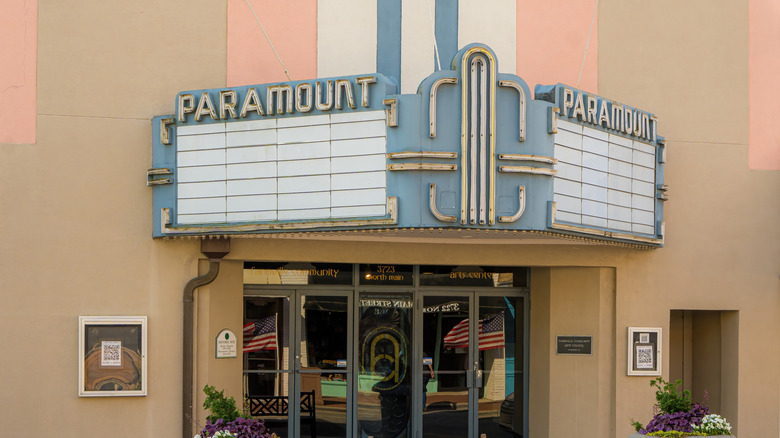
The streets of the historic district also double as a walkable gallery that invites visitors on a visual scavenger hunt. The 1.2-mile Art Trail starts and ends at the public library and showcases multiple installations complete with QR codes that act as digital tour guides. Another local landmark, the 1920s-era Paramount Theatre, has traded its life as a former cinema for a second act in the performing arts. The Farmville Community Arts Council uses the space to host plays, musicals, art shows, and concerts for the community.
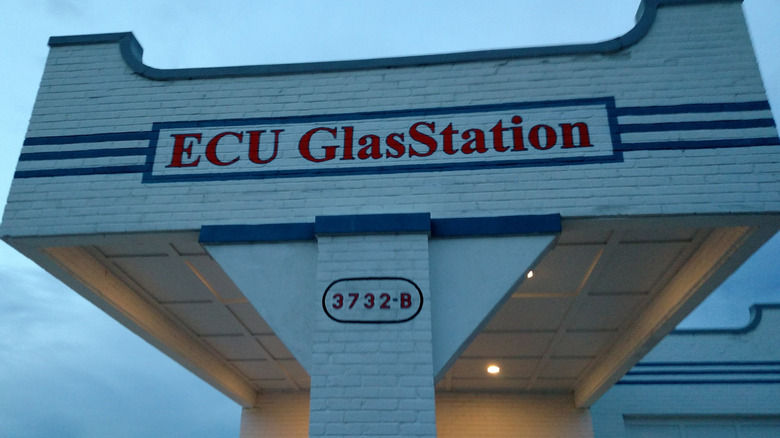
Farmville is also home to the GlasStation, a hot glass studio operating in a repurposed gas station since 2017. This project is part of East Carolina University's School of Art and Design, with the main campus located just 15 minutes away in Greenville. Less than half a mile away, the May Museum and Park occupies the Greek Revival farmhouse built by town founder James William May, housing approximately 30,000 photographs and records that chronicle the region's roots. Lanoca Coffee, just three minutes away on foot, stays true to the town's creative atmosphere by turning brewing into an art form, even offering 90-minute specialized classes for $35 for those looking to master the craft.
When to plan a visit to Farmville, North Carolina
Farmville sits approximately 70 miles west of Raleigh, North Carolina's "City in a Park," also renowned for its art scene, via U.S. Highway 264 and Interstate 587. Travelers can also reach Kitty Hawk, an Outer Banks town famous for both the Wright Brothers and its own thriving artsy beach scene, in about two hours and 40 minutes.
To coincide with the blooming of native dogwood trees, travelers can time their visit with the annual Dogwood Festival, which can draw up to 30,000 visitors in any given year to witness the blooming trees. This Library of Congress "legacy festival" showcases woodworking and stained glass crafts against a backdrop of live music. Fall visitors can explore the historic district through the annual Farmville Ghost Walk, an event full of dry wit where organizers openly brand the tour as featuring "scary content that may or may not be historically accurate."
On the third Friday of each month during the university semesters, visitors can directly access the local artisans of Farmville and learn a new craft (or two). On these evenings, the ECU GlasStation opens its doors for live glass-blowing demonstrations. Guests can then walk next door to the Pitt Community College Ceramic Studio, which hosts concurrent presentations on the art of pottery and ceramic making.