
The Caribbean Island Where Volcanic Heat Warms The Sea
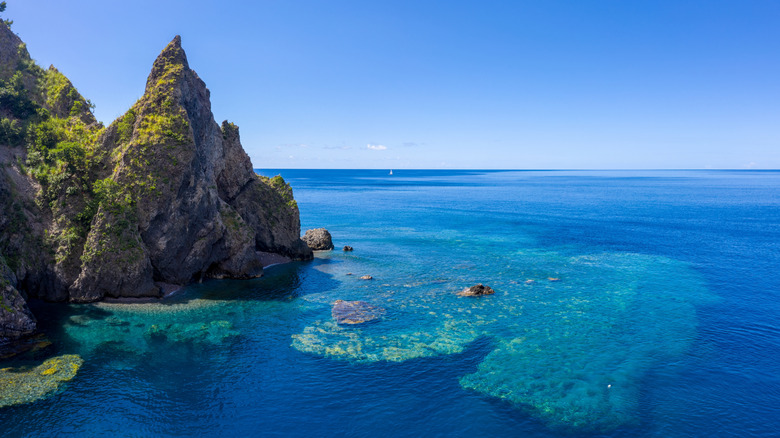
The Lesser Antilles is a picturesque island chain in the eastern Caribbean Sea, stretching in a crescent-shaped arc from the U.S. Virgin Islands south to Grenada. From Saint Lucia to Martinique, it encompasses some of the Caribbean's most romanticized destinations, known for pristine beaches and crystal-clear turquoise waters. Dominica, however, stands apart as perhaps the chain's ecological crown jewel. Known as "The Nature Island" for its lush, largely untouched terrain, many of its beaches feature black basalt, unlike those of its Caribbean island neighbors. Its striking landscapes feature dramatic mountains and valleys, dense greenery, and warm pockets of sea along its nearly 100-mile coastline that can make some beaches feel like natural hot tubs — and volcanic activity is the reason for most of it.
Formed by ancient volcanic eruptions, Dominica remains the most volcanically active island in the eastern Caribbean, with what The Seismic Research Centre of the University of the West Indies calls the world's highest concentration of potentially active volcanoes, with nine of them considered active. Dominica's last eruption occurred in 1997, though seismic activity has continued since.
Dominica's volcanic activity is infused into its appearance and identity. Nutrient-dense volcanic soil, nourished by the island's heavy tropical rainfall, supports fertile foliage and wildlife, while underground magma heats geothermal pools, creating hot springs throughout the island. The same geothermal forces also warm the island's black-sand beaches and Caribbean Sea, creating unique conditions that draw snorkelers and divers. Two of Dominica's most popular beaches – both tucked along Soufrière Bay — offer a rare chance to access the Caribbean's volcanic magic: Champagne Beach and Bubble Beach Spa. Here, the sea is warmed by geothermal activity beneath the ocean floor, creating a natural and sometimes effervescent experience unlike anywhere else.
Champagne Reef is a unique place to dive and snorkel
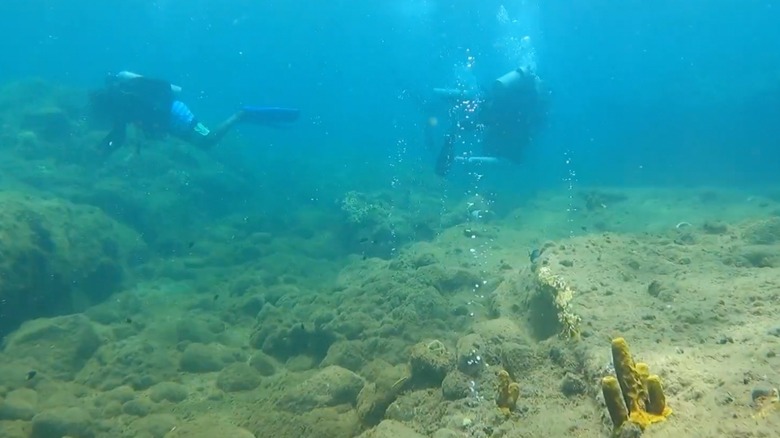
Dominica is one of the best places in the Caribbean to see wildlife, from tiny Antillean crested hummingbirds to coral reefs teeming with vibrant fish, hawksbill turtles, and seahorses. One such habitat is Champagne Reef in Soufrière Bay, a submerged volcanic crater along the island's southwest edge, where underground magma moves beneath the earth near shore. It's also part of the Soufrière Scotts Head Marine Reserve, a protected area and proposed UNESCO heritage site just a few miles south of Roseau, the country's capital; further out, it drops into deep water, tightly regulated as a sperm whale reserve.
Champagne Beach features dark sand with rocky areas and is a protected turtle nesting site, but the real attraction is below the sea's surface; it's a popular destination for divers and snorkelers who come not only for sea life, but for bubbles. Underwater fumaroles vent gases through crevices in the sand, pushing up tiny bubbles that look like a freshly poured flute of Cristal. The seawater stays consistently warm, from the high 70s to mid-80s Fahrenheit, with some reporting temperatures as high as 90 degrees, giving it a bubble-bath effect. "The water is warm and crystal clear," wrote one Tripadvisor reviewer. "The champagne area is mesmerizing, with bubbles coming out of the rocks giving a feeling of swimming in a champagne glass." YouTuber Blue Horizon Diving posted a video about the experience: "You can just hear the noise of the bubbles, it sounds like an oven underneath, or a big extractor fan, just constantly humming away," he said. "You couldn't keep your hand [on the ground] for too long, because you felt like it was going to start to burn." Snorkel equipment and chairs can be rented on site, and many tour operators offer excursions.
Visit Bubble Beach Spa for a therapeutic seaside plunge
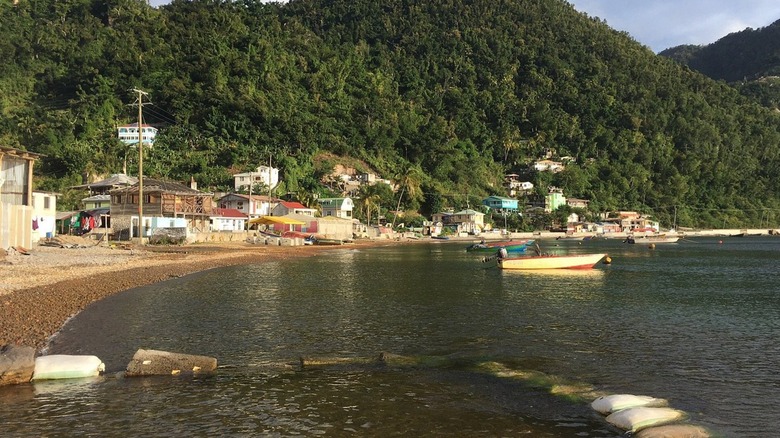
A 10-minute drive from Champagne Beach sits locally beloved Bubble Beach (and Spa). The beach itself is sandier than Champagne's, but the main draw is the bubbling geothermal hot springs in the Caribbean's Soufrière Bay, which create a sulfuric spa, warm to the touch and rich in mineral nutrients. Intrepid residents have used sandbags and rocks to contain parts of the surf into makeshift "natural jacuzzis." The beach is also home to a restaurant and bar, run by local mainstay Dale Mitchell, aka "Mr. Bubble," a favorite with visitors. "Definitely the best place to watch the sunset, accompanied by a beer or rum punch," wrote a Tripadvisor reviewer. "The pool is good to float in, possibly clutching a beer!" While snorkeling is possible here, visitor reviews are mixed, with most drawn to the laid-back pools. "A unique, unsophisticated beach spa. Hot bubbles soothe, cold beer quenches, and if you're there on the weekends, Mrs. Bubbles makes a traditional Dominican lunch," wrote a visitor.
Volcanic influence can be found throughout Dominica, not just on its unique beaches. Though perhaps not as flashy as the geothermal Caribbean, Dominica's underground magma also creates inland thermal springs as well, including Wotten Waven and Ti Kwen Glo Cho. The infamous Boiling Lake is also one of the most dangerous bodies of water in the Caribbean and is not viable for bathing, though it is a popular hiking destination.
Dominica is an affordable Caribbean destination brimming with culture beyond its natural beauty and volcanic beaches, and relatively accessible from the United States. Two nonstop routes are available from the U.S. mainland, departing from Miami or Newark. Other options connect through Caribbean hubs like Barbados or Antigua, and Roseau is a popular cruise stop for a number of cruise lines.