
When An Airline Goes Out Of Business, What Happens To Your Plane Ticket?

Typically, when travelers are left in sticky situations, it's due to canceled or delayed flights. However, what happens if the airline completely shuts down? Spirit Airlines recently filed for bankruptcy, leaving fliers with upcoming tickets in limbo, and it's become a situation that raises concerns for anyone taking a trip today. The answer is a bit complex, as there is no guarantee you will get a full refund — or one at all. You'll want to check how you purchased the ticket.
Credit card users can potentially get a chargeback by contacting their bank. They can dispute the charge and claim "services not rendered." This is the easiest way to a refund, as the bank is technically fighting for "its" money, whereas a debit card is your own funds. The Federal Trade Commission offers consumer advice, stating that while debit cards have fewer legal protections, it is still possible to file a claim within 60 days of the charge appearing on your bank statement.
If you paid through a third-party app like PayPal, you can contact customer service for support and file a dispute through the company's Resolution Center within 180 days, claiming the ticket as a "service not received." If your PayPal purchase was funded by a credit card, you may be able to work with your card issuer directly.
Find out what to do if you booked through a third party
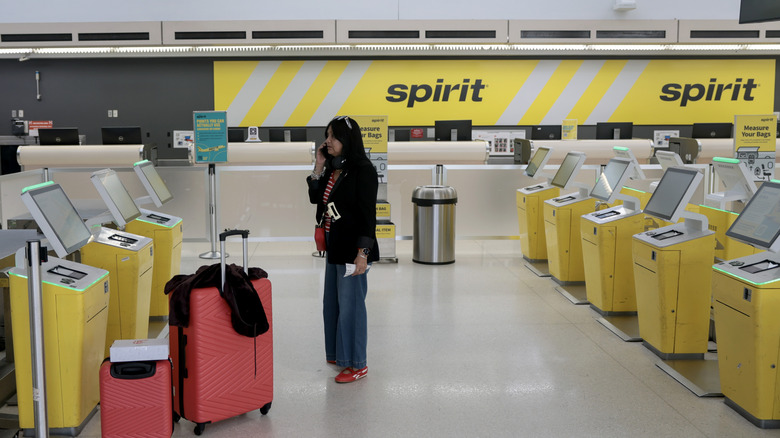
Many people simplify their travel planning with sites like Expedia or Kayak to save money while booking flights. If the airline goes out of business, travel agencies are legally required to provide refunds in these situations — though the process isn't always quick or automatic, according to NerdWallet. Past fliers have mentioned that third-party companies are responsible for your fare, and they typically refund you in the event an airline goes out of business. If you choose to buy through a travel advisor, they can navigate the refund process on your behalf, often with direct airline contacts the average traveler doesn't have. However, there still isn't a guarantee.
So, how do you protect yourself? This is where travel insurance can help — but only if your policy includes supplier default coverage, which specifically protects against an airline ceasing operations. Be sure to check the fine print for the correct type, as it isn't a normal clause on a standard package. Purchasing insurance after an airline's financial trouble becomes public may be classified as a known insolvency or known event, and insurers could deny the claim.
If you're already at the airport when the news breaks, check competing carriers. In Spirit's case, other airlines have been offering discounted fares to passengers flying similar routes. American Airlines, for example, classifies these flights as "rescue fares." It won't guarantee a seat, but it's worth checking. Airline bankruptcies are rare, but as Spirit's collapse showed, they can happen fast. When they do, how you paid and what coverage you have will make all the difference. For more info on the intricacies of similar issues, you can also read up on why airlines cancel flights permanently.