
Not Falls Or Drowning: This Is The Most Common Cause Of Accidental Deaths In National Parks
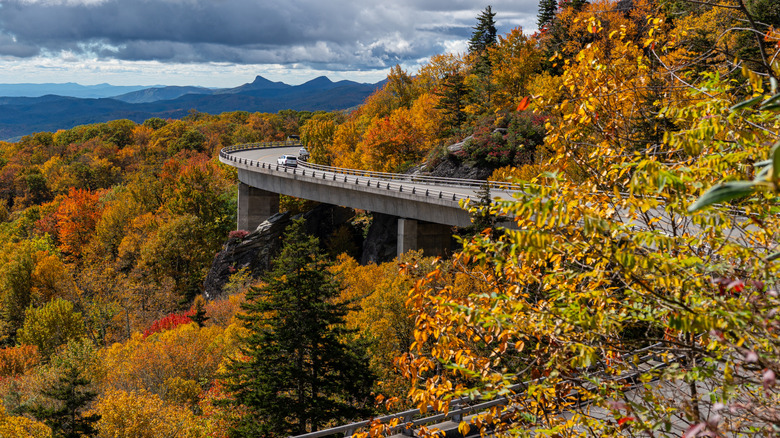
Heading out into nature is never without risks, as evidenced by the average of 180 accidental deaths in U.S. national parks each year, with causes as varied as heatstroke, rock climbing accidents, and fatal encounters with wildlife. But you might be surprised to find that the most frequent cause of such deaths isn't Mother Nature's doing at all. In fact, the most common way to die accidentally in a national park is sitting behind the wheel.
Driving is statistically the most dangerous activity you can enjoy in a national park. Though data on fatalities collected by the National Park Service (NPS) recorded a wide variety of causes of death, the largest share of the 1,080 total unintentional deaths reported in parks between 2014 and 2019 were related to motor vehicle accidents on park roads. Over 350 such incidents were reported, with drowning (314 deaths) coming in second and falls (205 deaths) in third.
Though you might expect the lion's share of fatal accidents in the national park system to involve outdoor activities, there are some fairly intuitive reasons that road accidents are the most common cause of accidental park deaths. The wildlife sightings and beautiful scenery common in national parks are big potential distractions, and in worst-case scenarios, they can lead to dangerous animal collisions. The same rugged beauty and historic architecture that make national parks beloved destinations also make them tricky to drive in — and potentially deadly. These roads are usually shared with bicyclists and pedestrians for whom drivers aren't always on the lookout. Then there's the design of most park roads itself: Narrow and often very curvy, they aren't meant for high-speed travel, and it's easy to run into trouble if you don't drive carefully.
The national parks with the most vehicular deaths
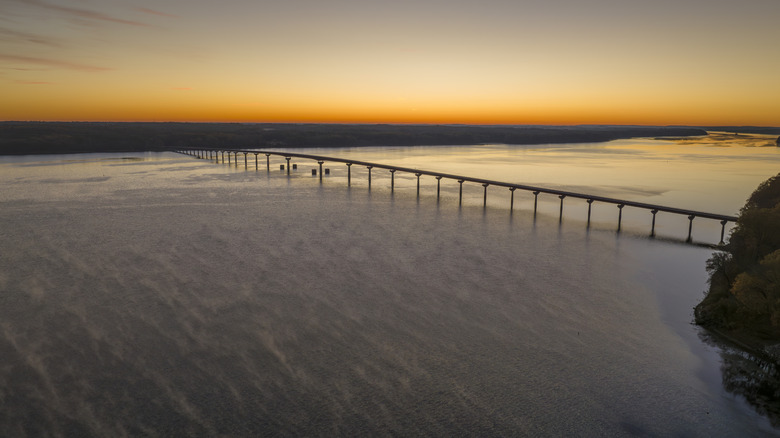
It's impossible to designate a single national park as "most dangerous," but National Park Service data on park fatalities between 2007 and 2025 can tell us a lot about where driving fatalities are most likely to occur. Perhaps unsurprisingly, it's on parkways – scenic and often winding roadways managed by the National Park Service – where driving-related deaths are most frequently reported. Of 843 unintentional motor vehicle deaths reported during the 18-year data collection period, 114 occurred on the Natchez Trace Parkway in Mississippi, Alabama, and Tennessee, and 91 on the Blue Ridge Parkway, an autumn favorite dubbed "America's favorite drive," between Virginia and North Carolina. But those aren't necessarily what most of us think of when we imagine a national park, so which other public lands reported above-average numbers of fatal crashes?
Two parks stand out in the most recent data. Great Smoky Mountains National Park was the deadliest National Park for drivers, with 60 fatal crashes, and Lake Mead National Recreation Area, a popular destination near Las Vegas, was considered the deadliest NPS unit because of its unusually frequent drowning and motor vehicle fatalities, reported 76. Considering Lake Mead's reputation for fatalities and the 384 miles of roads that make Great Smoky Mountains National Park one of the nation's most dangerously congested to drive, these aren't surprising places to need a little extra vigilance behind the wheel.
But don't let statistics keep you from visiting a park that appeals to you. While these numbers sound high, remember that nearly all of the millions of visitors who drove on park roads during the study period made it home safely. So long as you drive slowly and stay alert, the biggest driving hassle of your park visit will probably be nothing more than a traffic jam.