
2026 Study Reveals The Popular Vacation Destination You're Most Likely To Get Sunburned At
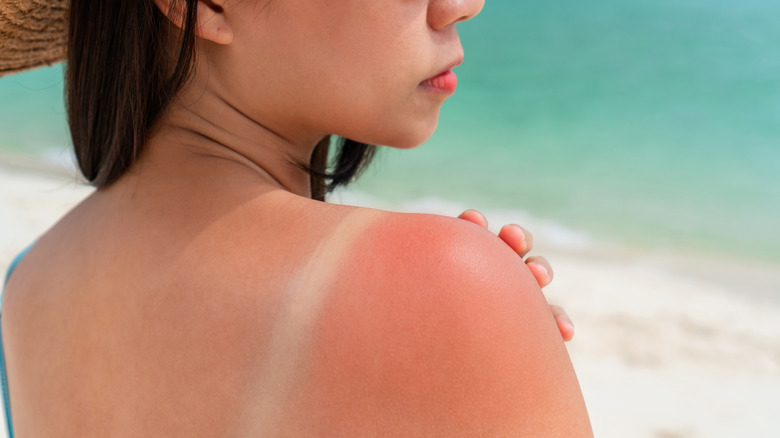
Many travelers have found out the hard way that visiting sunny destinations can quickly lead to painful, inflamed, and sometimes red skin — better known as sunburn. A new 2026 analysis from Ibiza Summer Villas named Dubai as the No. 1 popular travel destination where visitors are most likely to get sunburned. Instead of focusing only on temperature, the study also evaluated ultraviolet (UV) levels, sunshine and daylight hours, rainfall, air quality, and cloud cover to determine where exposure to the sun adds up most quickly.
All UV rays can damage skin, but UVB radiation is most commonly associated with sunburn, according to SkinCancer.org. UVB wavelengths are responsible for both vitamin D production and for causing erythema — the skin reddening also known as sunburn. The UV index helps explain why this happens so fast in places like Dubai. At a UV index of around 14 (considered very high), unprotected skin may begin producing large amounts of vitamin D within just five to seven minutes (via Overcoming MS), and that same window of exposure also increases the chances that you'll burn. And while fair skin is more likely to burn, darker skin tones can also burn and need adequate protection from the sun's rays.
Dubai ranked at the top largely because of its desert climate. The city experiences year-round high UV intensity, clearer skies, and very low rainfall, which means sunlight reaches the ground with fewer interruptions than in many coastal European destinations. Long daylight hours also increase cumulative exposure during a typical day, especially for travelers spending time outdoors between late morning and midafternoon hours. That combination of strong sunlight, clear skies, and long exposure times makes Dubai a destination where travelers often underestimate how quickly they might burn.
How to avoid getting sunburned in Dubai and other sunny destinations

The good news is that avoiding sunburn in sunny destinations, like Occitanie, France's sunniest region full of beaches and wine), is possible with a few adjustments to your routine. Plus, experts have pointed out that allowing your body time to adjust is one secret to avoiding getting sick while traveling between different climates. Timing is especially important. Experts recommend limiting direct sun exposure during the hours around midday, when UV radiation peaks. Planning activities earlier in the morning or later in the afternoon can reduce your risks of burning without changing the itinerary too much.
Protective clothing is another smart strategy. Lightweight, breathable long sleeves or rashguards reduce direct sun exposure. Sunscreen is also a must — studies show that properly applied SPF products can prevent sunburn while still allowing the body to produce vitamin D. And while you should be wearing scalp sunscreen on the beach, a head covering or hat is always a good idea when spending time in the sun.
Finally, travelers should pay attention to how quickly conditions change. Even short walks outside can add up when UV levels stay high all day. Checking the local UV index before heading out can make the difference between returning home with "some sun" versus spending part of a trip recovering from a burn. In the unfortunate case you do get burned, the Mayo Clinic says medication like ibuprofen or acetaminophen can help with pain, although note that some of these can also cause photosensitivity, requiring even more caution in the sun. Aloe vera or 1% hydrocortisone cream is also recommended by experts to soothe the skin. Pro tip — put aloe vera or cream in the fridge for ultra-cooling relief.