
Texas' Two Fastest-Growing Big Cities In 2025 Are Hubs Of Science, Culture, And Culinary Delights
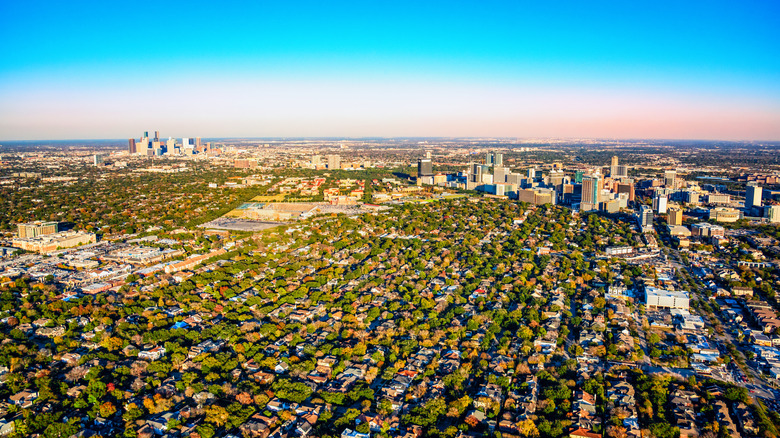
Population growth in Texas is often driven by booming suburbs, with much of the growth occurring outside the city limits of bustling hubs like Austin and Dallas, according to Houston Public Media. But some of the state's largest cities are still growing at a remarkable pace. According to BKV Energy's October 2025 ranking of the fastest-growing cities in Texas, Houston and San Antonio added the most residents between 2023 and 2024, based on U.S. Census Bureau data. Houston grew from 2,346,908 residents in 2023 to 2,390,125 in 2024, adding 43,217 new Houstonians. San Antonio followed with a population increase of 23,945, rising from 1,502,711 residents in 2023 to 1,526,656 in 2024.
Both cities have long been major travel destinations, but the influx of new residents moving underscores their appeal. Between the two, Houston is the more sprawling city, with museums, NASA-adjacent attractions, and a wide-ranging restaurant scene. San Antonio is a little smaller, with a historic downtown, a famous riverfront, Spanish colonial missions, and a food culture formally recognized by UNESCO. Both cities were also listed on Islands' 2024 list of Texas cities earning their first-ever Michelin stars.
Visits to Houston, which has developed without zoning laws, are usually better planned around neighborhoods. That's because its museums, restaurants, parks, and nightlife districts can be spread across a wide metro area. San Antonio, on the other hand, works especially well for a long weekend built around walkable areas such as the River Walk, the Pearl District, and the city's historic center. In both places, a little planning goes a long way for visitors who want to hit the top must-see attractions while also enjoying local food and culture.
Houston is a science-minded city with museums, space history, and delicious food
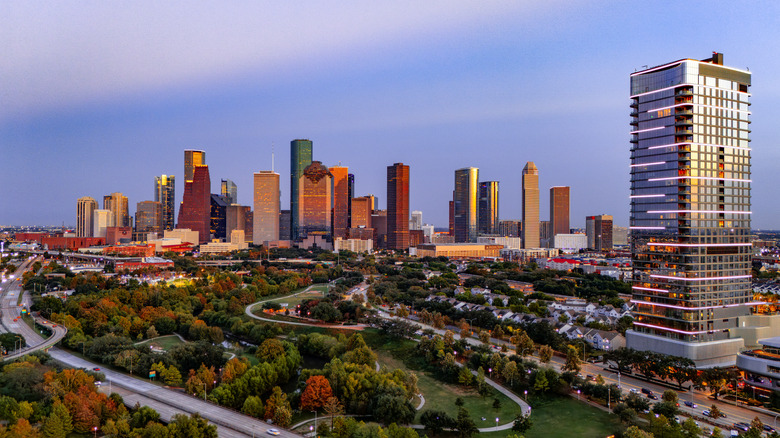
Houston's popular attractions are spread across the city, so visitors may want to organize their itinerary by clusters. For science and history buffs, one of the easiest places to start is the Museum District, home to 19 museums, Hermann Park, and the Houston Zoo. Travelers can check out major attractions like the Houston Museum of Natural Science and the Museum of Fine Arts, Houston, making it an ideal stop for visitors who want to hit several must-see landmarks within a relatively concentrated area. Downtown Houston's ambitious Main Street Promenade project has also expanded the city center's pedestrian-friendly areas.
One of Houston's signature attractions is Space Center Houston, the official visitor center for NASA's Johnson Space Center. Located near Clear Lake rather than downtown, travelers on Reddit note that it's best approached as a half-day trip. Visitors interested in NASA history and human spaceflight can also pair it with visits to the bay or other nearby attractions.
Houston's food scene is diverse, so it's hard to narrow it down to just one neighborhood or style of food. For travelers interested in Michelin-recognized dining, the city's starred restaurants include the Spanish restaurant BCN Taste & Tradition, and the classic French Le Jardinier Houston, the latter of which is right next to the Museum of Fine Arts, Houston, making it a convenient dinner option after a day of exploring the Museum District. Meanwhile, travelers interested in Houston's international eats should explore areas like Asiatown, Montrose, Midtown, and the Heights, depending on the type of meal they're after.
San Antonio makes it easy to connect history, culture, and food in one trip
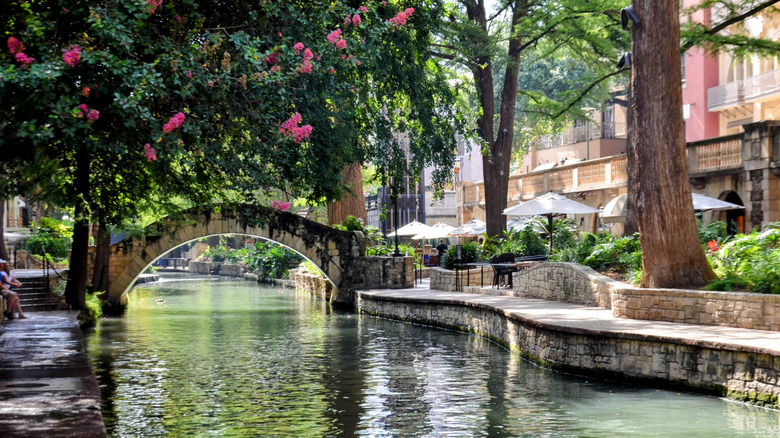
San Antonio is especially approachable for a short visit because many of its major attractions sit relatively close to one another. While some might consider San Antonio's River Walk a "tourist trap," it's undoubtedly a central landmark, offering easy access to downtown and allowing visitors to easily stroll past restaurants, public art, and boat tours.
Beyond the riverfront, history enthusiasts can explore the San Antonio Missions, a UNESCO World Heritage site that reflects the city's Spanish colonial history and cultural influences. Those on a time crunch may want to focus specifically on Mission Valero, better known as The Alamo, while those with more flexibility can follow the mission trail to see all five sites. The city is also home to the Witte Museum, which claims to be "where nature, science & culture meet." Its exhibitions cover subjects like Texas history, natural history, dinosaurs, wildlife, and regional heritage.
Food is another major draw. In 2017, San Antonio became a UNESCO Creative City of Gastronomy in recognition of its creative culinary scene. It's also known as The Culinary Capital of Texas, according to Visit San Antonio. The city's dining traditions were shaped by many cultural influences, including Indigenous, Spanish, Mexican, African, German, and other culinary heritages. The Michelin Guide has handed its coveted stars to Isidore, which celebrates Texan ingredients, Mixtli, which specializes in Mexican fare, and Nicosi, a small dessert bar with a coursed menu. However, those barely scratch the surface of San Antonio's many recommended eats — foodies looking for a guided experience should consider booking a food tour through providers like San Antonio Food Tours or Secret Food Tours.