
Taking A Trip To Disney World Was So Much Cheaper In The '70s
We may receive a commission on purchases made from links.
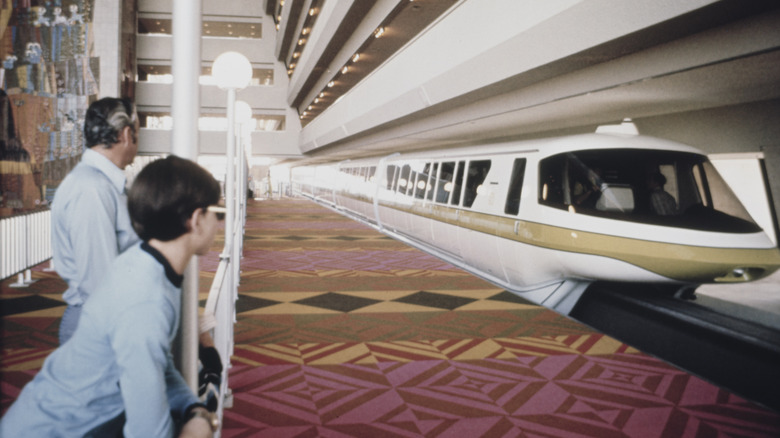
It's no secret that it can cost a small fortune to visit Walt Disney World these days. Since Orlando's Magic Kingdom first opened its gates in 1971, the park has drawn millions of visitors and continued adding new attractions and new parks, capturing generations with quintessential storytelling magic. For many fans, the Mouse reigns supreme, but for others, Disney parks' rising costs have become prohibitive. As economic inflation continues its upward trajectory, many travelers have been forced to reevaluate travel plans. On Reddit, some have said they don't even mind high costs; they just want to feel like it's worth it. As one user noted, "you have to plan a WDW like a heist to have fun there."
In 2024, TIME Magazine reported that although prices have steadily increased over the years, they'd doubled since 2011, with tickets long outpacing inflation. The New York Times also evaluated rising park costs in 2024, calculating that one day in an Orlando park plus a one-night stay at the Port Orleans Riverside Resort for two adults cost nearly $900, contrasting the same trip for less than $575 in 2017. As of 2026, a single park, single-entry adult ticket to WDW starts at $119 per day.
It wasn't always like this. When Magic Kingdom opened, a single-entry ticket cost just $3.50 for adults and $1 for kids, according to MarketWatch. Adjusted for inflation, an adult ticket to Disney World would cost $28.78 today. However, rides and attractions — 26 of them at the time, including the Haunted Mansion, the Swiss Family Robinson Treehouse, and the Jungle Cruise — cost extra, priced in tiers. Visitors purchased rides à la carte or ticket books, which cost up to $5.75, for use throughout the park. (Ironically, vintage ticket books retail on eBay today for up to hundreds of dollars).
Costs were low but à la carte
As MarketWatch notes, Disney was intentional about keeping costs low to ensure they'd attract tourists to Florida, which wasn't yet the vacation destination it is today. Park directors needn't have worried, though. Ten million visitors passed through Magic Kingdom's gates within its first 10 months, and 20 million in its first two years. In fact, it soon outpaced Cypress Gardens, Florida's first theme park (which eventually went bust).
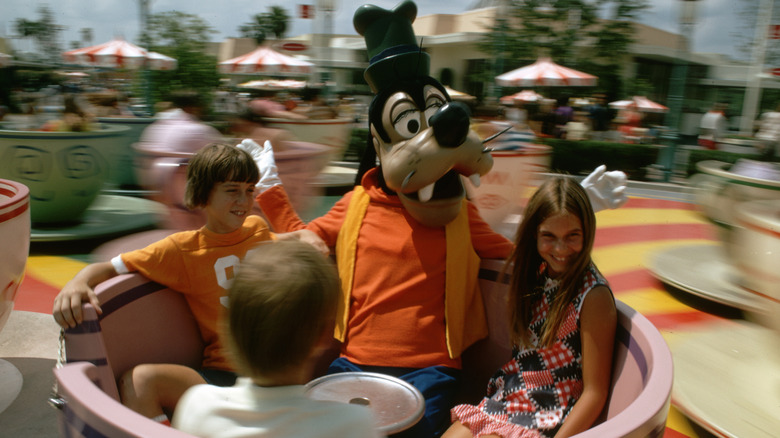
Fan blog World of Walt reports that 1971 à la carte prices ranged from $1 for 60 arrows at the archery range to $5 per hour for horseback riding, and $1 per person for jet ski rentals. A round of Disney golf was roughly $20, including club and cart rentals. Ten cents would buy a ride on Cinderella's Golden Carrousel, and 50 cents would get you on the Mad Tea Party. The priciest add-ons were rides like It's a Small World, Haunted Mansion, and the now-defunct 20,000 Leagues Under the Sea: Submarine Voyage, which each cost 80 cents per person.
In 1971, lodging at the original Disney park hotels — Disney's Contemporary Resort Hotel or Disney's Polynesian Resort — reportedly cost between $28 and $44 per night. Meanwhile, in 2026, nightly rates for these two stays start at about $626. Daily parking was 50 cents per day in 1971; today, it's $35. A Monte Cristo sandwich at the Town Square Café cost $1.75, and an iced tea just 25 cents. The café has since rebranded as Tony's Town Square Restaurant, where sandwiches are no longer on the menu, and a $26 pasta is the cheapest entrée. Disney even used to provide pet sitting at 50 cents per day or just $1 for overnights, including the pet's food.
Can the average American family still afford Disney?
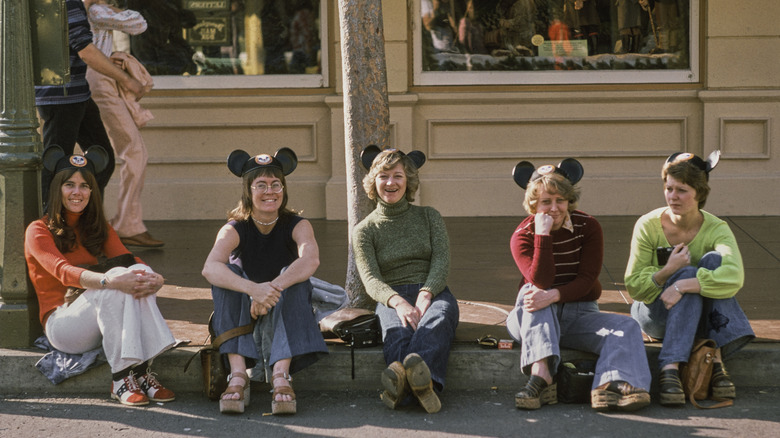
In the decades since Magic Kingdom opened, Disney parks have embraced a bundle ticket model, convenient considering Orlando's Disney World now includes Magic Kingdom, Animal Kingdom, Hollywood Studios, and EPCOT. Though expensive, some find the modern packages seem less nickel-and-dime-y than paying for every attraction à la carte. However, fans have pointed out it can still feel that way when paying for perks and add-ons such as parking, skip-the-line Lightning Lane passes, meals, and merchandise. And these are just a few of the hidden costs people often forget to factor into a Disney World trip. Additionally, where are you staying? How are you getting there? Did you download the app(s) yet? Did you book transportation, since there are no longer complimentary airport shuttles? While the Disney community is rife with pros helping fellow fans strategize for the most affordable Disney World vacation possible, even with the most meticulously laid plans, nobody's paying the equivalent of what Disney cost in 1971.
In 2025, the New York Times published "Disney World and the Decline of America's Middle Class," noting that Disney was a more attainable vacation for the middle class when Disneyland first opened in 1955. Today, stories of how many modern working-class Americans struggle to afford Disney visits illustrate just how the economic landscape has changed. Add to that technological advancements for rides and the COVID-19 pandemic, which both contributed to increased prices.
That said, millions of fans under the magic of the Mouse will likely continue to find ways to experience it despite costs. Still, Disney may have to carefully balance its ambition with what fans are willing to pay if the company wants to ensure it can keep making magic — and money.