
North Carolina's Sprawling Bog Is A Scenic And Peaceful Birding Destination
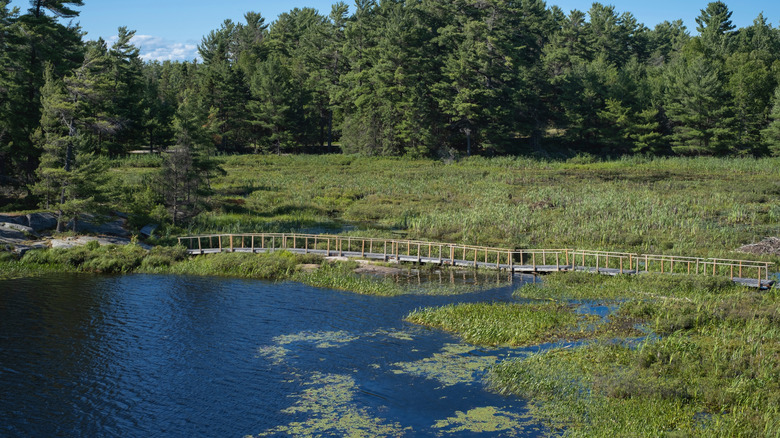
Thanks to its position in the humid subtropical region and at the epicenter of migration routes, North Carolina is a haven of birding sites, some of which are more unique than others. It's the case with the Tulula Bog, the last surviving swamp-forest complex in the western extremity of the state. Located in Graham County in the Great Smoky Mountains, this precious wetland area is an ideal place to spot both rare migrating species , as well as common dwellers such as colorful indigo buntings, wood ducks, and golden-winged warblers. The bog's untamed surroundings are not just ideal for "twitchers" — as bird-watching aficionados are often nicknamed — but also for those seeking a peaceful refuge away from metropolitan areas, or from busy national parks. Despite its relatively small size, Tulula Bog features a varied landscape spanning conifers, an open wetland basin, hardwood forests, and shrubs flanking the fertile, muddy banks. Adding to the serenity of the experience, visitors are encouraged to watch the scenery from the edge of the reserve.
The sprawling Tulula Bog measures 235 acres and is enclosed naturally by the Nantahala National Forest, itself enshrining a thriving ecosystem of trees, plants, and fauna from the southern Appalachians. Visitors should be prepared to encounter sludgy terrain, as the Tulula Bog is completely undeveloped and has no paved trails, roads, or facilities. The rustic conditions, though, make it ideal for those who favor a less polished wilderness experience and don't mind getting their boots muddy.
Tulula Bog is an excellent birding destination
North Carolina's location within the "Atlantic Flyway" of North America makes it a busy crossroads for birds both migrating and nesting year-round. The number of birdwatching and conservation sites makes it, arguably, one of the best birdwatching destinations the US has to offer. In fact, the Tar Heel State boasts more than 40 national parks and forest areas, over 300 sites along its dedicated Birding Trail, and a whopping 63 sites among wildlife refuges and sanctuaries. One of the latter is unique in its kind, as the home of the world's largest collection of rare and endangered waterfowl, located close to the south-eastern Virginia border. On the opposite side, Tulula Bog is located deep in the southern Appalachians, sandwiched between the communities of Robbinsville and Tulula.
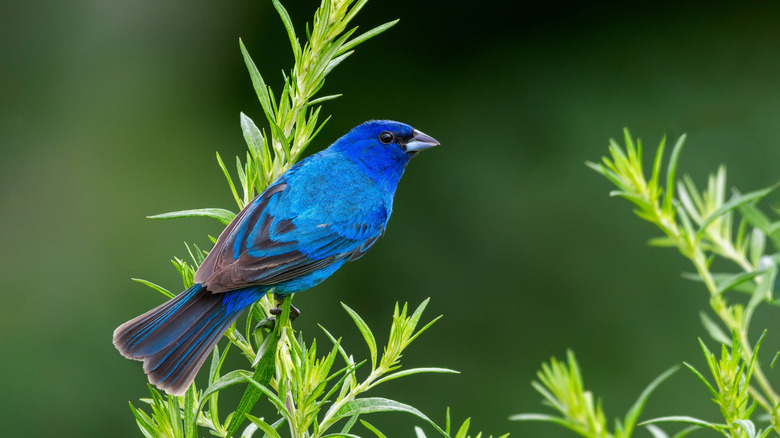
Spotters have high chances to see song sparrows and indigo buntings, which are the most populous bird species in the Tulula Bog; both species forage for worms, insects, and berries that can be found in wetland areas, such as the one created on this site by the flowing Tululah Creek. If you hang around the roadside, watch out for warblers — from the yellow-throated warbler to the Kentucky and golden-winged warblers, which are especially present during summer. Ecological reports record as many as 83 confirmed bird species, including 22 migrating further south in the tropics during summer, and as many as 19 breeding on site. According to birdwatching platform eBird, other typically spotted species include swamp sparrows, blue herons, wood ducks, and Northern flickers.
The best times to visit Tulula Bog to enjoy the variety of warblers, waders, and several other species, are during migration season — March to May, and September statewide — and during summer months.
Enjoy scenic surroundings and peaceful atmosphere at Tulula Bog
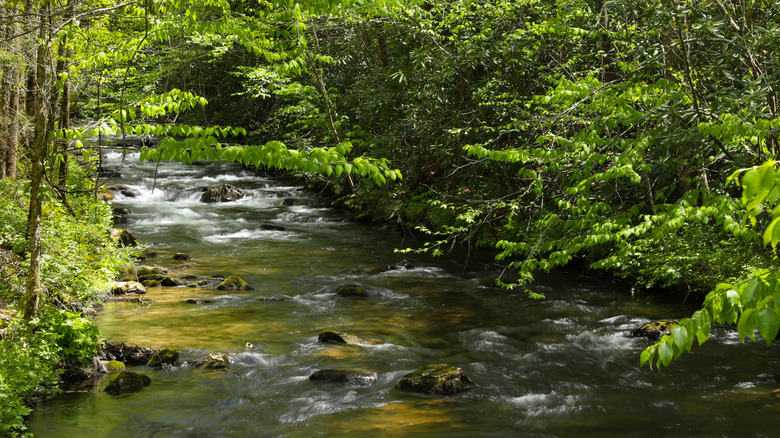
Tulula Bog is attractive to a variety of travelers, as many North Carolina destinations combine nature and leisure. Take the historic park that has trails, paddling, and birdwatching all under one roof, and is located on the Atlantic Oceanfront of North Carolina, in Fort Macon. Similarly, Tulula Bog's unpolished terroir provides the conditions to enjoy scenic surroundings. Visitors can observe the wetland's natural wonders from the edge of the reserve, with a vista opening on the forested slopes, water-fed shrubbery, and. It is important to note that visitors can only walk along the existing paths in order to protect ongoing conservation research.
The bog's peaceful atmosphere and biodiversity go beyond Tulula's wetlands. The surrounding Nantahala National Forest is not only the largest of the state's four national forests, but also represents a vital link to the flora and fauna that Tulula Bog fosters. Nantahala Forest has 600 miles of trails, as well as opportunities for camping, mountain biking, and river rafting. From there, you can easily reach the nearby Tulula Creek, about 2,600 feet above sea level, which is a good spot for fishing.
For those who want to stay overnight, the area between Robbinsville and Nantahala, where the wetland is located, has plenty of lodging options. Travelers can park their RV at Hidden Waters RV Park, pitch their tent at Brookside Campground and Rafting, or rent a cabin in Dragon's Rest Cabins and Lodgings. All three sites are located on or adjacent to US Route 129 — the main access point to reach Tulula Bog.