
Between San Jose And Paso Robles Is A California Coastal Preserve With Trails, Birdwatching, And Paddling
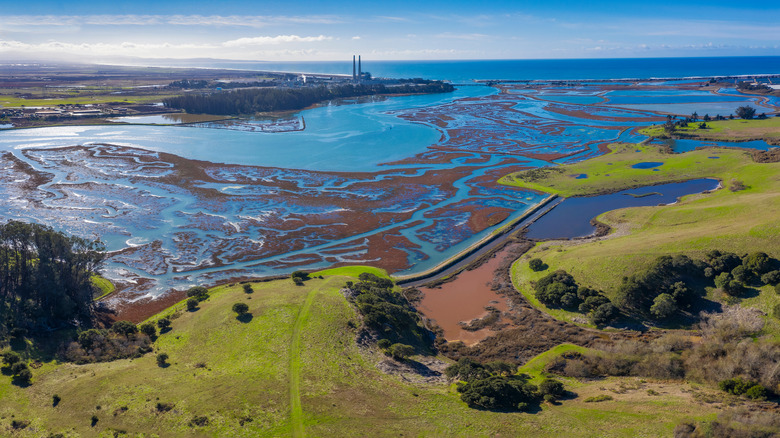
Travelers making the drive along California's famed Highway 1 will find one of the state's most overlooked natural treasures tucked along the edge of Monterey Bay. Just 7 miles from the waterfront village of Moss Landing, Elkhorn Slough National Estuarine Research Reserve is one of the largest remaining tidal wetlands in California. By car, it's about two hours north of Paso Robles and just over an hour south of San Jose.
This sprawling 1,739-acre estuary offers winding waterways, salt marshes, and oak forests, creating a haven for wildlife and outdoor recreation. Visitors come to hike the scenic preserve trails, spot hundreds of bird species, and paddle through calm channels alongside sea otters and harbor seals. The scenery here is remarkably different from Big Sur, a section of California's coast that rivals Italy's Cinque Terre, located around 50 miles south.
Visitors can enjoy 5 miles of trails at Elkhorn Slough. The trails begin at the visitor center and are open between 9 a.m. and 5 p.m. from Wednesday to Sunday, taking hikers through grasslands, woodlands, marshes, and tidal flats. Along the way, hikers can stop at several overlooks that provide sweeping views across the estuary, where changing tides transform the landscape throughout the day. Interpretive signs explain the area's unique ecology. Wildlife sightings are common, both in the water and on the trails. The gentle terrain makes the preserve accessible to visitors of all ages and skill levels.
Paddle among sea otters at Elkhorn Slough
While the trails provide excellent views of the 7-mile estuary, the most immersive way to experience Elkhorn Slough is on the water. Kayaking is possibly the reserve's most popular activity, allowing visitors to quietly navigate the calm tidal channels that extend inland from Monterey Bay.
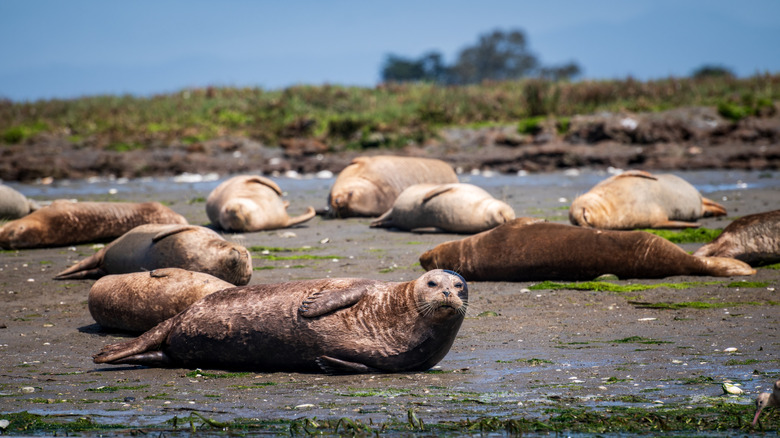
Elkhorn Slough's sheltered waters are beginner-friendly for those new to kayaking and ideal for marine wildlife sightings. Sea otters are perhaps the biggest draw, often spotted floating on their backs, grooming, foraging in the slough, and nurturing their pups, making it one of the best places to see baby sea otters in the spring. Harbor seals, sea lions, and an array of waterbirds also inhabit the wetlands, creating a wildlife-viewing experience that feels more like a safari tour than a typical kayaking trip. And speaking of which, Elkhorn Slough Safari is an established local company that offers guided cruises for those who wish to explore the estuary by pontoon boat.
Paddlers in need of gear can head to one of several outfitters in nearby Moss Landing, including Monterey Bay Kayaks and Kayak Connection. Both companies provide guided tours for various age groups. Paddling offers a unique perspective of this estuarine ecosystem, revealing pockets that are inaccessible on foot. For those who prefer to focus on wildlife viewing and photography, Kayak Connection offers guide-paddled tours that allow visitors to sit back and observe without picking up a paddle.
Elkhorn Slough is a birdwatcher's paradise
Elkhorn Slough has earned a reputation as one of California's top birdwatching destinations. The estuary supports more than 340 resident and migratory bird species, making it a year-round hotspot for birders ranging from casual observers to dedicated twitchers. Bird enthusiasts can join free guided walking tours on the first Saturday morning of each month that begin at the reserve's visitor center.
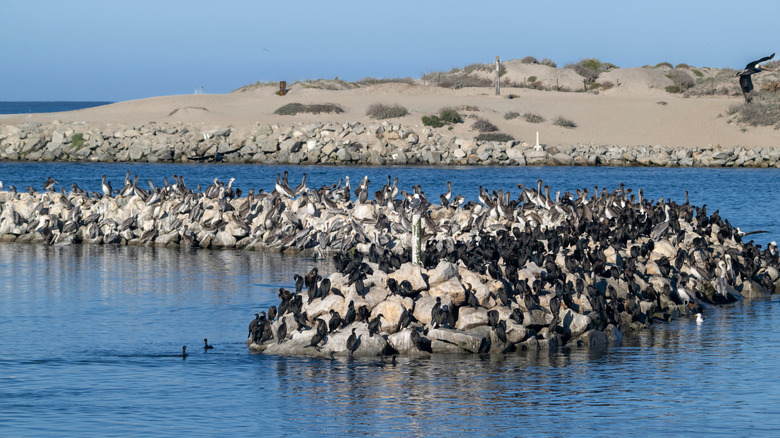
Elkhorn Slough's biodiversity provides habitats for an impressive variety of bird species. Depending on the season, visitors may spot great egrets stalking the shallows, brown pelicans gliding overhead, double-crested cormorants drying their wings along the water's edge, and shorebirds probing mudflats exposed by the tide. At least six species of threatened or endangered birds can be found in the reserve, including the California least tern. Raptors also frequent the area, using the open grasslands as hunting grounds. The reserve is a key nesting area, and hikers are asked to stay on designated trails and avoid collecting any natural materials.
Elkhorn Slough is part of the Pacific Flyway, a migration corridor used by millions of birds along the Pacific Ocean that extends north to Alaska and south to Patagonia. Tens of thousands of birds pass through Elkhorn Slough throughout the year and can be observed in any season, but migration periods can be especially rewarding. Early mornings often bring the best sightings, when the marsh comes alive with calls and movement before the afternoon winds arrive. Most importantly, because the reserve encompasses so many different habitats within a relatively compact area, birders can observe a remarkable diversity of species without having to cover long distances.