
Japan's Old-School Coastal Fishing Town Is An Asian Escape Pulled Right Out Of A Studio Ghibli Movie
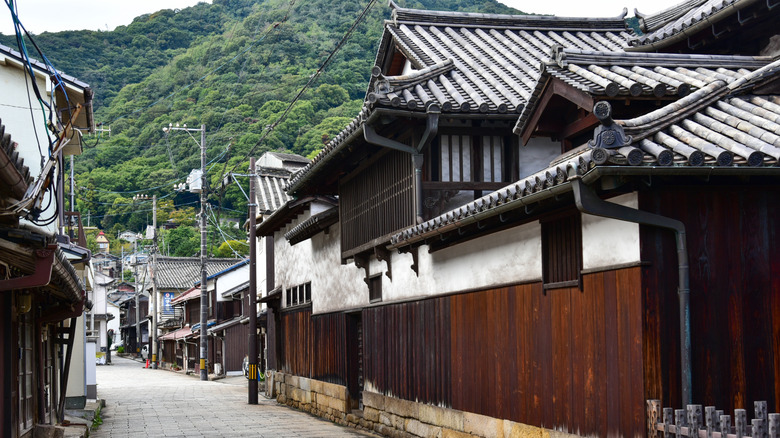
The Land of the Rising Sun is one of great duality. Japan is a country that embraces both the future at an astounding pace, while reverently tending to its roots and respecting its past. You can see this dichotomy in the futuristic expanse of Tokyo's megalopolis, and in Tomonoura, a fishing town set in a cozy harbor of the Seto Inland Sea.
Its endearing, tiny streets still echo the past, carrying a history dating back to the 8th century. With humble beginnings as a fishing port, the location was perfect for ships to dock in its waters and wait for more favorable tides. Commerce flourished, trades flocked in to supply the industry, and temples were erected in the surrounding hills. In time, the town also became known for its unique liqueur called "homeishu", consisting of a blend of herbs with a reputation for boosting longevity.
Tomonoura is a quick 30-minute drive from the neighboring city of Fukuyama, and buses are also available from Fukuyama Station. With a population of only around 3,350 people, visiting Tomonoura is a magical experience of stepping into the past without the overwhelming crowds of tourists common at major historic Japanese destinations. With the town's nostalgic charm, and having preserved an impressive amount of architecture from the Edo Period, it's no wonder that it inspired Hayao Miyazaki's heartfelt Studio Ghibli masterpiece, "Ponyo."
Tomonoura: A port waiting for the tide
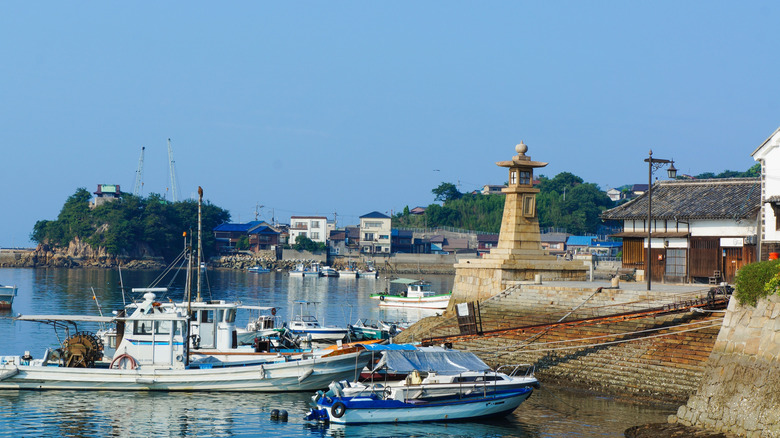
The beauty of Tomonoura is poetically guarded by nature from the encroachment of industrialization. It sits within Setonaikai National Park, which covers thousands of islands and coastal towns. The Japanese take great care of this span of inland sea as it contains both ecological and UNESCO-designated historical treasures, including Miyajima, a mystical island with roaming deer and a floating shrine.
The tides and the winds played a defining role in Tomonoura's history, as the town conveniently sits on a peninsula where currents from the Seto Inland Sea meet. Travelers from far and wide would cast anchor, bringing goods with them, and wait for the tides to change in their favor, giving it the reputation of the "port of waiting tides." A notable landmark not to be missed at the southern tip of the town center is the traditional 36-foot stone Joyato Lighthouse, the symbol of Tomonoura, and the largest of its kind still found in a port.
This is a pedestrian town, and its temples, shrines, and small shops are within walking distance. The town center is rife with shops, restaurants, and sake makers, notably the Ota Family Residence. The birthplace of homeishu sake, this historical landmark and its nine wooden buildings represent the heart of old Tomonoura. Open from 10 a.m. to 5 p.m. for a fee of 500 yen (roughly $3), you can step through time to experience a beautifully preserved 18th-century design, traditional tatami-mat rooms, storehouses, and of course, sample its signature elixir of life, which is brewed to this day.
Temples and Studio Ghibli magic in Tomonoura
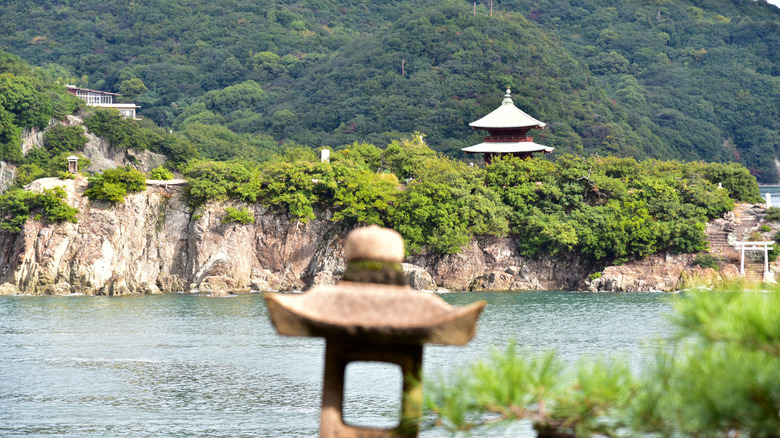
After the iconic lighthouse and the Ota Family Residence brewhouse, you can stop by for a traditional Tomonoura meal at the nearby Otebi, a restaurant serving local fish and noodle staples. Having satiated your appetite, you may be craving to capture Tomonoura's beauty. Dating back to the late 17th century, the Fukuzenji Temple's veranda offers breathtaking views of the town and its bay. Korean envoy Yi Bang-eun, visiting in the 18th century, reportedly called it "the most beautiful view in the east of Japan". And if you're seeking culture and spirituality, it's worthwhile to pay respects to the deities of the sea at the Nunakuma Shrine in the town hills, which dates back to at least the late 3rd century.
It's important to stay mindful of the unwritten rules prevalent in Japanese society, especially at religious sites. The tranquility of this town is exactly what prompted famed director Hayao Miyazaki to stay here for two months during a visit. The visionary co-founder of Studio Ghibli found inspiration here for the scenic template of the seaside town in Ponyo. The elderly women in local markets, narrow streets with stone walls, and the town's red-tiled rooftops are the real-life renditions that brought so much charm to the beloved animated film.
If you're planning on staying a few nights, lodging in a traditional family-run "minshuku" bed and breakfast is the way to go. Tomonoura certainly deserves a few days to meander through. And if you're heading westward, Hiroshima, one of Japan's five most gorgeous cities, is but an hour and a half away by bullet train.