
Japan's Underrated City Is A Scenic Asian Escape With Hot Springs, History, And Excellent Eats
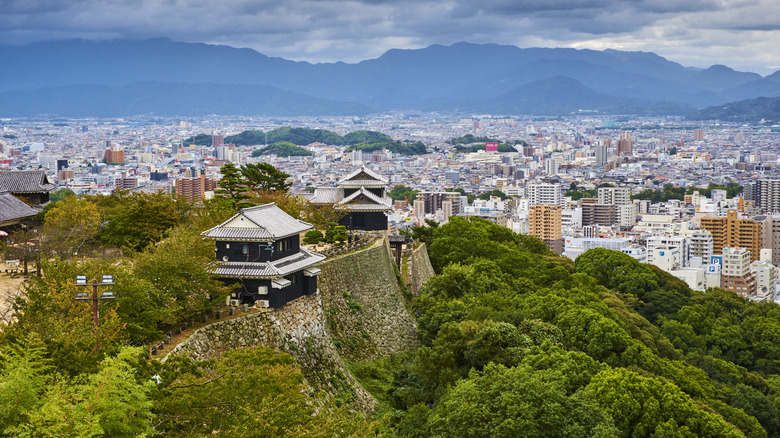
It might seem like everyone you know is going to Japan these days, but take a closer look, and you'll realize almost all of those itineraries are pretty similar. Japan's well-known "Golden Route" between Tokyo and Osaka is increasingly contending with overtourism as overseas visitors inundate the same few destinations. Yet there is no shortage of appealing Japanese cities that deserve more attention. Case in point: the little-known but worthwhile city of Matsuyama.
Matsuyama is the largest city on Shikoku, the smallest and least-visited of Japan's four main islands, and its out-of-the-way location has kept it largely off the international tourist radar. But that's not for lack of appeal. Matsuyama has a rich history, unique local cuisine, scenic hilly topography, and an appealing small-town feel despite offering the amenities one might expect from the world's best country for solo travel. This is not a city of towering skyscrapers, but it hits a sweet spot between urban convenience and small-town calm. If you're looking for a more laid-back, lived-in Japan experience than the standard itinerary can provide, Matsuyama may be exactly what you're after.
Getting to Matsuyama most typically requires a short flight from one of Japan's major cities, though visitors already visiting Hiroshima — a much more popular tourist city just across the Seto Inland Sea — may want to consider taking a ferry. Reaching Matsuyama takes a bit more planning than hopping on the Shinkansen from Tokyo to Kyoto, but that extra effort has helped the city preserve its friendly, workaday vibe. Flights from Tokyo are both quick and relatively affordable, and once you're there, Matsuyama's streetcar system makes getting around easy. Here's why that fairly modest trek is usually worth it.
Hot springs and castles draw visitors to Matsuyama
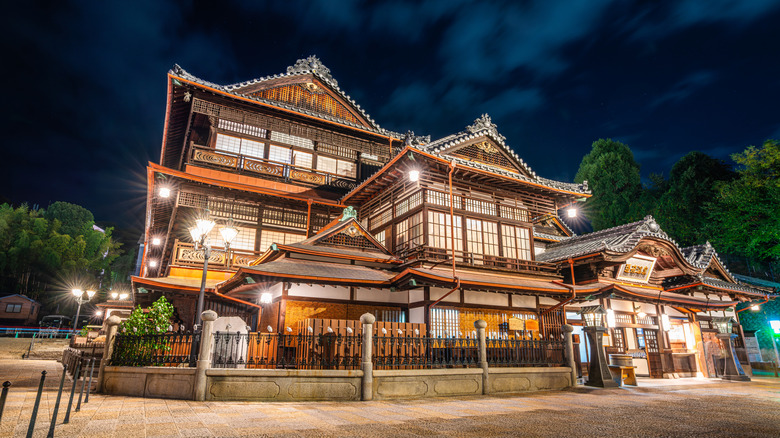
Though foreign tourists have yet to discover Matsuyama en masse, domestic tourists have long been aware of its charms. Dogo Onsen, a hot spring within Matsuyama's city limits, is regarded as Japan's oldest, and it's attracted visitors for roughly 3,000 years. With so much history and a striking bathhouse said to have inspired the one depicted in the animated film "Spirited Away," it alone is reason enough to visit Matsuyama if soaking in an onsen is high on your Japan bucket list. It's also an accessible experience: Unlike many famous hot spring destinations, Dong Onsen's main bathhouse isn't associated with an expensive ryokan, so anyone can enjoy it for a relatively modest fee.
Matsuyama is also home to one of Japan's original castles. After Japan's feudal era came to a close in the late 19th century, many castles were demolished or later lost to war and natural disasters. While some have since been reconstructed as tourist attractions, only 12 of the original castles have survived into the present day. One of those is Matsuyama Castle, which dates back to 1602 and remains one of the most impressive and complete original castles in Japan. Few destinations are better suited to travelers interested in traditional architecture or samurai history.
Matsuyama is also a renowned literary city. It's famous among fans of Japanese literature for its associations with Masaoka Shiki, known as the father of modern haiku, and with Natsume Soseki's classic novel "Botchan," placing it among the best cities to visit for book lovers in Japan. When it comes to cultural influence, the city punches well above its weight.
Local cuisine is another Matsuyama highlight
Regional specialties are a point of pride across Japan, where nearly every town is known for at least one distinctive local food or craft. These local specialties are called meibutsu, and sampling them is essential to understanding Japanese food culture. This is certainly the case in Matsuyama, which is not only Japan's citrus capital but a hugely underrated culinary destination.
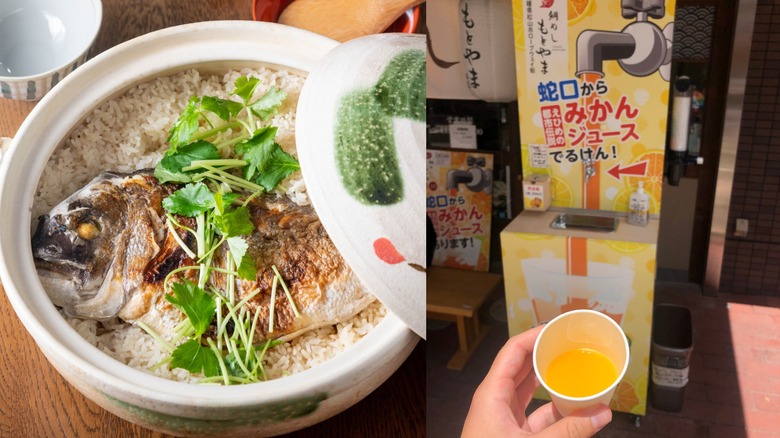
Take the case of taimeshi, a dish of steamed sea bream over rice. This flavorful fish can be hard to come by or expensive in other parts of Japan, so Japanese foodies know Matsuyama as a stellar place to come for sea bream so delicious that it's become one of the city's claims to fame among domestic tourists. Frequently eaten as a celebratory meal, it's one of the region's must-try foods. Sample it at Taiya, a traditional restaurant on the water that serves nothing else but taimeshi, or at Gansui Honten, where you can try a rare regional variant of the dish that uses raw, sashimi-style sea bream.
Visitors to Matsuyama will also see citrus everywhere, from vending machines that dispense mikan (tangerine) juice to displays of every citrus product imaginable at souvenir shops and train stations. Ehime Prefecture, the administrative division in which Matsuyama is located, grows over 40 types of citrus and proudly embraces that identity. On a stroll through the Okaido or Dogo shopping streets, keep an eye out for specialty shops selling local food products as souvenirs to see oranges used in ways you never could have imagined. Just be aware that Japan's seasons define the tourist experience in many ways, and that includes food: citrus variety will be greatest during the peak winter growing season.