
4 Mexican Restaurant Rules American Tourists Break Within The First 10 Minutes
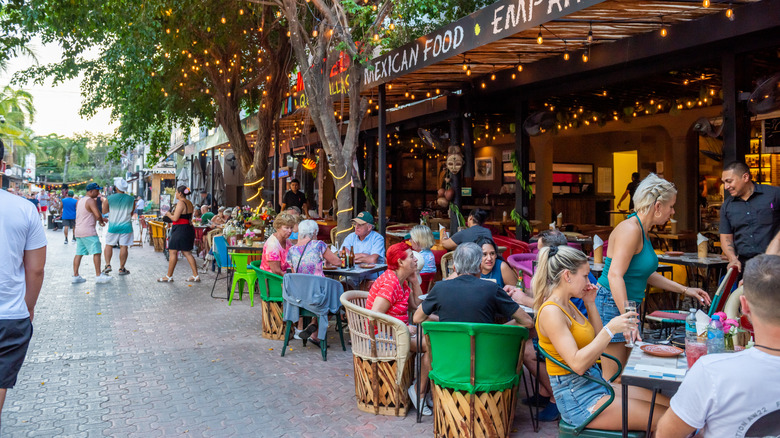
One of the greatest joys about traveling in Mexico is experiencing the cuisine. Whether it's fresh shrimp ceviche in Mazatlán, mole coloradito in Oaxaca, or tacos al pastor on the kinetic streets of Mexico City, the United States' southern neighbor serves up food that is full of spice, flavor, passion, and fascinating regional takes. Diving into a locally prepared dish in Mexico — often washed down with an ice-cold beer or a slushy margarita — is a happy embrace of culture and surroundings. That said, there are certain unwritten rules to dining in Mexico, ones which some American visitors far too often break within minutes of walking into a restaurant.
Mexico often seems like a laid-back place where you go to abandon the cares and stresses of everyday life, but a certain sense of propriety percolates beneath this relaxed atmosphere. Mexicans tend to value good manners and etiquette highly, so it pays to remember this come mealtime. After all, nobody wants to be the kind of tourist that causes the locals to grit their teeth, roll their eyes, and mutter under their breath due to ignorant behavior, especially when it comes time to break bread, or in this case, tortillas.
Luckily, it's not too hard to make a good impression when dining south of the border, especially if you do your best to follow these five guidelines.
Greeting is key
When entering any eatery in Mexico, it is essential to greet the people preparing and serving your meal. A simple "hola" with eye contact will usually do — though a smile also goes a very long way — and depending on the time of day, "buenos dias," "buenos tardes," or "buenas noches" will come across as both warm and polite.
"Mexicans are more polite to strangers than people in other countries, so even walking into a store, or small restaurant, it is common to greet everyone," wrote one commenter on a discussion on being polite in Mexico City on Reddit. "Before asking someone a question, always greet them. And smile. [...] First impressions are important, and that will set the tone for your interaction."
This doesn't just go for the staff. In Mexico, it's also good form to greet some of the other diners. You don't have to do this with the whole restaurant, but saying "buen provecho" (the Spanish equivalent of bon appétit) or just "provecho" to neighboring tables as you arrive or leave can be considered a warm and friendly gesture. Also, make sure to always use please ("por favor") and thank you ("gracias") when addressing your server or anyone else working at the restaurant.
Take your time in a Mexican restaurant
Meals in Mexico are not just an opportunity to get down with delicious local fare. They are seen as a proper occasion where people can relax and connect with friends and family. This means not rushing things. More importantly, if you've been invited out with a Mexican, never begin eating until your host says "Buen provecho!" To jump the gun can be a major breach of dining etiquette.
After that, savor the food, but take time to listen and participate in the conversation. Mexicans like to eat at a leisurely pace, and eating too quickly may make a bad impression. "Sit back and enjoy it [the meal]," wrote Argentina-based journalist Karina Martinez-Carter in an article on international dining etiquette in The Week, "because anything else sends a message that you're not appreciative."
Eating slowly at the table is not just a good idea in Mexico. This etiquette applies to many countries, including France, where you can also dine like a local by following these unspoken rules.
Check your volume at the door

Mexico can be a very noisy country, with a symphony of car horns, motorbikes, roosters in the background, along with music blaring at all times of the day. Mexican people, however, are generally not very loud when they talk, especially compared to the average American, who, for better or worse, has a reputation for having an overly booming voice. This can make Americans seem rude abroad, especially in restaurants, where one boisterous conversation by a table of Americans can absolutely dominate the whole space.
"Americans tend to speak a lot louder than people in some other countries, so maybe just be a bit more aware of your volume in comparison to other people around you," wrote one commenter on Reddit's MexicoCity subreddit.
Just be aware of your volume when dining in Mexico, especially after that second or third beer, when loudness tends to increase, and self-awareness does the opposite. But if you do get a bit carried away, don't beat yourself up, as even European travel guru Rick Steves has admitted to being shushed on more than one occasion while abroad.
Go easy on the salsa
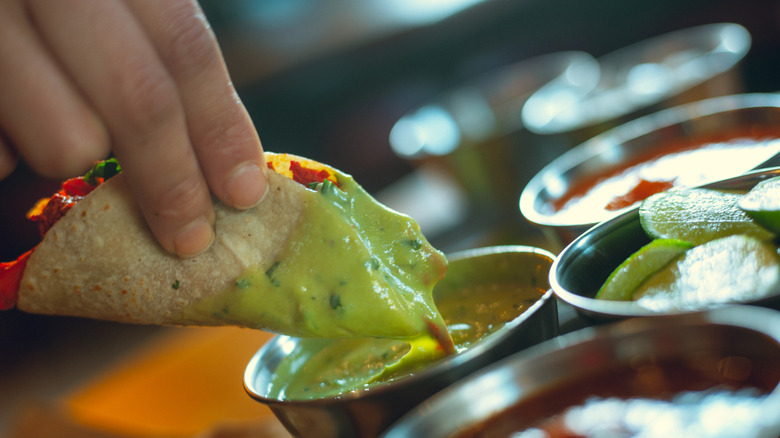
Mexican salsa (which just means "sauce" in Spanish) is one of the world's great condiments and a hallmark of the nation's cuisine. Whether it's salsa roja (red), salsa verde (green), salsa fresca (fresh), or avocado salsa, there are dozens of varieties to choose from, which vary in flavor and — most importantly — spiciness level. This means that it is essential to test the salsa before applying a full blast to your tacos or any other Mexican dish.
"I often see my foreign friends add a spoonful of salsa to their tacos before even tasting it to ascertain its spice level. The result is that they practically burn their mouth off," wrote Mexico local Jennifer Fernández Solano in an article for Business Insider. Many restaurants provide complimentary bowls of salsa at the table, but it's best to exercise caution until you know what you're dealing with. "Use a spoon to scoop a minuscule amount and add drops of it to your taco before tasting it," Solano continued. "This way, you can adjust the amount of salsa and land at just the right level of spiciness for you."
Also, don't abuse the privilege of self-serve salsa at taquerias or taco carts. Food writer Javier Cabral made this observation in L.A. Taco: "I've seen people fill entire plastic bags full of salsa containers to the brim with salsa; especially the coveted taquería guacamole," he wrote. "A taco stand's salsa bar is not a buffet." For more tips on traveling in this beautiful country, check out our list of the safest destinations in Mexico for a stress-free vacation.