
Between Salt Lake City And Provo Is Utah's Fast-Growing City With A Walkable Downtown And Outdoor Adventure
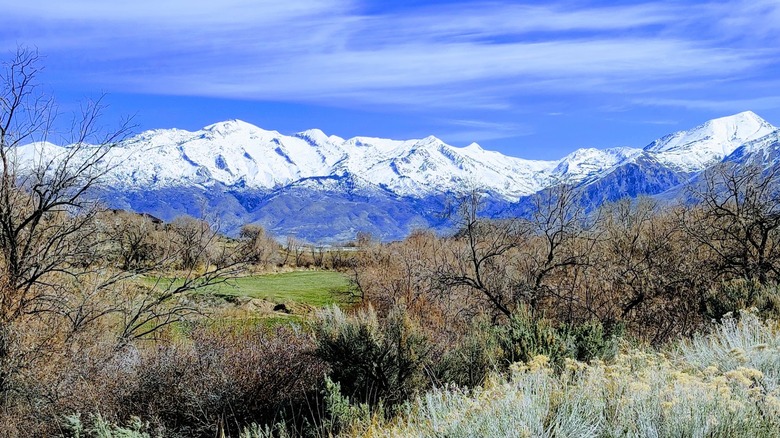
According to U-Haul's 2025 growth index, nature lovers have been moving to Utah in droves (via KUTV). They probably relocate to the Beehive State for all the gorgeous mountain views and endless outdoor recreation. Folks have definitely been flocking to American Fork. This should come as no surprise, considering the northern Utah community is a gateway to all kinds of wilderness adventures — not to mention, it has a pretty great quality of living, per the city's website.
American Fork ranked pretty high on World Population Review's 2026 list of the fastest-growing cities in the entire country, coming in at No. 88 out of 616. According to the report, the city's 2026 population came in just shy of 43,000, up from about 33,600 in 2020. Situated in between Salt Lake City and Provo, the town was founded by a group of Mormon pioneers back in the mid-1800s. The settlement, which was established along the northern bank of Utah Lake, was named after the American Fork River that winds through the area.
With little to no traffic, American Fork is only about a 35-minute drive from the Salt Lake City International Airport (SLC). Despite all the people moving in, the city's still a much quieter alternative to some of the state's popular ski resort towns. The community sits right at the base of the Wasatch Range, an absolute haven for backcountry skiing, and is full of small-town charm, with a walkable downtown district lined with historic buildings from the town's early days.
Tour the historic buildings and landmarks around American Fork
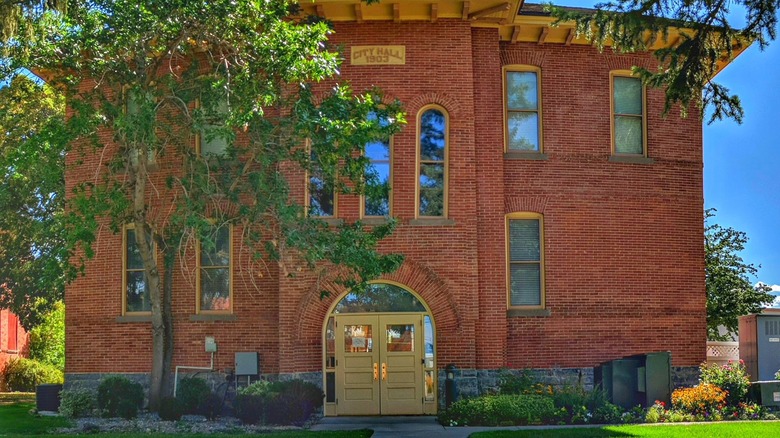
If you've already roamed your way through some of the best historic districts in America, you may want to add American Fork's downtown area to your list. Anchored around Main Street, the charming hub boasts several historic buildings and landmarks within easy reach. Some of them date back more than 150 years. Download or print out a map of the city's downtown, available online, and take a walking tour of the storied streets. The self-guided excursion generally takes about 45 minutes and only spans about six city blocks. The route starts out and ends at the William S. Robinson Park, situated at the corner of 100 East and Main Street.
There are several sights to see right around the park, including the Daughters of Utah Pioneers Museum, which one visitor called "a local gem" in a Google review. The museum features a decent collection of artifacts from the town's past, such as archival documents and old black and white photos of early residents. You can also explore three historic log cabins, the oldest of which was constructed in 1854. The stately red brick City Hall and Harrington School buildings are just around the corner on North Church Street. The former was built in 1903, while a portion of the latter was erected as far back as 1860.
If you want to do a little shopping as you stroll, there are several cute shops and boutiques scattered throughout the walkable downtown area, too. Snag some sweet treats at So Swede! and the Swedish Moose Candy Company, or peruse the refinished antiques at Renewed Vintage Market. All of them are just a short walk from Robinson Park.
Lake and mountain fun around American Fork
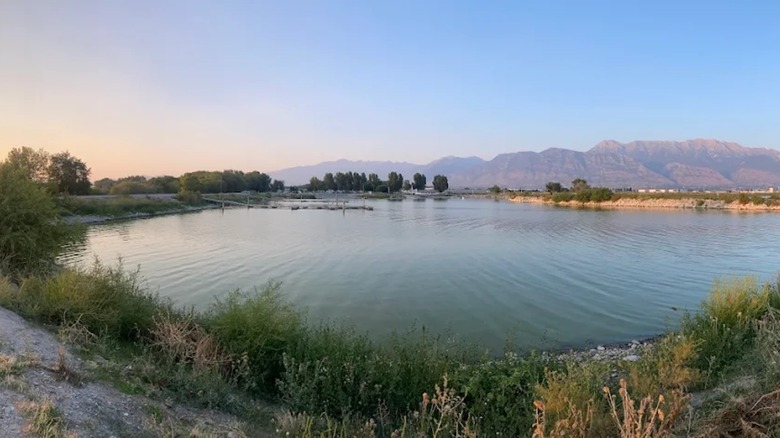
Aside from all the timeless treasures, American Fork teems with outdoor fun. Utah's recently re-opened American Fork Beach and Boat Harbor hugs the banks of the 24-mile-long Utah Lake on the south side of town. Sink your toes into the soft sands or the lapping currents of the sweeping freshwater lake — one of the largest of its kind west of the Mississippi River, according to the Utah Lake Authority. The lake is also a popular spot for boating, kayaking, stand-up paddleboarding, and other water fun.
You can find more tranquil lakes hidden amid Utah's Wasatch Mountains, which border American Fork to the east. The range is also home to several popular recreational sites, including the stunning American Fork Canyon. The rugged terrain is great for hiking, rock climbing, mountain biking, and even backcountry skiing. Do a bit of wildlife watching, with black bears, moose, coyotes, mountain goats, and mule deer all spotted in the area.
You can also take in views of the more than 11,000-foot Mount Timpanogos along the Alpine Loop Scenic Backway, a 20-mile paved road that weaves through the mountains. The route is usually open from the end of May to late October, depending on whether heavy snowfall occurs. During your trek through the mountains, check out the Timpanogos Cave National Monument, too. The 250-acre protected area sits on the northern slope of Mount Timpanogos and features incredible limestone caverns that you can also tour seasonally.