
Forget Thailand, Visit This Tropical Paradise With Coral Reefs, River Cruises, And Cool Wildlife
When it comes to beaches, water sports, and unique wildlife, it's hard to beat Thailand — at least, that's what more than 30 million annual visitors to the kingdom seem to suggest. But roughly 1,500 miles southeast of the Land of Smiles lies another tropical archipelago: the Philippines. Its more than 7,600 islands span diverse landscapes and climates, and one of its most distinctive is Bohol, the country's 10th largest island, with about 236 miles of coastline. Bohol, one of the Visayan region's 7 main islands in the central Philippines, is a premier tourist destination sometimes referred to as "God's Little Paradise." It's also home to the country's first UNESCO Global Geopark, recognized in 2023. The island boasts an array of natural attractions, from famously rolling hills that look like chocolate bonbons and white-sand beaches to pristine coral reefs, outstanding diving, and the endangered Philippine tarsier — a tiny primate with oversized eyes endemic to the region. Bohol is also known for its rich cultural traditions and local craftsmanship. With frequent ferry service from Cebu City, it's an easy destination for a day trip or a longer island escape.
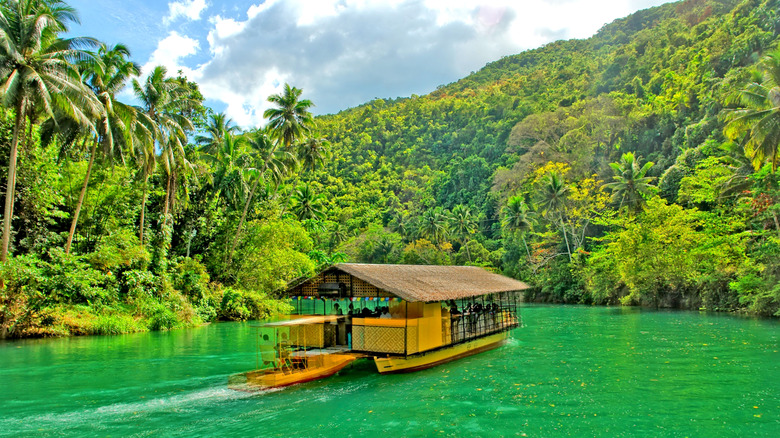
I visited Bohol several years ago while reuniting with Filipino friends who had lived with my family during an international student exchange. We traveled from Cebu City by fast ferry and took a whirlwind itinerary into a single: visiting tarsiers at a conservation sanctuary, strolling through historic Baclayon, and enjoying a buffet cruise along the Loboc River while watching performers reenact cultural dances and keeping an eye out for monkeys and red-keeled flowerpeckers. It was a memorable day filled with activities, but Bohol is best enjoyed at a slower pace. The island's beach resorts, dive operators, whale-watching tours, and even an organic bee farm make it an appealing destination for travelers seeking an island getaway with a little of everything.
Water is a way of life in Bohol
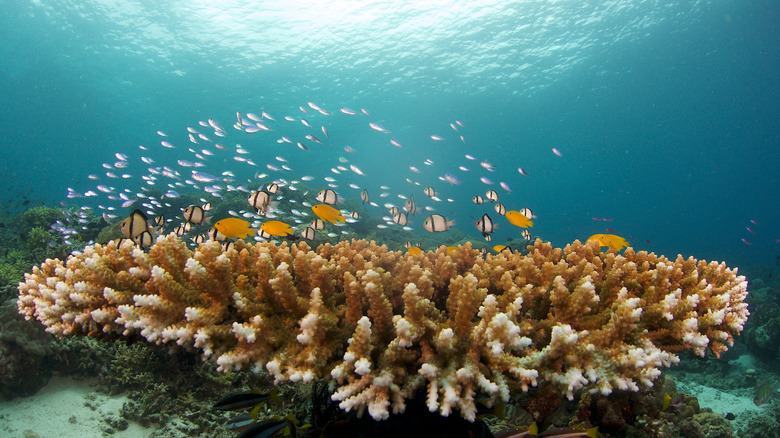
Bohol is widely considered one of the best places to dive in the Philippines — and perhaps all of Southeast Asia — thanks to its location within the Coral Triangle. Dive tourism centers on a three-island marine circuit that includes Panglao, Pamilacan, and Balicasag. Panglao, a tropical escape that's a less crowded alternative to Boracay, is accessible by car or boat, while Pamilacan and Balicasag require boat transfers. Crystal-clear waters and healthy coral reefs play host to a biodiverse array of marine life, from turtles and rays and seahorses to frogfish and nudibranchs. Lucky divers may even have the chance to see a rare whale shark. Among the most popular dive spots are Balicasag Island's marine sanctuary and thriving Black Forest coral reef; Pamilacan Island, home to a Spanish fort and protected marine sanctuary; Doljo Point, an underrated gem with dramatic drop-offs; the remote, less-touristed Cabilao Bamboo Reef, and the colorful Danao Wall.
Particularly along bustling Alona Beach, a number of dive resorts such as Magic Oceans Dive Resort and Cabilao Sanctuary feature on-site PADI centers, diving day-trip options and operators, and other scuba-oriented amenities. The Philippines' dry months — December through April — offer the best visibility and water conditions with moderate temperatures. Those who don't dive can opt for whale-watching boat tours or snorkeling excursions.
Beyond its diving destinations, tropical islets, and sandbars, Bohol features a network of inland rivers that sustain watershed forest ecosystems vital for flora and fauna. The Loboc River is a major artery and is popular for boat tours that cruise along it, offering lunch and cultural performances. The river is also home to eco-resorts like Water to Forest Eco-Lodge, which offers tours, cooking classes, and eco-friendly stand-up paddleboard tours.
Unique wildlife and distinctive landscapes abound in Bohol
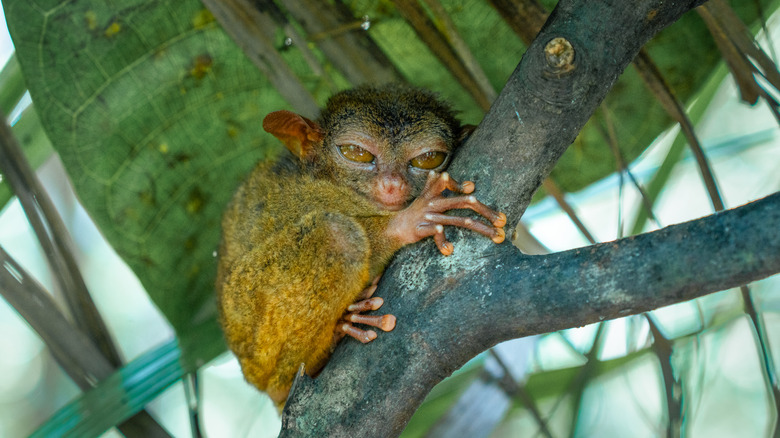
If you've ever dreamed about meeting Baby Yoda in person, seeing a tarsier might be the closest you'll ever get. These palm-sized endangered primates remain one of Bohol's biggest draws, but are difficult to spot in the wild. Although ethical concerns have been raised regarding mass tourism and viewing captive animals, the Philippine Tarsier Sanctuary in Corella is managed by the Philippine Tarsier Foundation, which works to conserve the delicate creatures and is considered one of the best places to observe them responsibly. Tarsiers are nocturnal, shy, tree-dwelling animals, and visitors should remain quiet and avoid disturbing them.
The Chocolate Hills are one of Bohol's most famous natural features, named not for cacao trees (as I'd presumed before my visit) but because their unusually rounded forms — they were once underwater limestone bluffs and coral reefs — turn rusty brown during the dry season, giving them the appearance of chocolate kisses. Climb to the Chocolate Hills Complex in Carmen for scenic vistas and dining (arrive early for fewer crowds). Visitors can also experience zip lines, high-ropes courses, and other attractions at the nearby Chocolate Hills Adventure Park, or stop by the Tchoupette Chocolate Hills Viewpoint, an off-the-beaten-path spot for views.
By ferry, Bohol is less than 50 miles east of Cebu City, the Philippines' oldest city and a luxurious resort hub with some of the country's best beaches. Cebu is the gateway to the Visayas and a must-visit destination of its own, making it an easy transit point for a day or weekend trip to Bohol. The most popular way to get there is to hop on an OceanJet ferry from Cebu to Tagbilaran, a journey that typically takes about two hours. Alternatively, direct flights connect Manila with Bohol-Panglao International Airport (TAG).